Get Great Migration Alerts
River-crossing timing shifts every year. Drop your email and we will send you the best-window alert for 2026/2027, plus a heads-up when prime dates start filling up.
Every year, over 1.5 million wildebeest, 400,000 zebras, and 200,000 gazelles make one of the most dramatic journeys on Earth — crossing crocodile-filled rivers, thundering across open plains, and following the rains in an endless circle of survival. This is the Great Migration in Kenya, and witnessing it from the Masai Mara is one of the most extraordinary experiences a traveller can have.
At PMK Tours, we're a Nairobi-based operator who runs Great Migration safaris every single year. This guide gives you the honest picture — when to go, what to expect, and how to plan your trip from people who drive these roads for a living.
What Is the Great Migration?
The Great Wildebeest Migration is the largest overland animal migration on the planet. It's a continuous, year-round loop between Kenya's Masai Mara and Tanzania's Serengeti — roughly 1,800 kilometres covered by over two million animals chasing fresh grass and rainfall.
The migration has no single start or end point. But the moment that draws visitors from across the world is the Mara River crossing — thousands of wildebeest hurling themselves into crocodile-laden waters in a scene of pure, terrifying chaos. This happens in Kenya, and it is something you will never forget.
Great Migration Kenya: Month-by-Month Calendar
The migration follows the rains. Here is exactly where to be and when:
Calving season in southern Serengeti. Not in Kenya, but excellent for a combined Kenya–Tanzania trip.
Long rains. Herds moving through Tanzania. Kenya parks are lush and uncrowded — great for budget travel.
Herds massing near the Kenya–Tanzania border. First crossings possible in late June. Strong game viewing already.
Wildebeest flood the Masai Mara. River crossings are frequent and dramatic. Book 6–12 months ahead.
Migration continues in Kenya. Crossings ongoing, slightly fewer crowds than August, prices slightly lower.
Short rains. Herds returning to Tanzania. Prices drop, parks very quiet. Resident wildlife remains strong.
Herds back in southern Serengeti. Kenya parks are beautiful, quiet, and at their lowest prices of the year.
Migration at a Glance
| Month | Location | Crossings? | Crowds |
|---|---|---|---|
| Jan–Feb | Southern Serengeti (Tanzania) | No | Low |
| Mar–May | Moving north through Tanzania | No | Very low |
| June | Northern Serengeti / Mara border | Possible | Medium |
| July – Aug | Masai Mara, Kenya | Yes — frequent | High |
| Sep – Oct | Masai Mara, Kenya | Yes — ongoing | Medium |
| November | Moving south | Rare | Low |
| December | Southern Serengeti (Tanzania) | No | Low |
The River Crossing: What to Expect
The Mara River crossing is what most people come for. Here's the honest picture:
It's not guaranteed. Crossings happen when the herds decide — driven by grass, instinct, and sometimes pure chaos. We've seen guests wait at the river for three hours and witness nothing. We've also seen guests arrive and watch a crossing begin within minutes. Your guide's knowledge of herd movements makes an enormous difference.
When they happen, nothing prepares you. The noise. The dust. The crocodiles surging through the water. Wildebeest plunging off three-metre banks. It is genuinely one of the most overwhelming things you will ever witness. Many of our guests call it the single most powerful wildlife moment of their lives.
Our senior guides monitor herd movements daily and know every active crossing point on the Mara River. This local knowledge dramatically increases your chances of being in the right place at the right time.
Want a Migration Safari Built Around These Dates?
Tell us when you're free and we'll match it to the best crossing window and camp availability — free itinerary in 24 hours.
Great Migration Safari Packages
We offer four main options for witnessing the Great Migration, from a focused 3-day Mara experience to a full Kenya–Tanzania circuit:
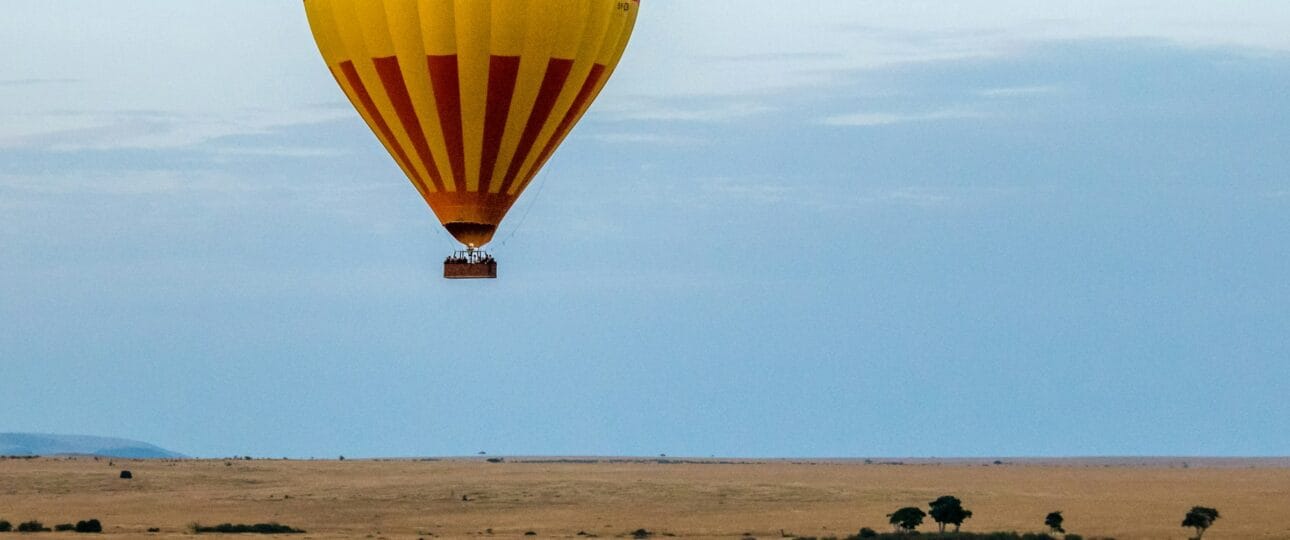
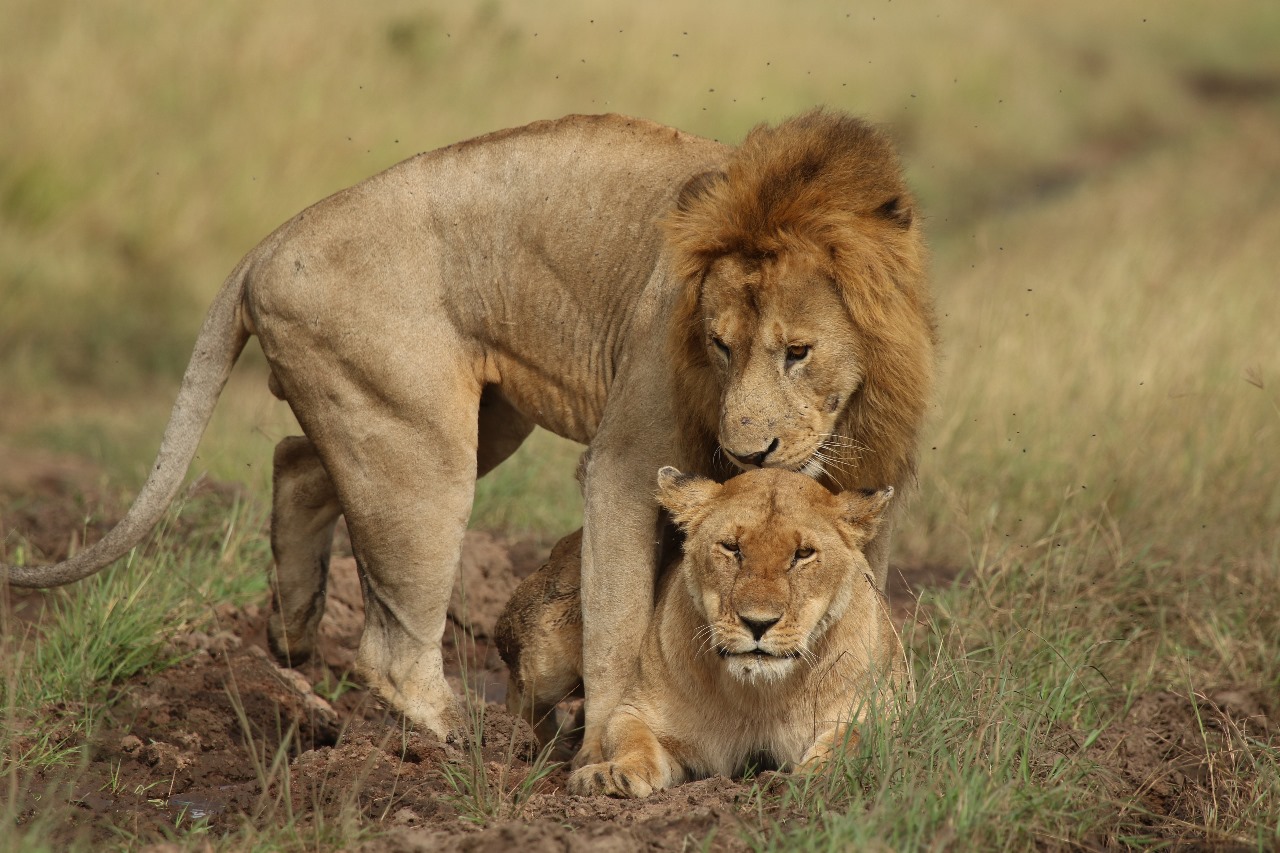
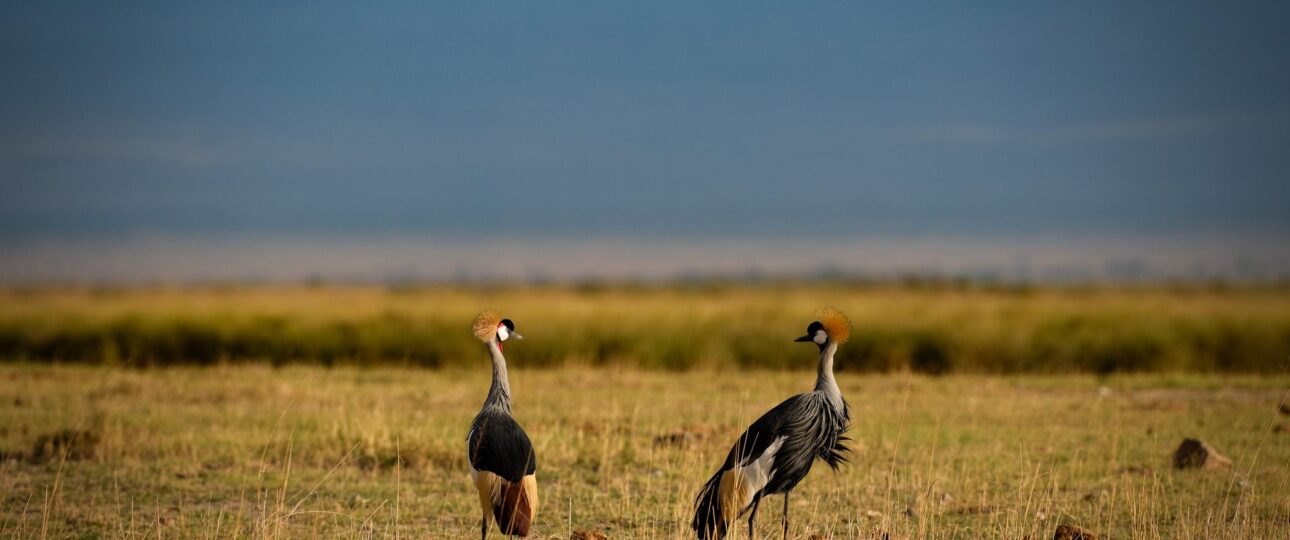
Peak migration season lodges book out 6–12 months in advance. If you're planning July–October, contact us now to check availability before your dates are gone.
Photography Tips for the River Crossing
- Arrive early and stay. If herds are massing at the bank, do not leave. Crossings often begin after long waits — patience is everything.
- Use a telephoto lens (200–400mm minimum). You'll be at a distance from the crossing — a long lens brings you into the action.
- Shoot in burst mode. The crossing happens fast. Burst mode captures the full sequence.
- Watch the bank, not just the water. The chaos of thousands of animals gathering and jostling is as dramatic as the crossing itself.
- Ask your guide about light and timing. Morning crossings offer the best photography light. Your guide can help you anticipate when and where.