The Last Northern White Rhinos in the World: A Kenya Safari Story of Hope and Conservation
Introduction
The story of the last northern white rhinos in the world is one of the most emotional and important conservation stories in Africa. Once widespread across Central and East Africa, this majestic species has now been reduced to just two individuals.
For travelers seeking a meaningful Kenya safari tour, visiting these rhinos offers more than wildlife viewing—it provides a chance to witness history, support wildlife conservation in Kenya, and be part of a global effort to save endangered species.
What Are Northern White Rhinos?
Northern white rhinos are a subspecies of the white rhinoceros that once roamed countries such as Sudan, Uganda, and the Democratic Republic of Congo. They were known for their large size, calm temperament, and ecological importance.
However, due to decades of poaching and habitat destruction, they are now considered functionally extinct.
This makes them one of the most iconic examples of endangered wildlife in Africa.
How Many Northern White Rhinos Are Left in the World?
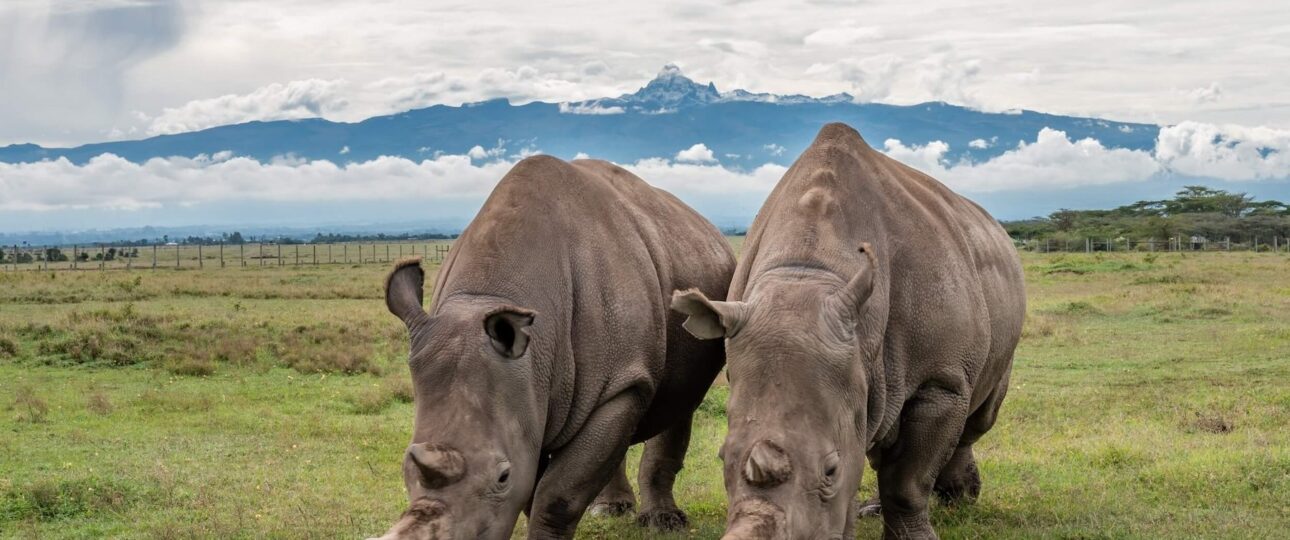
Today, only two northern white rhinos remain alive:
- Najin
- Fatu
Both are females and live under constant protection at Ol Pejeta Conservancy in Kenya.

This makes Kenya the only place in the world where visitors can see the last northern white rhinos, turning it into a unique destination for Kenya wildlife safari experiences.
Where to See the Last Northern White Rhinos in Kenya
Ol Pejeta Conservancy – A Global Conservation Destination
6
Located in Laikipia, Ol Pejeta Conservancy is one of the most important conservation areas in Africa.
It offers visitors the rare opportunity to:
- See the last northern white rhinos in the world
- Learn about rhino conservation in Africa
- Experience ethical and sustainable tourism
- Explore one of the top destinations for a Kenya safari holiday
In addition, the conservancy is home to black rhinos, elephants, lions, and many other species, making it a must-visit for any Kenya safari package.
Why Are Northern White Rhinos Extinct in the Wild?
The decline of northern white rhinos was driven by several key factors:
- Intense poaching for rhino horns
- Loss of natural habitat
- Political instability in their native regions
- Lack of effective conservation enforcement in earlier decades
These challenges highlight the importance of wildlife protection in Africa and the role of conservation tourism in preserving endangered species.
Can Northern White Rhinos Be Saved?
Despite the odds, there is still hope.
Scientists and conservationists are working on advanced reproductive technologies, including:
- In vitro fertilization (IVF)
- Use of preserved genetic material from deceased males
- Surrogacy using southern white rhinos
These efforts aim to revive the population and restore this species to the wild in the future.
This makes visiting Kenya not just a safari experience, but a chance to support one of the most ambitious wildlife conservation projects in the world.
Why Visit Kenya for Rhino Conservation Tourism?
Choosing a Kenya safari tour today goes beyond traditional travel. It allows you to directly contribute to conservation efforts.
When you visit places like Ol Pejeta Conservancy, you:
- Support anti-poaching initiatives
- Help fund wildlife protection programs
- Promote sustainable tourism in Kenya
- Contribute to local communities
This is why Kenya is considered a leader in sustainable safari tourism in Africa.
Best Time to Visit Ol Pejeta Conservancy
To enjoy the best Kenya wildlife safari experience, plan your visit during:
- June to October – Dry season with excellent wildlife viewing
- December to March – Warm weather and great photography conditions
These seasons offer the best chance to explore the conservancy and see the rhinos comfortably.
How to Include Ol Pejeta in Your Kenya Safari Itinerary
Ol Pejeta Conservancy can easily be included in your itinerary:
- From Nairobi (approx. 4–5 hours by road or short flight)
- Combined with:
- Maasai Mara National Reserve
- Mount Kenya region
- Samburu National Reserve
This combination creates a well-rounded Kenya safari travel experience.
Travel Tips for Visiting the Last Northern White Rhinos
To make the most of your trip:
- Book your Kenya safari package in advance
- Choose eco-friendly tour operators
- Follow conservation guidelines strictly
- Respect wildlife and maintain safe distances
Responsible travel ensures that your visit supports long-term conservation goals.
Conclusion
The last northern white rhinos are more than just animals—they are a symbol of both loss and hope. Their story reminds us of the impact humans have on wildlife, but also the power we have to protect and restore nature.
By choosing a Kenya safari tour focused on conservation, you are not only experiencing one of Africa’s greatest wildlife destinations but also contributing to a global mission to save endangered species.
Frequently Asked Questions About the Last Northern White Rhinos
1. How many northern white rhinos are left in the world?
Only two northern white rhinos remain in the world. Both are females named Najin and Fatu, and they live under constant protection at Ol Pejeta Conservancy in Kenya.
2. Where can I see the last northern white rhinos?
You can see the last northern white rhinos at Ol Pejeta Conservancy in Kenya. It is the only place in the world where these rhinos are protected and accessible to visitors on a Kenya safari tour.
3. Why are northern white rhinos extinct in the wild?
Northern white rhinos became extinct in the wild due to heavy poaching for their horns, habitat loss, and political instability in their native regions of Central Africa.
4. Can northern white rhinos be saved?
Scientists are working to save northern white rhinos using advanced reproductive technologies such as in vitro fertilization (IVF) and surrogate southern white rhinos. These efforts offer hope for restoring the species in the future.
5. Why should I visit Ol Pejeta Conservancy?
Visiting Ol Pejeta Conservancy allows you to see the last northern white rhinos while supporting wildlife conservation in Kenya. It is one of the most meaningful and educational Kenya safari experiences.
6. What is the best time for a Kenya safari to see rhinos?
The best time for a Kenya safari is during the dry seasons from June to October and December to March, when wildlife viewing conditions are ideal.
7. How does tourism help protect rhinos in Kenya?
Tourism helps fund conservation efforts, anti-poaching units, and local communities. By booking a Kenya safari tour, visitors directly contribute to protecting endangered wildlife like rhinos.
Ready to Experience This Unique Safari?
Plan your journey with Plan My Kenya Tour and discover the beauty of Kenya while supporting vital wildlife conservation efforts.
Your safari can make a difference.