
Masai Mara Safari Guide
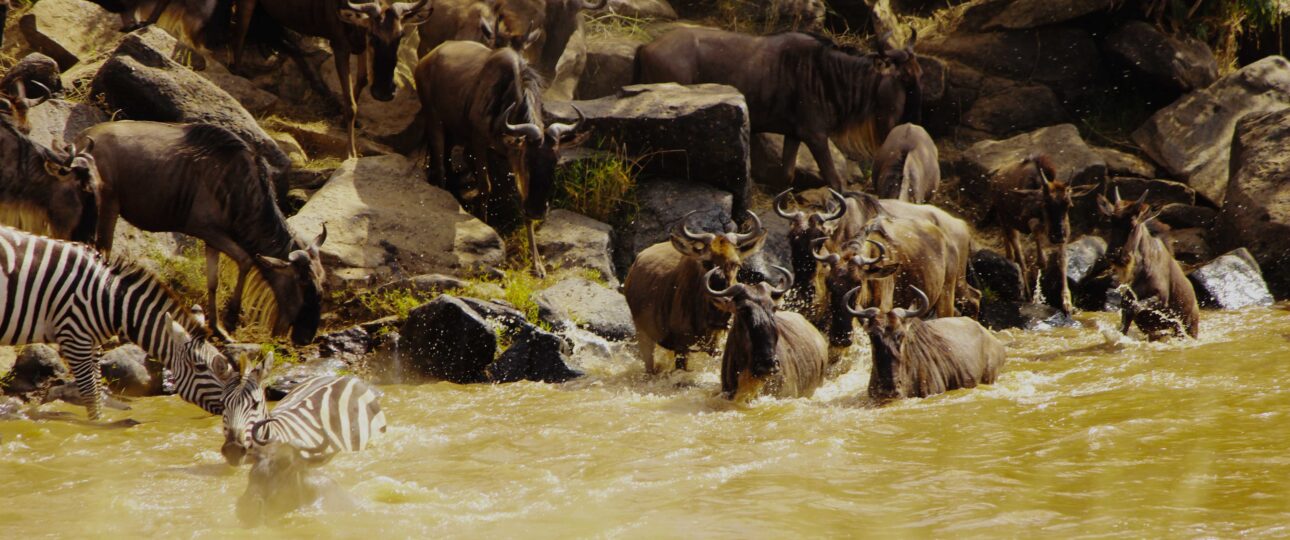
Nestled in southwestern Kenya’s Narok County, the Masai Mara National Reserve (often spelled Maasai Mara) stands as one of Africa’s most iconic wildlife and safari destinations. As the northernmost extension of the vast Serengeti ecosystem, the Mara is famed for its sweeping savannahs, dramatic river crossings, and unparalleled wildlife viewing.
Why Visit Masai Mara on Your Kenya Safari
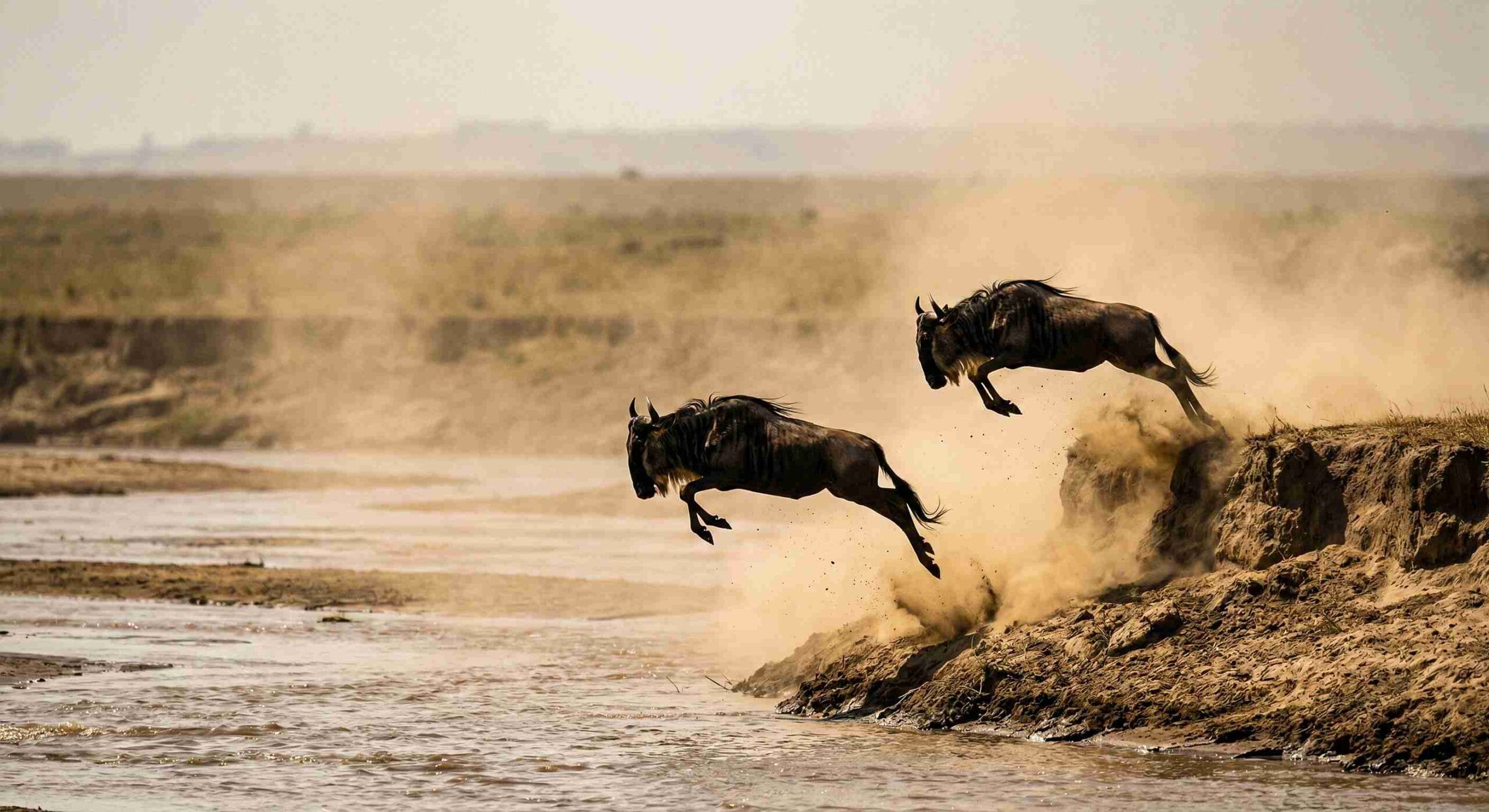
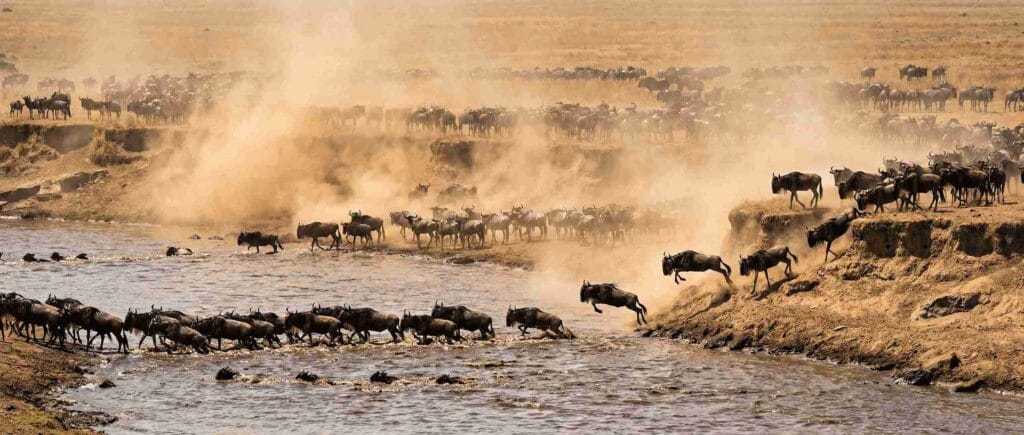
The Great Wildebeest Migration:
Between July and October, more than a million wildebeest, zebra, and gazelles migrate from Tanzania’s Serengeti to the Mara, crossing the treacherous Mara River in a breathtaking spectacle — widely regarded as one of the greatest wildlife shows on Earth.
Abundant Wildlife & the Big Five:
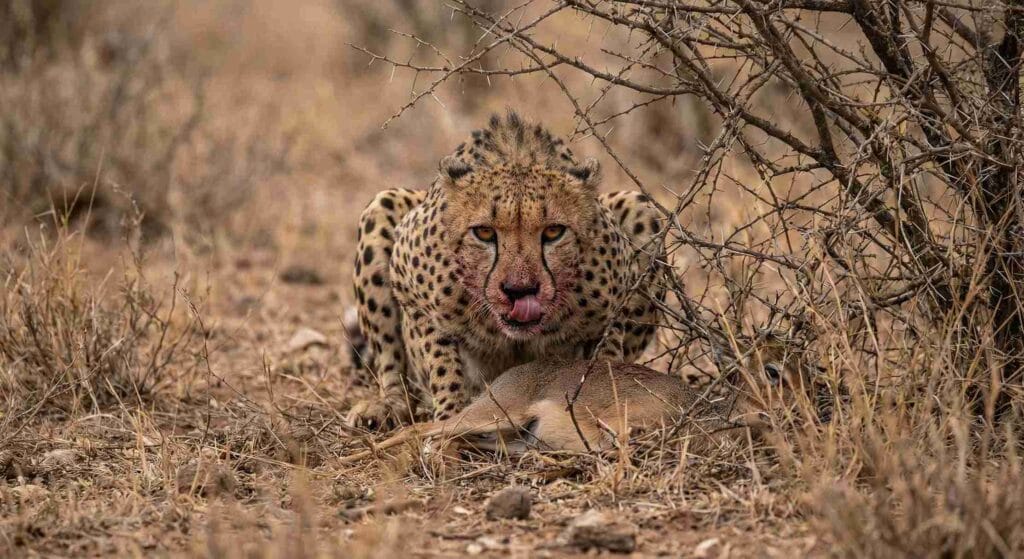
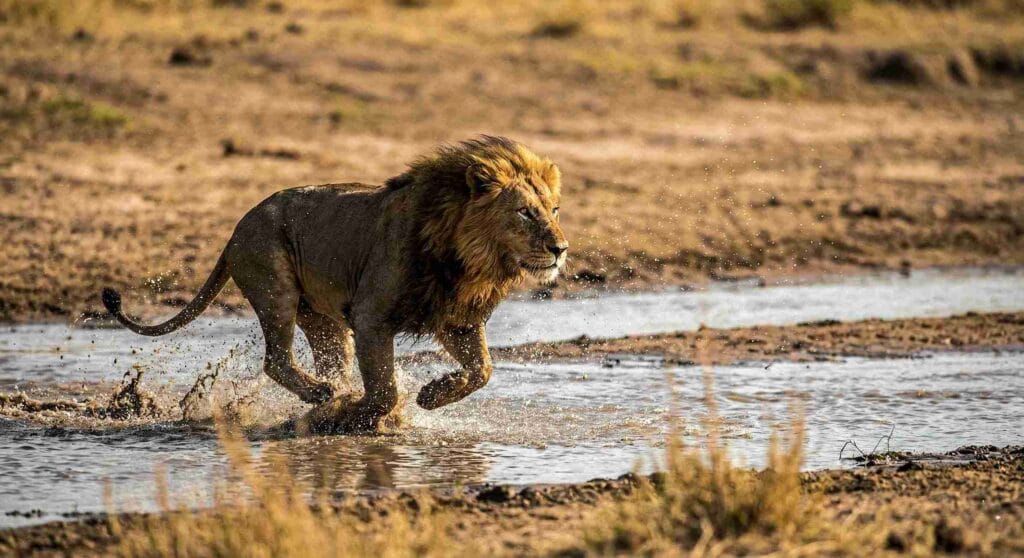
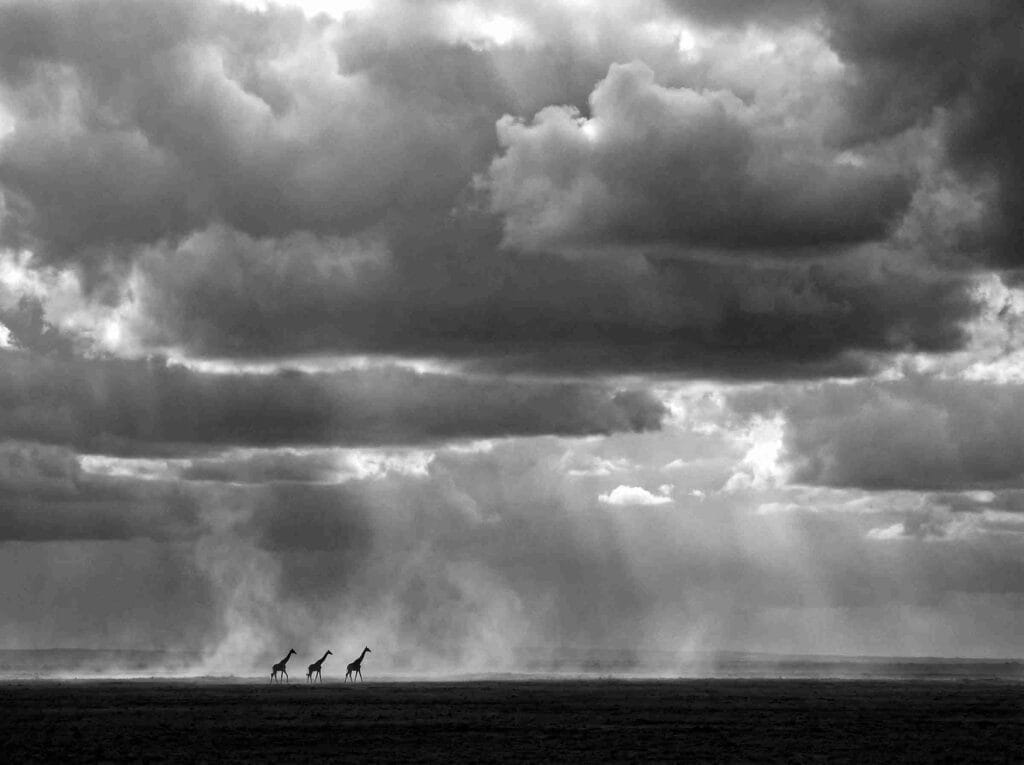
The Mara is home year-round to lions, elephants, buffalo, leopards, and (in some sectors) black rhinos. It also hosts cheetahs, hyenas, giraffes, zebras, and over 500 bird species, making it a top-tier Kenya wildlife safari destination.
Diverse Safari Experiences:
Enjoy twice-daily game drives, guided walking safaris, hot air balloon safaris at dawn, horseback safaris in ranch areas, and bush breakfasts or sundowners in the wilderness.
Cultural Encounters:
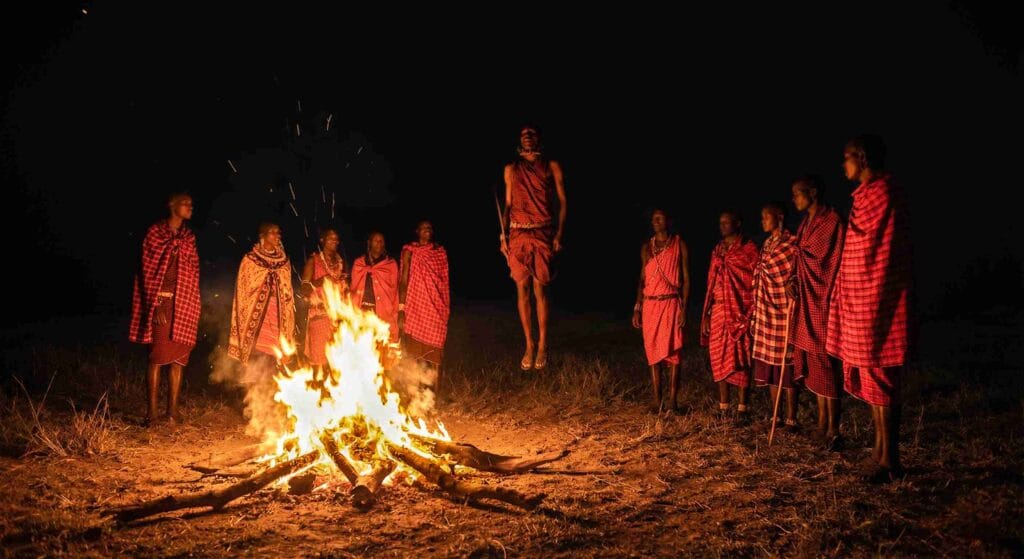
The reserve takes its name from the Maasai people, who historically inhabited the plains. Many tours include visits to Maasai villages, where you can learn about local traditions, dress, and beadwork — enhancing your Kenya safari tour with cultural context.

Less Crowded Zones & the Mara Triangle:
The Mara Triangle, managed by the Mara Conservancy, sits on the western flank of the reserve. It’s less crowded yet rich in wildlife, often offering more private and
Conservancy Model & Ecotourism
Beyond the core reserve, numerous Masai Mara conservancies (e.g. Mara North, Olare Motorogi, Naboisho) allow low-impact tourism with better wildlife corridor protection. Tour operators partner with Maasai landowners to support conservation and community revenue.
Best Time to Visit
June to October is the best time to visit Masai Mara, with dry conditions and thinner vegetation for better sightings.
This season also offers the Great Migration from July to October, when thousands of wildebeest cross rivers in dramatic fashion.
How to Get There
Most travellers fly into Nairobi, then connect to Masai Mara via short flights to nearby airstrips inside the reserve.
By road, it’s a five-hour drive from Nairobi to Sekenani Gate, with scenic landscapes and partly unpaved stretches en route.
Weather Information
Masai Mara has warm days and cooler nights throughout the year, offering pleasant weather for safari activities.
The long rains fall from March to May, and short rains occur in November and December, which can affect road accessibility and visibility.
Featured Accomodations in Masai Mara