When to See the Great Migration, Weather Tips & Wildlife Highlights
The Masai Mara National Reserve is one of the most iconic safari destinations in the world, offering unforgettable wildlife encounters every month of the year. But if you want the very best sightings — especially of the legendary Great Wildebeest Migration — timing matters.
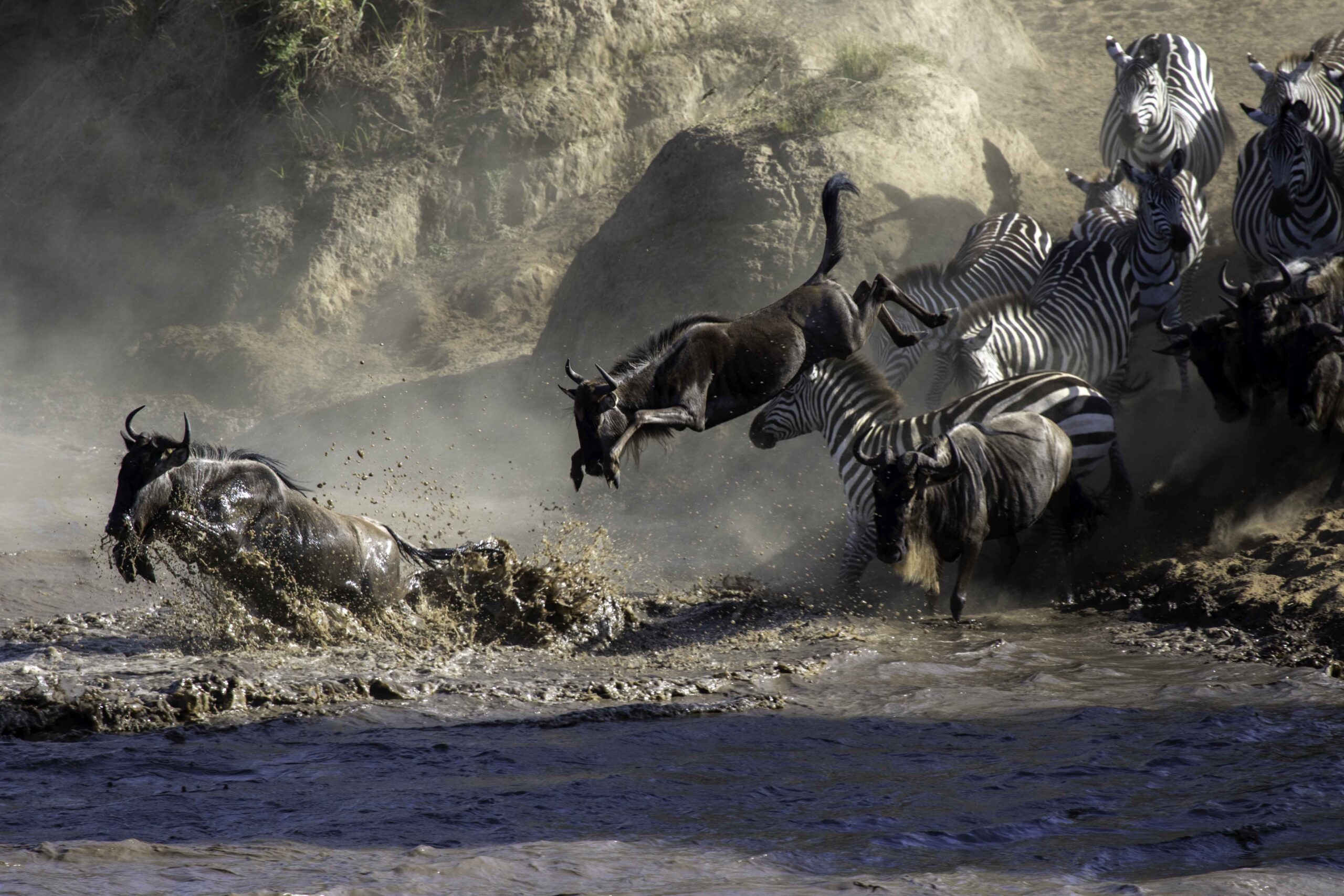
This complete guide will help you choose the best time to visit the Masai Mara, based on weather, wildlife activity, crowd levels, and migration patterns.
Best Overall Time to Visit Masai Mara: June to October (Dry Season)
The Dry Season from June to October is the most recommended time for classic safari lovers.
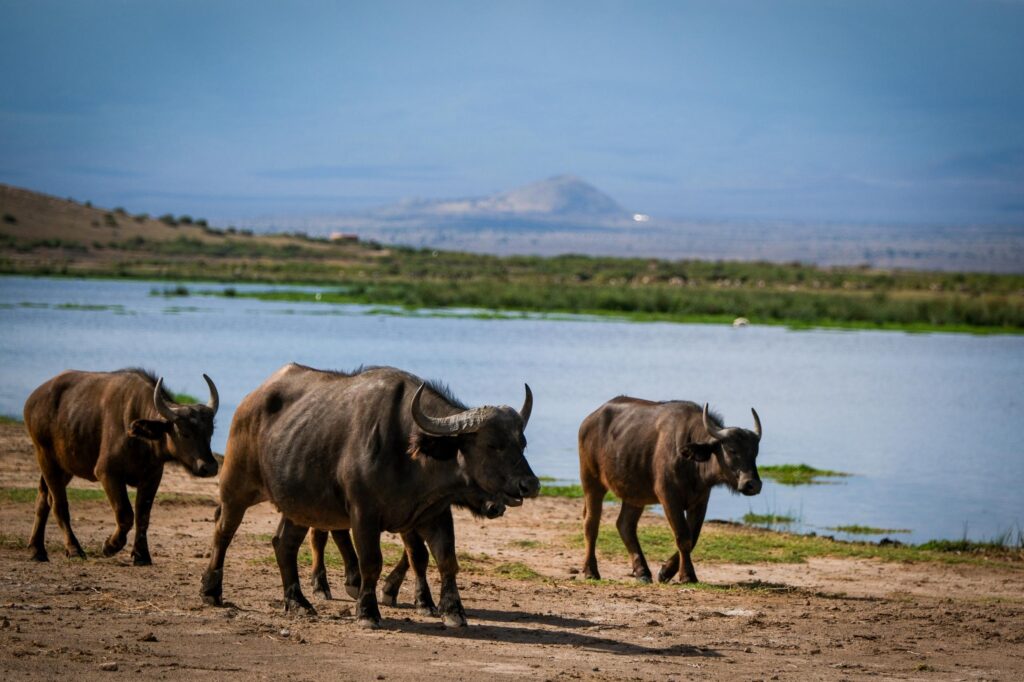
During these months, the landscape opens up, vegetation thins out, and wildlife gathers around rivers and waterholes — making animals much easier to spot.
Why This Time Is Ideal
- Sunny days with mild temperatures
- Reliable wildlife sightings throughout the reserve
- Big cats are more active and visible
- Dust-free viewing conditions
- Excellent photography opportunities
If you’re dreaming of a BBC-style safari experience, this is it.
Best Time to Witness the Great Migration: July/August to October
From late July or early August through October, over 1.5 million wildebeest and zebra pour into the Mara from Tanzania’s Serengeti.
This is your best chance to witness:
- Wildebeest herds covering the plains
- Dramatic Mara River crossings
- Predator action along the migration routes
- Huge numbers of grazing animals
These months offer some of the most breathtaking wildlife moments on Earth.
Season-by-Season Breakdown
June to October – Dry Season (Peak Wildlife Viewing)
Highlights
- Sunny, dry, and rarely too hot
- Animals gather near permanent rivers like the Mara and Talek
- River crossings in August and September
- Great visibility due to thin vegetation
Things to Consider
- It’s high season — expect many tourists
- Prime sightings may attract multiple vehicles
- Lodges fill quickly, so early booking is essential
November to May – Wet Season (Green & Quieter)
This period includes the short rains (Nov–Dec) and long rains (March–May).
Highlights
- Fewer crowds for a more peaceful safari
- Beautiful green landscapes and clear skies after rain
- Excellent birdwatching with migrant species
- Many animals give birth — great predator action
- Lower lodge rates in April and May
Things to Consider
- Heavy rains in March, April, November, and December can disrupt game drives
- Some roads become muddy or difficult to navigate
- No wildebeest river crossings this time of year
Despite the rain, the Masai Mara remains excellent for spotting lions, cheetahs, elephants, giraffes, and resident herds of wildebeest and zebra.
Weather & Safari Conditions in the Masai Mara
Best Weather: June – October
Clear skies, sunny days, and comfortable temperatures.
🌧️ Worst Weather: March & April
Long rains peak — road conditions can be challenging.
High Season: June–October & December–March
Expect crowds around popular sightings.
Low Season: April & May
Budget-friendly with occasional rain interruptions.
Is the Masai Mara a Year-Round Safari Destination?
Absolutely!
The Masai Mara offers strong wildlife viewing in every season because it hosts:
- Large resident lion populations
- Abundant elephants and giraffes
- Cheetahs and leopards throughout the year
- Constant plains game like impala, topi, Thomson’s gazelle, and zebra
Even outside the migration, the Mara is one of the richest wildlife ecosystems on the continent.
FAQs: Best Time to Visit Masai Mara
1. When is the Great Migration in the Masai Mara?
Between July or August and October, depending on rainfall.
2. Is it worth visiting in April and May?
Yes — fewer tourists, greener landscapes, and lower rates. Just expect rain.
3. What month is best for photography?
August–September for dramatic migration shots, and January–February for clear skies and predators with cubs.
4. When is the Masai Mara least crowded?
April, May, November.