What to Pack for Safari: Complete Kenya Safari Packing List (2026)
Going on a safari is one of the most exciting travel experiences in the world. Whether you’re planning a thrilling wildlife adventure in the Masai Mara, exploring Amboseli National Park with Mount Kilimanjaro in the background, or visiting the flamingo-filled shores of Lake Nakuru, being properly prepared will make your safari more comfortable and enjoyable.
Many first-time travelers ask the same question before their trip: What should I pack for a safari?
Unlike regular vacations, safaris involve long game drives, changing weather conditions, dusty environments, and close encounters with wildlife. Packing the right items ensures you stay comfortable, protected, and ready to capture unforgettable moments.
In this guide, we’ll cover everything you need to know about what to pack for safari, including essential clothing, must-have gear, travel documents, and helpful tips for your Kenya safari adventure.
Why Packing Properly for a Safari Matters
A safari often involves early morning game drives, afternoon heat, dusty roads, and cooler evenings. Being prepared with the right clothing and equipment ensures that you stay comfortable throughout your trip.
Packing smartly also helps you:
- Stay protected from the sun and insects
- Blend into the natural environment while observing wildlife
- Carry important gear for photography and wildlife spotting
- Avoid overpacking unnecessary items
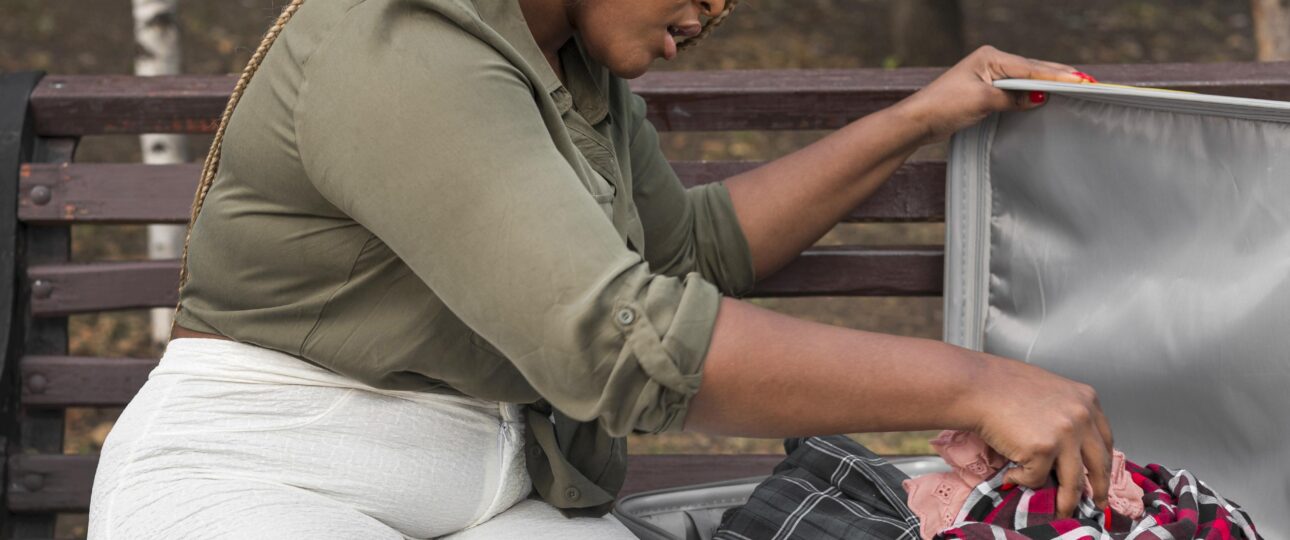
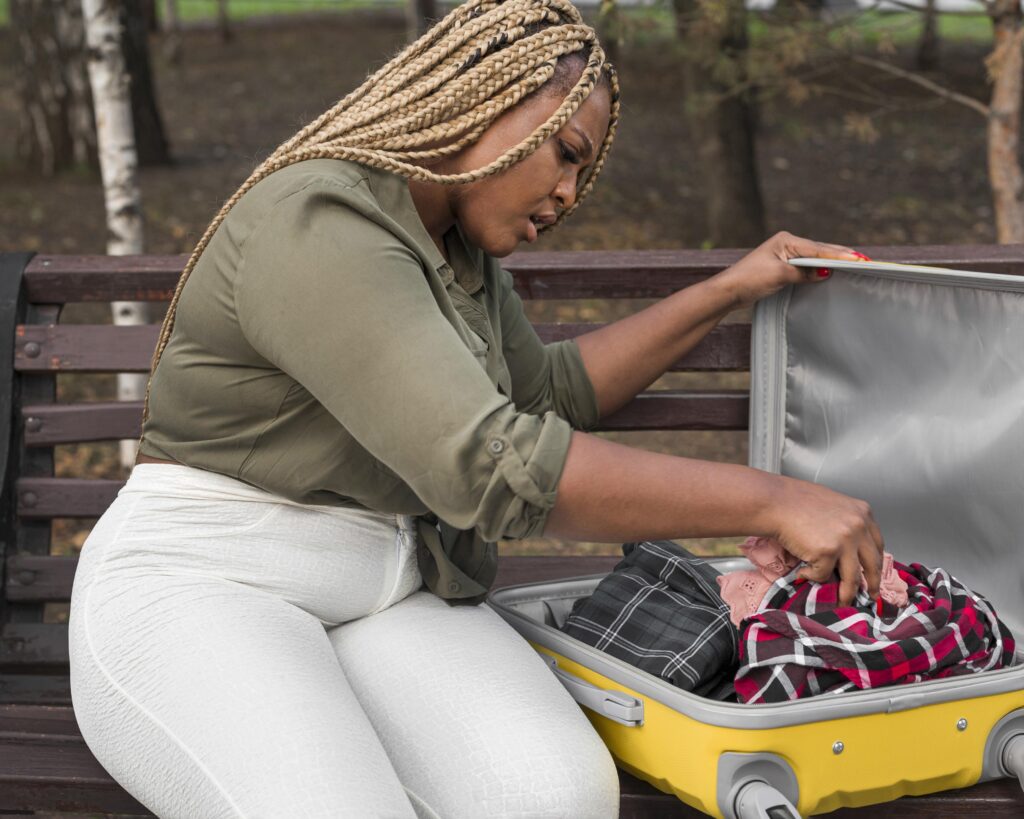
Most safari lodges also have luggage restrictions for small bush flights, so packing efficiently is important.
Essential Clothing for Safari
When deciding what to pack for safari, clothing should be comfortable, lightweight, and suitable for outdoor conditions.
Neutral-Colored Clothing
Safari guides recommend wearing neutral colors such as:
- Khaki
- Olive green
- Beige
- Light brown
These colors help you blend into the environment and avoid attracting insects. Bright colors and camouflage clothing should generally be avoided.
Lightweight Shirts and T-Shirts
Pack several breathable shirts or t-shirts made from cotton or moisture-wicking fabrics. These help keep you cool during warm daytime game drives.
Long-sleeve shirts are especially useful because they protect your skin from the sun and mosquitoes.
Comfortable Safari Pants or Trousers
Choose lightweight trousers or zip-off safari pants. These are comfortable for long drives and protect your legs from dust, sun exposure, and insects.
Many travelers prefer convertible pants that can turn into shorts during hot afternoons.
A Warm Jacket or Fleece
Early morning and evening game drives can be surprisingly cold, especially in open safari vehicles. A light fleece or jacket is essential.
Temperatures in the Masai Mara, for example, can drop significantly before sunrise.
A Hat for Sun Protection
A wide-brim safari hat helps protect your face, neck, and eyes from the strong African sun.
Choose a breathable hat that provides good coverage during long game drives.
Footwear for Safari
You don’t need heavy hiking boots for most safari trips, but comfortable footwear is still important.
Comfortable Walking Shoes
A pair of comfortable sneakers or walking shoes is ideal for lodge walks, short nature walks, or exploring safari camps.
Sandals or Flip-Flops
Light sandals are useful for relaxing at your lodge or walking around the camp.
Many safari lodges have sandy paths, so sandals are practical and comfortable.
Must-Have Safari Gear
Besides clothing, there are several essential items that will improve your safari experience.
Binoculars
Wildlife is often spotted at a distance. A good pair of binoculars helps you observe animals like lions, elephants, and leopards more clearly.
Even if your guide has binoculars, having your own makes the experience much better.
Camera with Zoom Lens
A safari offers incredible photography opportunities. A camera with a zoom lens allows you to capture wildlife safely from a distance.
Many travelers bring lenses ranging from 200mm to 400mm for wildlife photography.
Extra Camera Batteries and Memory Cards
You’ll likely take hundreds of photos during your safari. Bring extra batteries and memory cards so you never miss a moment.
Electricity in some lodges may be limited during certain hours.
Small Daypack
A lightweight backpack is perfect for carrying essentials such as your camera, sunscreen, binoculars, and water during game drives.
Health and Personal Items
Health and safety are important considerations when traveling in Africa.
Sunscreen
The African sun can be intense, even during cooler months. A high-SPF sunscreen protects your skin during long game drives.
Insect Repellent
Mosquitoes can be present in certain areas, especially near water sources. A strong insect repellent is essential.
Reusable Water Bottle
Staying hydrated is important during safari activities. A reusable water bottle helps reduce plastic waste and keeps you refreshed.
Personal Medications
Bring any prescription medications you need, along with a small travel first-aid kit.
Important Travel Documents
Before leaving for your safari, make sure you pack the following documents:
- Passport (valid for at least six months)
- Travel insurance documents
- Flight tickets and itinerary
- Vaccination certificates if required
It’s also wise to keep digital copies of important documents on your phone or email.
What Not to Pack for Safari
When preparing for your trip, there are a few items you should avoid bringing.
Bright or Neon Clothing
Bright colors may attract insects and can disturb wildlife during game drives.
Heavy Suitcases
Soft duffel bags are recommended instead of hard suitcases, especially if you are taking domestic bush flights.
Too Many Clothes
Most safari lodges offer laundry services, so you don’t need to pack excessive clothing.
Safari Packing Tips from Experienced Travelers
Travelers who frequently visit Kenya recommend a few additional tips.
- Pack light and choose versatile clothing items
- Bring layers for changing temperatures
- Protect electronics from dust using small bags
- Carry a power bank for charging devices
These small preparations can make your safari experience smoother and more enjoyable.
Final Thoughts
Knowing what to pack for safari ensures that you’re prepared for every moment of your adventure. From comfortable clothing and reliable gear to important travel documents, packing smartly allows you to focus on what truly matters — experiencing the incredible wildlife and landscapes of Kenya.
Whether you’re tracking lions in the Masai Mara, watching elephants in Amboseli, or exploring Kenya’s stunning national parks, the right packing list will help you enjoy every second of your safari.
If you’re planning your next adventure, consider exploring professionally guided Kenya safari packages that include expert guides, carefully selected lodges, and unforgettable wildlife experiences.
A well-planned safari combined with the right gear is the perfect recipe for a once-in-a-lifetime journey.