Planning your first African safari? You’re about to discover some of the most extraordinary wildlife destinations on the planet. From wildebeest-packed plains to elephant herds beneath Mount Kilimanjaro, this guide compares the best places to go on safari in Africa for first-time international visitors — with honest takes on what each destination does best, when to go, and what it costs.
Whether you’re flying in from the US, UK, or Europe, choosing the right park is the single biggest decision you’ll make. Get it right and you’ll come home with stories you’ll tell forever.
Quick Comparison: 7 Best Safari Destinations in Africa
| Destination | Country | Best for | Best months | Est. cost / day (USD) |
|---|---|---|---|---|
| Maasai Mara | Kenya | Big cats, Great Migration | Jul – Oct | $300 – $1,500 |
| Serengeti | Tanzania | Migration, open plains | Jun – Oct | $400 – $1,800 |
| Amboseli | Kenya | Elephants, Kilimanjaro views | Jun – Oct, Jan – Feb | $250 – $1,200 |
| Ngorongoro | Tanzania | Big Five in one day | Jun – Oct | $500 – $2,000 |
| Kruger | South Africa | Self-drive, value | May – Sep | $150 – $1,000 |
| Okavango Delta | Botswana | Water safari, exclusivity | Jul – Oct | $800 – $2,500 |
| Bwindi / Uganda | Uganda | Gorilla & chimp trekking | Jun – Aug, Dec – Feb | $700 – $1,500 |
Best Places to Go on Safari in Africa
1. Maasai Mara, Kenya
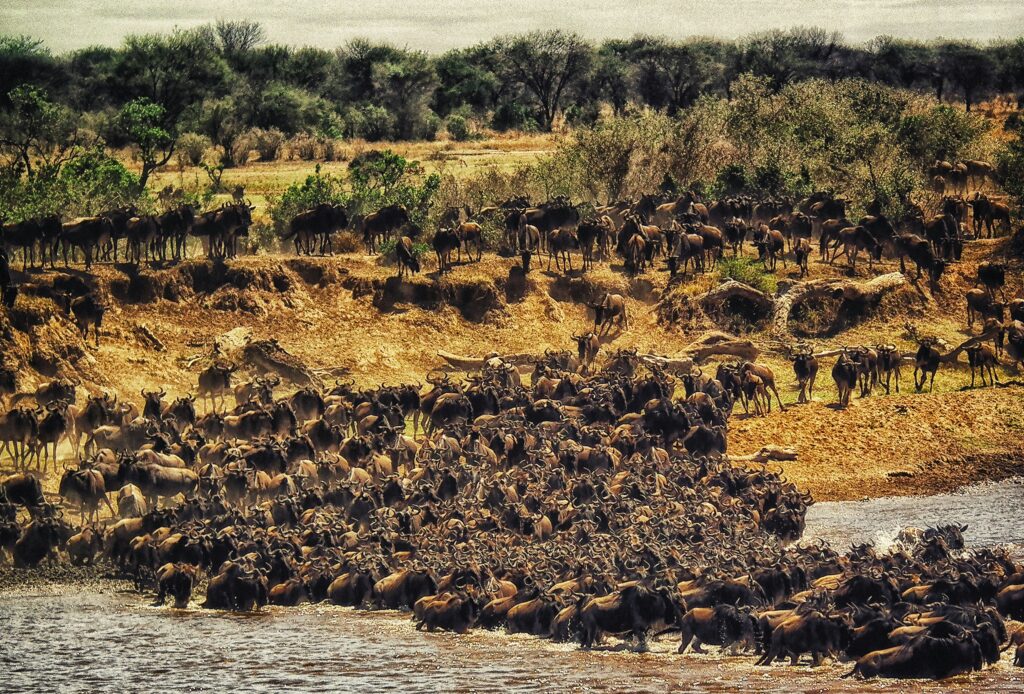
The Maasai Mara National Reserve is the headline act of African safari travel — and for most first-timers, the right place to start. From July to October, more than 1.5 million wildebeest and zebra cross the Mara River as part of the Great Migration, with predators in tow.
- Why visit: Among the highest big-cat densities in Africa — lions, cheetahs, and leopards on most game drives.
- Best for: First-time visitors who want guaranteed wildlife sightings.
- Travel tip: Fly into Nairobi (NBO), then take a 45-minute light-aircraft transfer instead of the 5-hour drive.
Learn more about Kenya’s wildlife conservation from the Kenya Wildlife Service, or read our deep-dive on Maasai Mara vs Amboseli.
2. Serengeti, Tanzania
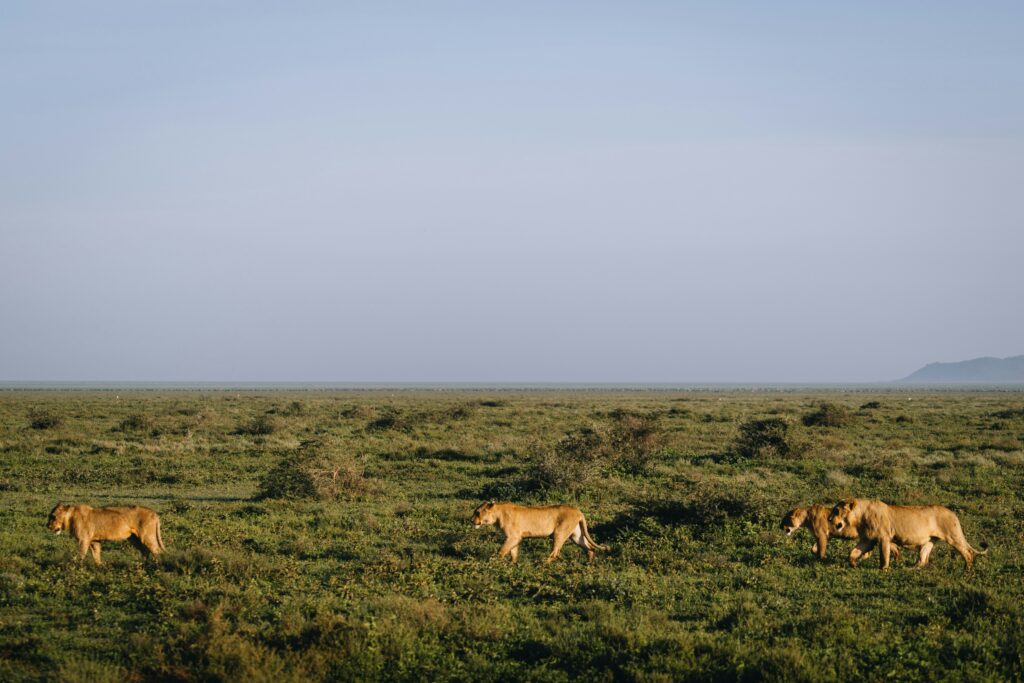
The Serengeti National Park is the Maasai Mara’s larger southern neighbor and one of the most iconic safari destinations on earth. Rolling grasslands stretch to the horizon, and the dry-season concentration of predators is genuinely staggering.
- Highlights: Endless plains, calving season in February (southern Serengeti), river crossings June–August.
- Best for: Travelers who want a longer, deeper safari with multiple eco-zones.
- Travel tip: Pair the Serengeti with Ngorongoro Crater for a classic 5–7 day Northern Tanzania circuit.
Park info and fees: Tanzania National Parks Authority.
3. Amboseli, Kenya
Amboseli National Park is famous for two things: huge elephant herds and the snow-capped backdrop of Mount Kilimanjaro. It’s flatter and more open than the Mara, which makes spotting wildlife easy — and the photography unforgettable.
- Why it stands out: Up-close elephant encounters and the most photogenic mountain backdrop in Africa.
- Best for: Photographers, families with kids, and anyone short on time (just 4 hours from Nairobi).
- Travel tip: Stay in a lodge on the western side for the best dawn Kilimanjaro views.
Compare options in our guide to Maasai Mara vs Amboseli.
4. Ngorongoro Crater, Tanzania
The Ngorongoro Crater is the world’s largest intact volcanic caldera, and the wildlife density inside is unmatched. It’s one of the few places where you can realistically see all of the Big Five in a single day.
- What makes it special: One of the highest chances of spotting endangered black rhino in the wild.
- Best for: Travelers with limited time who want maximum wildlife per hour.
- Travel tip: Crater fees are steep — budget at least one full crater day rather than half.
5. Kruger National Park, South Africa
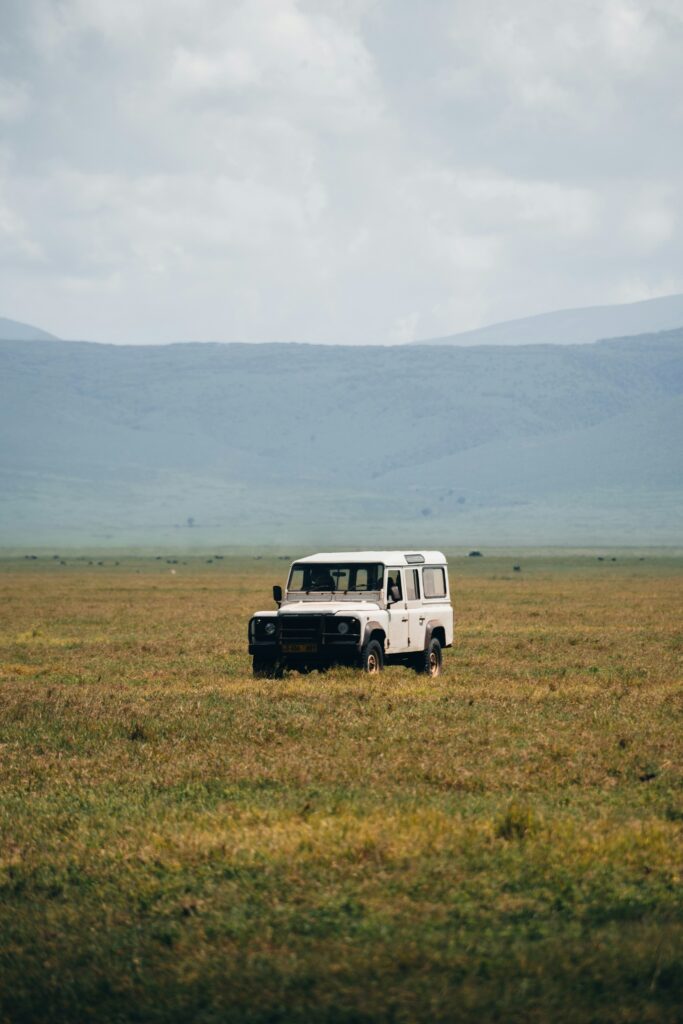
Kruger National Park is the most accessible and best-value safari in Africa. Sealed roads, well-marked camps, and excellent infrastructure make it the only top-tier park in Africa where a self-drive trip is genuinely realistic for first-timers.
- Benefits: Self-drive, malaria-free private reserves on the western boundary, accommodation from $50 to $2,000 a night.
- Best for: Budget-conscious travelers and families.
- Travel tip: Fly into Johannesburg, then take a domestic flight to Skukuza or Nelspruit.
6. Okavango Delta, Botswana
The Okavango Delta is unlike any other safari on the continent. Annual floods turn the Kalahari into a maze of waterways, and you explore by mokoro (dugout canoe) and on foot as well as by 4×4.
- Experience: Water-based game viewing, walking safaris, exclusive low-volume lodges.
- Best for: Honeymooners and second-time safari travelers wanting something different.
- Travel tip: The Delta is premium-only — expect $800–$2,500 per person per night all-inclusive.
7. Uganda — Gorillas, Chimps, and More
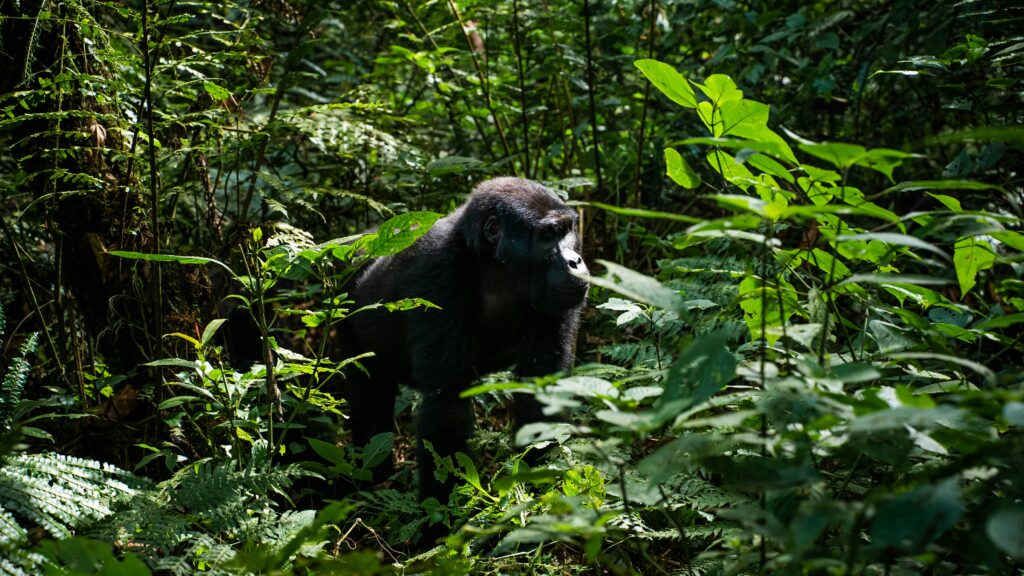
Uganda offers one of the most distinctive wildlife experiences on the continent: trekking through cloud forest to spend an hour with a habituated mountain gorilla family.
Bwindi Impenetrable Forest National Park
Home to nearly half of the world’s remaining mountain gorillas. Trekking permits are limited (and pricey at around $800), but the experience is genuinely life-changing.
Queen Elizabeth National Park
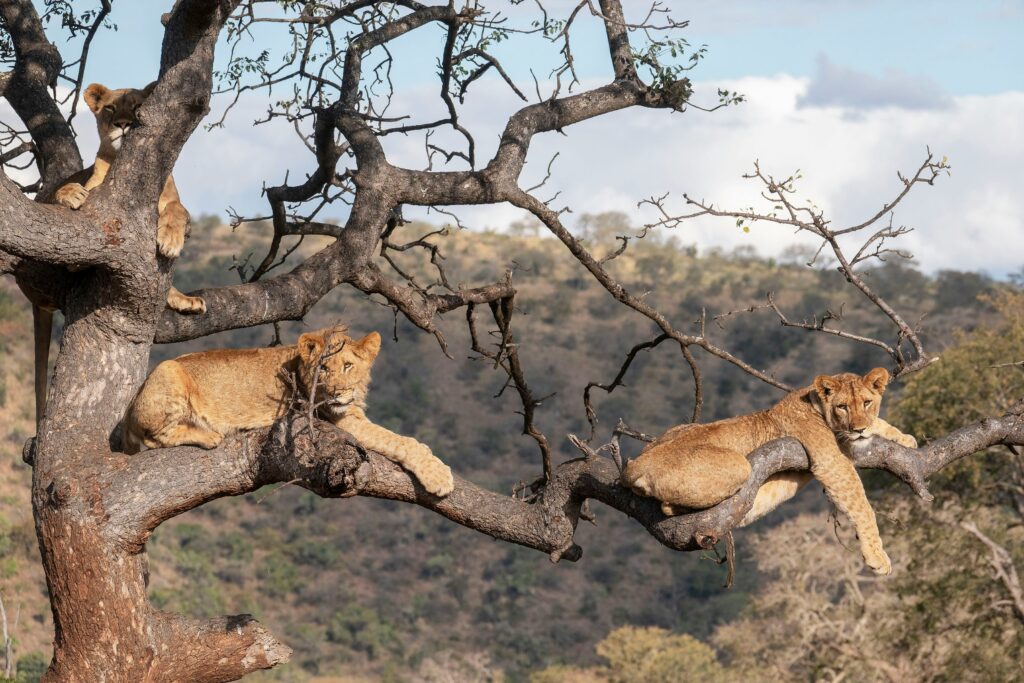
Famous for the unusual tree-climbing lions of the Ishasha sector, plus chimp tracking in Kyambura Gorge and over 600 bird species.
How to Choose the Best Safari Destination for You
Choosing among the best places to go on safari in Africa depends on what matters most to you:
- Wildlife action and big cats: Maasai Mara or Serengeti
- Scenery and photography: Amboseli or Ngorongoro
- A unique, water-based experience: Okavango Delta
- Best value and self-drive: Kruger
- Bucket-list gorilla trekking: Bwindi, Uganda
Not sure which fits your trip? Tell us what you’re looking for and we’ll send back a tailored itinerary within 24 hours.
Best Time to Go on Safari in Africa
Timing makes a huge difference, especially for first-time visitors:
- June to October (dry season): Best overall game viewing — animals concentrate around water sources.
- July to October: Peak Great Migration river crossings in the Maasai Mara and northern Serengeti.
- November to March: Smaller crowds, lower prices, excellent birdwatching, lush green landscapes.
- April and May: Long rains in East Africa — beautiful, quiet, and cheap, but some camps close.
Check current Kenyan weather forecasts at the Kenya Meteorological Department.
First-Time Safari Planning Tips
Visas and entry
Kenya now uses a fully online eTA (Electronic Travel Authorization) for most international visitors — apply at least three days before travel. Tanzania, Uganda, and Botswana all offer e-visa or visa-on-arrival options for most US, UK, and EU passport holders. Always confirm the latest requirements with your country’s official embassy site.
Vaccinations and health
A Yellow Fever certificate is required if you’re entering Kenya, Tanzania, or Uganda from another country with risk of transmission. Anti-malarial prophylaxis is strongly recommended for most safari areas. Always consult your doctor or a travel-medicine clinic at least 6–8 weeks before departure — this article isn’t medical advice.
How many days do you need?
- 5–7 days: One country, two parks (e.g. Maasai Mara + Amboseli).
- 8–10 days: Classic Northern Tanzania (Serengeti + Ngorongoro + Tarangire) or a Kenya safari + beach combo.
- 12+ days: Multi-country safari (Kenya + Tanzania, or Botswana + South Africa).
When to book
For the dry season (July–October) book at least 8–12 months ahead, especially for the Maasai Mara, Serengeti, and gorilla permits. Last-minute travel is realistic only outside peak months.
How Much Does an African Safari Cost?
- Budget safari: $200 – $350 per person per day (group tours, mid-range tented camps, shared transport).
- Mid-range: $400 – $700 per person per day (private 4×4, quality lodges, small groups).
- Luxury: $1,000 – $2,500+ per person per day (exclusive camps, private guide, light-aircraft transfers, all-inclusive).
International flights, gorilla permits (~$800), and travel insurance are usually quoted separately.
Frequently Asked Questions
What are the best places to go on safari in Africa?
The most popular destinations are Maasai Mara (Kenya), Serengeti and Ngorongoro (Tanzania), Amboseli (Kenya), Kruger (South Africa), the Okavango Delta (Botswana), and Bwindi (Uganda) for gorilla trekking.
When is the best time for an African safari?
The dry season (June to October) is ideal — animals gather around water sources and vegetation is sparse, making wildlife easy to spot. July to October is peak Great Migration season in East Africa.
Is safari in Africa safe for first-time visitors?
Yes — safaris are generally very safe when booked through licensed tour operators with professional guides. Stick to reputable companies, follow your guide’s instructions on game drives, and check your country’s current travel advisory before departure.
How much does an African safari cost?
Costs range from around $200 per day for a budget group safari to $2,500+ per day for fully exclusive luxury camps. Most first-time visitors spend $400–$700 per person per day on a quality mid-range trip, plus international flights.
Do I need vaccinations for an African safari?
A Yellow Fever certificate may be required depending on your route, and anti-malarial medication is recommended for most safari areas. Always speak to a travel-medicine doctor at least 6–8 weeks before you travel.
How many days do I need for a first safari?
Plan for at least 5–7 days on safari to see two contrasting parks without rushing. 8–10 days is the sweet spot for most first-time international visitors, allowing recovery from the long flight and time for a beach extension if you’d like one.
Plan Your African Safari
Africa is home to the most extraordinary wildlife destinations on earth — and for first-time visitors from the US, UK, or Europe, choosing the right one transforms a great trip into an unforgettable one.
Ready to start planning? Contact our safari planners — we’ll build a custom itinerary tailored to your budget, dates, and travel style, with no obligation.
Leave a Reply