Best Time to Visit Kenya for a Safari (Month-by-Month Guide)

The honest answer? There is no single “best” month — it depends entirely on what you want to see. The Great Migration river crossings peak in July and August. Prices are lowest in April and November. Baby animals are born in January and February. Amboseli’s Kilimanjaro views are sharpest in the dry season.

This guide breaks it down month by month so you can pick the dates that match your goals, budget, and travel style.


Kenya Safari Seasons at a Glance

Season Months Wildlife Crowds Price
Peak (Dry) Jul – Oct ⭐⭐⭐⭐⭐ Great Migration + river crossings High Highest
Shoulder (Dry) Jan – Mar ⭐⭐⭐⭐ Excellent – calving, Big Five, clear skies Medium Mid-range
Shoulder (Dry) Jun ⭐⭐⭐⭐ Very good – herds arriving, fewer crowds Medium Mid-range
Green Season Nov, May ⭐⭐⭐ Good – lush scenery, birds, fewer visitors Low Low
Low Season Apr ⭐⭐⭐ Decent – long rains, very quiet parks Very low Lowest

Month-by-Month Guide to Kenya Safaris

January – March: The Dry Shoulder Season

January through March is one of the most underrated times to visit Kenya. The short rains from November have ended, the vegetation has dried out enough to make wildlife easy to spot, and the lodges are significantly cheaper than July–October.

In the southern Serengeti (Tanzania), the wildebeest are calving — and while that’s across the border, it means Kenya’s Masai Mara is quieter, less crowded, and still packed with resident wildlife: lions, elephants, cheetah, buffalo, giraffe, and hyena.

Amboseli National Park is at its best in January and February. Mount Kilimanjaro is visible most mornings without cloud cover, and the elephant herds are concentrated around the swamps. If a Kilimanjaro-and-elephants photograph is on your bucket list, these are your months.

Best for: First-time visitors on a mid-range budget, families, photographers, and anyone who hates crowds.

April: Long Rains — Budget Safari Season

April is Kenya’s rainiest month. The Masai Mara turns green and lush, tracks become muddy, and some smaller camps close for maintenance. Wildlife is more dispersed because water sources are plentiful — animals don’t need to congregate around rivers and waterholes.

However: if budget is your primary concern, April offers the cheapest Kenya safari prices of the year. Park fees are lower, lodges discount aggressively, and you’ll often have game drives almost entirely to yourself. Bird-watching is exceptional during the wet season.

Best for: Budget travellers, birders, and experienced safari-goers who want solitude.

May – June: The Parks Come Alive

By late May, the long rains ease. June is an excellent time to visit: the landscape is still green and beautiful, prices are returning to mid-range, and the wildebeest herds are beginning to mass on the Tanzania-Kenya border, heading north.

June is one of the best-value months on the calendar. You get near-peak wildlife quality, lower prices than July–October, and the excitement of the herds beginning to arrive in the Mara. First river crossings are sometimes seen in late June.

Best for: Travellers who want good value and don’t mind a slightly lower chance of river crossings.

July – August: Peak Season — The Great Migration

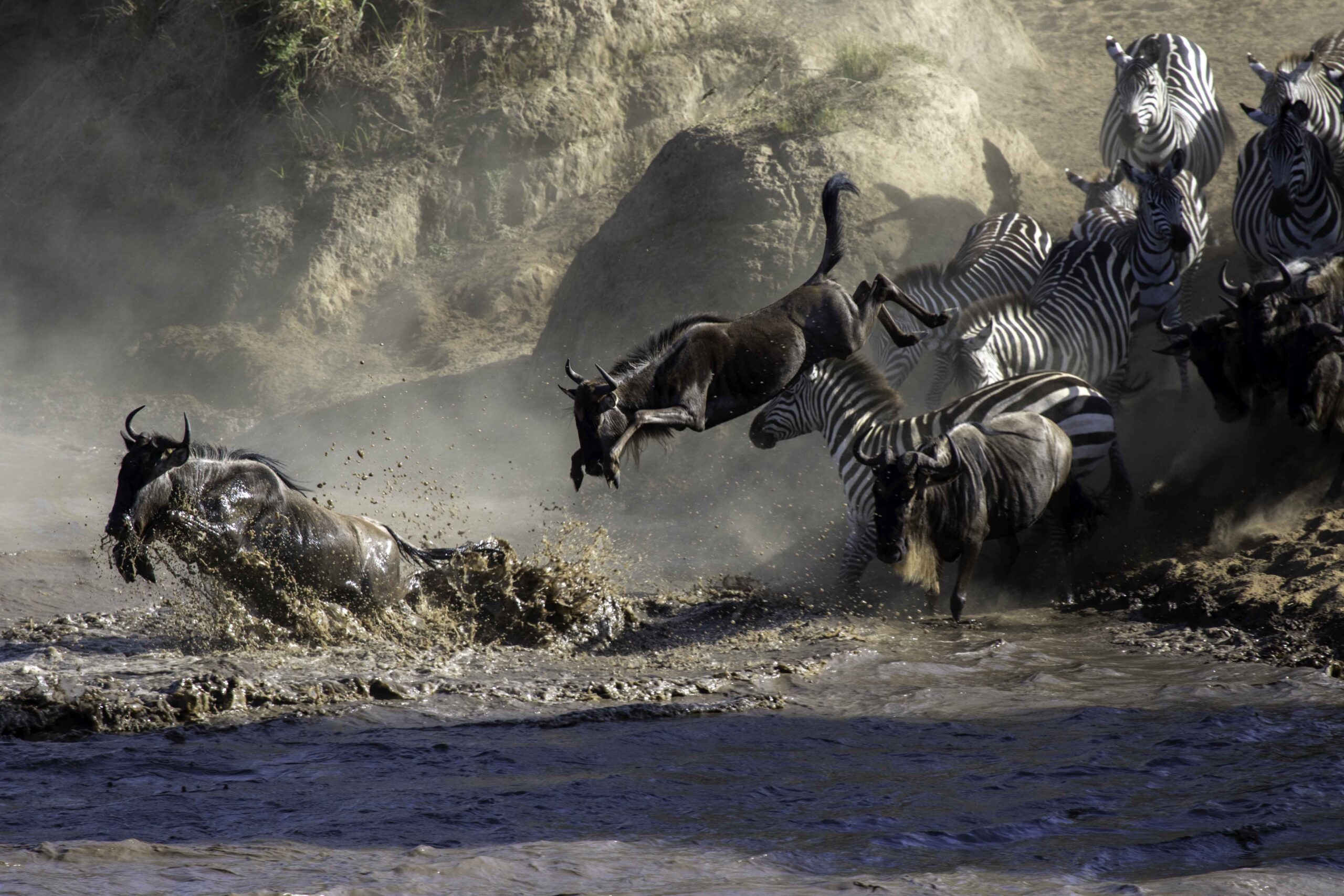
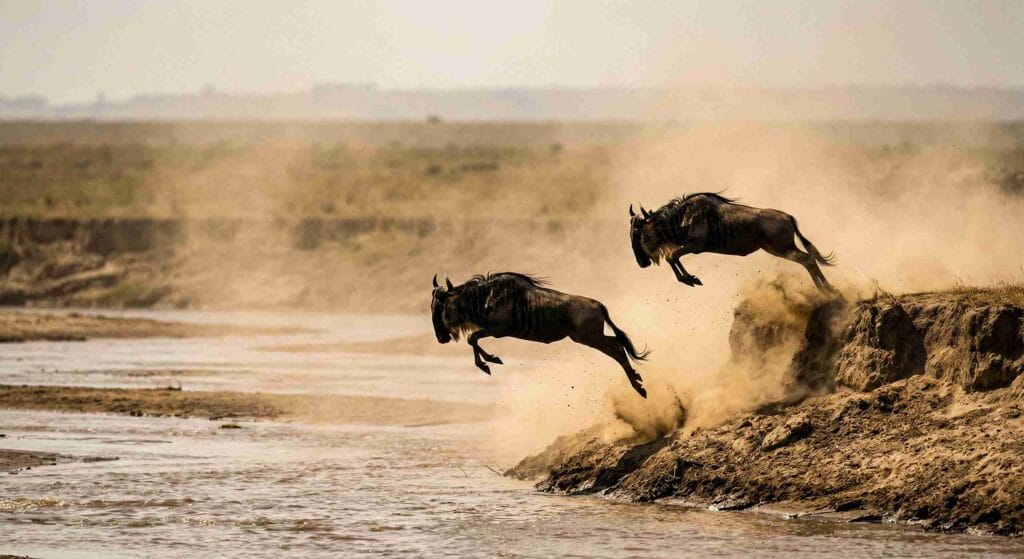
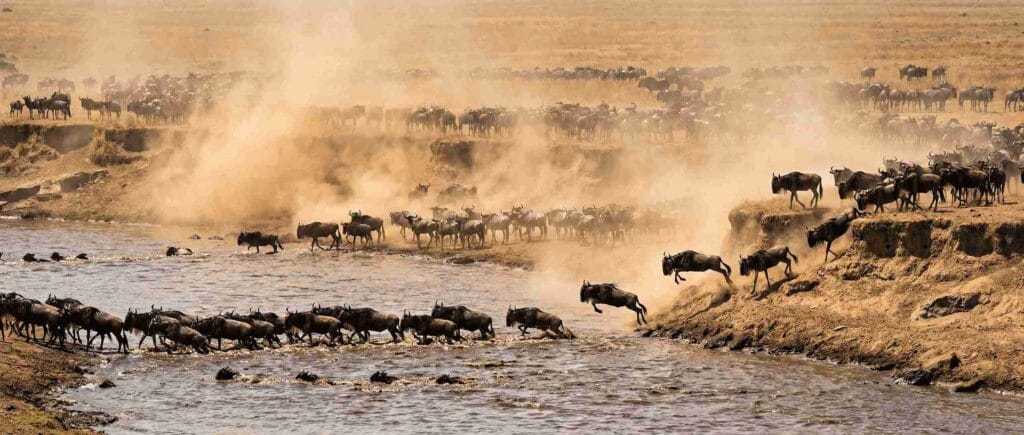
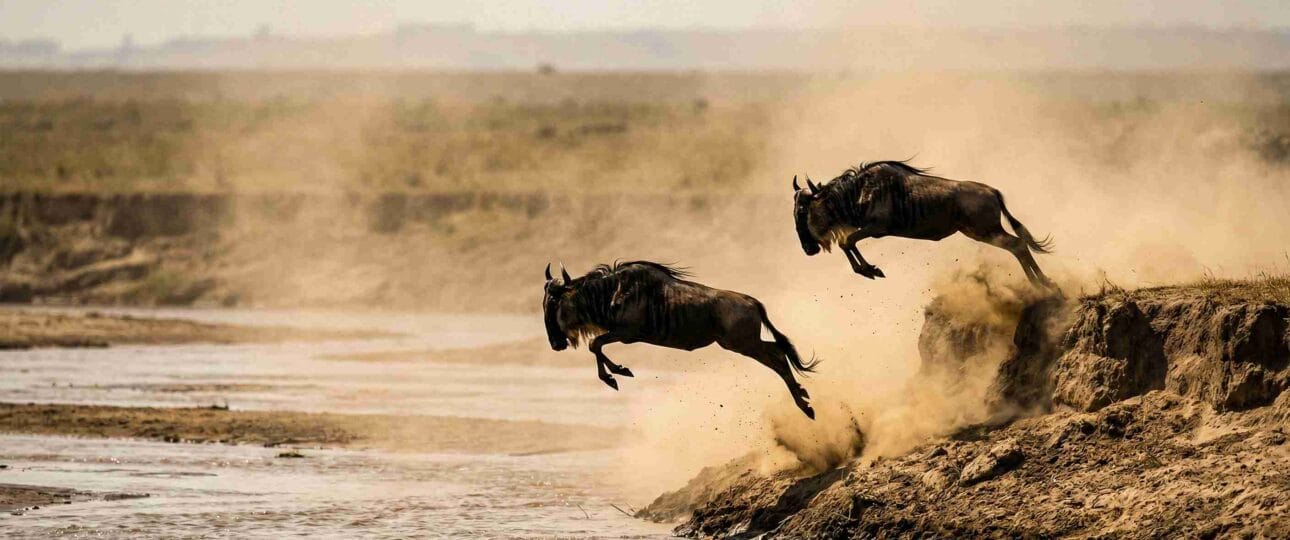
This is what most people picture when they think “Kenya safari.” By July, millions of wildebeest, zebra, and gazelle have poured into the Masai Mara from Tanzania’s Serengeti. The Mara River crossings — wildebeest plunging into crocodile-filled water in their thousands — are happening almost daily at the best crossing points.

It is extraordinary. It is also the most expensive time to visit, and the busiest. Popular camps book out 6–12 months in advance. If you want peak season, book early and go with a guide who knows exactly where to position you at the river.

What to expect:

  • Mara River crossings: frequent and dramatic
  • Big Five sightings: daily
  • Crowds: highest of the year — go with an operator who knows the less-visited crossing points
  • Prices: highest of the year — park fees alone are $200/person/day from July 2026
  • Booking lead time: 6–12 months minimum

Best for: Bucket-list travellers who specifically want the river crossings and don’t mind the cost.

September – October: The Sweet Spot

September and October may be the best months to visit Kenya for a safari — and many experienced Africa travellers know it.

The migration is still in Kenya. River crossings are still happening, often with fewer competing vehicles than in August. The landscape is beginning to dry again, making wildlife more concentrated. Prices start to ease slightly from their August peak, and booking lead times are shorter (3–6 months out is usually fine).

October adds the bonus of the short-rain season beginning at the end of the month — which means dramatic skies for photography, fresher mornings, and the first hints of green grass returning.

Best for: Travellers who want the migration experience without the August crowds, and the best value within peak season.

November: Green Season Returns

The short rains arrive in November. The herds begin moving south back to Tanzania. Masai Mara is quieter, greener, and significantly cheaper. Bird-watching is excellent — migratory birds arrive from Europe and Asia. The short rains are usually afternoon showers, not all-day downpours, so game drives in the morning are often excellent.

Best for: Budget-conscious travellers, birders, and anyone who wants a quieter, more intimate safari experience.

December: Festive Season

December sees prices rise again over the Christmas and New Year period as international visitors arrive. Wildlife is good — Kenya’s resident animals (Big Five, cheetah, wild dog) are year-round. The Masai Mara is green and beautiful. Amboseli and Tsavo are excellent. It’s a wonderful time to visit if you’re travelling with family over the holidays.

Best for: Family holidays, beach-and-safari combinations (Diani Beach is perfect in December), and honeymooners.


Best Time for Your Specific Goal

Your Goal Best Months
See the Great Migration river crossings July – October (peak: August)
Big Five (lion, leopard, elephant, buffalo, rhino) Year-round — best in dry season (Jan–Mar, Jul–Oct)
Kilimanjaro views at Amboseli January – March (clearest skies)
Best value / lowest prices April, November (40–50% cheaper than peak)
Family safari with children January – March or June (school holidays, not too hot)
Honeymoon safari September – October or January – February
Bird-watching November – April (migratory species present)
Cheetah & predator action July – October (grass is shorter, predators visible)
Green season photography April – May, November
December / Christmas safari December 15 – January 5 (book 3–6 months ahead)

How Far in Advance Should You Book?

This depends heavily on when you want to travel:

  • July and August — book 9–12 months in advance. The best camps near the Mara River sell out a year ahead.
  • September and October — book 4–6 months ahead. More availability than peak, but good camps still fill up.
  • December/January/February — book 3–6 months ahead, especially for Christmas and New Year dates.
  • April, May, November — 1–3 months ahead is usually fine. You have more flexibility in the green season.

One rule applies year-round: the later you book, the fewer choices you have. The best guides, the closest camps to the river, and the most popular itineraries all get taken first.


What About the Weather?

Kenya sits on the equator, so temperatures are mild year-round — typically 20–28°C (68–82°F) during the day in the Masai Mara. Early mornings on game drives can be cool (bring a light fleece). It does not get unbearably hot like a desert safari.

Rain in Kenya is mostly predictable: long rains in April and May, short rains in November. Both seasons have their advantages — the parks are green, uncrowded, and cheap. The rain usually falls in the afternoon, so morning game drives are unaffected.


Ready to Plan Your Kenya Safari?

Every traveller’s ideal safari is different. Tell us your travel dates, budget, and what you most want to see — we’ll send you a custom itinerary within 24 hours, with no obligation and no pushy sales approach. We’re a Kenyan-owned team that has run 500+ safaris and knows these parks intimately.

Get your free custom safari quote →


Frequently Asked Questions

Is Kenya safe for tourists?

Yes. Kenya’s national parks and safari areas are safe and well-managed. The Masai Mara, Amboseli, Tsavo, and Samburu are visited by hundreds of thousands of international tourists annually. As with any destination, standard travel precautions apply: use a reputable operator, keep valuables secure, and follow your guide’s instructions in the parks.

Do I need a visa for Kenya?

Kenya operates an Electronic Travel Authorisation (eTA) system for most nationalities. Apply online at etakenya.go.ke before travel. The eTA is typically approved within 3 working days and costs around $30 USD.

What vaccinations do I need for Kenya?

Yellow fever vaccination is required if arriving from a yellow fever endemic country. Hepatitis A, typhoid, and malaria prophylaxis are recommended. Consult your doctor or a travel health clinic at least 4–6 weeks before travel.

Can I combine a Kenya safari with a beach holiday?

Absolutely — and it’s one of the most popular itineraries. Diani Beach on Kenya’s south coast is a world-class beach destination, just a short flight from Nairobi. Most visitors do 5–7 days of safari followed by 3–5 days at the beach. We can arrange the full combination.


Comments

Leave a Reply

Your email address will not be published. Required fields are marked *