
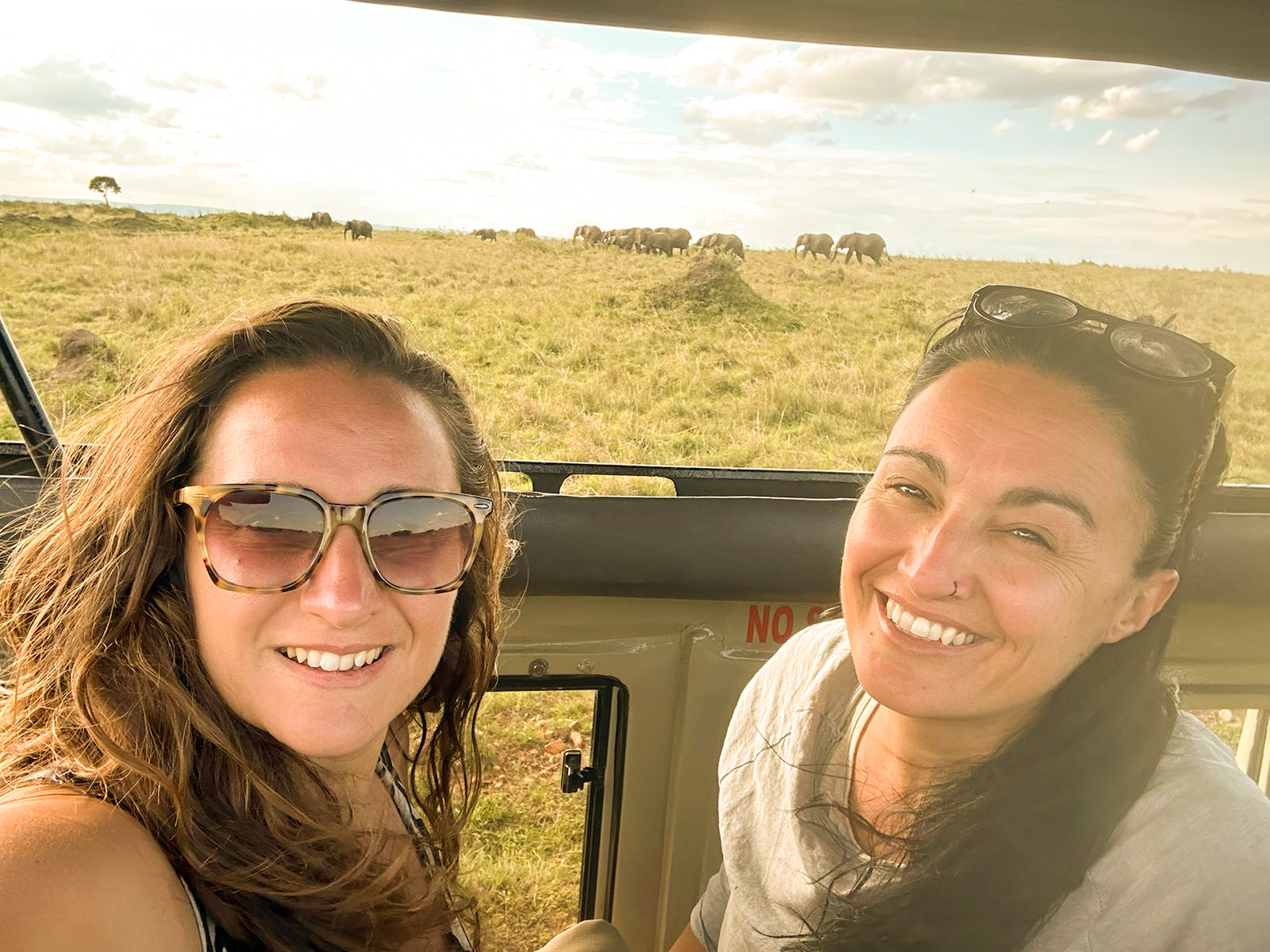
Organizing a safari for three generations at once, grandparents, parents, and kids, is a different job than booking a couple’s trip. Someone has to think about nap schedules and mobility at the same time, keep a group of eight or ten people happy across ten days, and figure out which camps will actually welcome a six year old. This is what that planning actually looks like, and how to get it right the first time.
Is Kenya actually a good fit for a multi-generation trip?
Yes, more than most people expect. Kenya has no single legal minimum age for going on safari. Instead, individual camps and lodges set their own age policies, and this varies a lot. Many family-friendly camps accept children from age five, some set the bar at six, eight, or twelve, and a handful of open-vehicle Maasai Mara camps do not take children under five at all because of early starts and open sided vehicles near wildlife. None of this is standardized, so the real rule is simple: confirm every camp’s minimum age in writing before you book, rather than assuming.
For most families we work with, ages eight to twelve turn out to be the easiest window, old enough to sit through a full game drive and genuinely engage with it, young enough that grandparents can still keep up. Below that age, it is not impossible, it just needs more deliberate camp selection.
Choosing accommodation that actually works for a group
The single biggest planning mistake we see is booking a family group into standard double rooms scattered across a lodge. It technically works, but it loses the point of traveling together. A few better options:
Family suites or two and three bedroom units, common at mid-range and upscale camps, keep everyone under one roof with shared living space, which matters enormously when a toddler’s bedtime does not match a teenager’s.
Connecting or adjacent rooms are the fallback when a dedicated family unit is not available, and they work fine, they just do not give you the shared common space a proper suite does.
For larger multi-generation groups, a full camp or lodge buyout is worth pricing out. It is not just about privacy, it gives you flexibility to run one relaxed group game drive some days and split into smaller, faster-paced drives on others, without disturbing other guests.
Activities that work across three generations
A good multi-generation itinerary is not one activity everyone tolerates, it is a mix where each generation gets something built for them.
Game drives are the anchor and work for most ages six and up at family-friendly camps, with some properties setting the bar higher. Morning drives tend to suit older grandparents best, since afternoon heat and longer drives are more tiring.
Kids’ programs exist at a growing number of Kenyan camps, ranger-style junior activities that combine short wildlife walks, tracking games, and basic photography, usually for ages four through early teens, giving parents a window to do a longer drive without little ones in tow.
Cultural visits, a Maasai village, a local market, tend to land well with every age group at once, since they are unhurried and conversational rather than physically demanding.
A hot air balloon safari over the Maasai Mara is a genuine multi-generation highlight, and it is priced per person rather than by room, so it does not carry the single supplement logic that trips up solo or couple pricing.
Walking safaris and night drives are the two activities most likely to have a firmer age minimum, often young teens and up, so treat these as optional add-ons for the older kids and adults rather than something the whole group does together.
What an 8 to 10 day family circuit actually looks like
A typical multi-generation itinerary we build runs close to our 8-Day Classic Kenya Safari: Nairobi arrival and rest, then Amboseli for elephant herds against Kilimanjaro, a stop at Lake Naivasha or Lake Nakuru for an easier, lower-energy day with a boat ride or flamingo viewing, and several days in the Maasai Mara itself. The Naivasha or Nakuru stop matters more than it sounds, it gives grandparents a lighter day between the more demanding legs, and kids get a change of pace from vehicle-based game viewing.
For groups who want a fuller circuit with more parks and a bit more breathing room between drives, our 10-Day Kenya Safari covers more ground at a gentler daily pace, which tends to suit larger, more age-mixed groups better than a tightly packed shorter trip.
Budgeting for a family or multi-generation safari
Mid-range family safaris in Kenya, quality lodges with pools, family suites, and a private vehicle throughout, typically run 1,500 to 3,500 dollars per person, covering accommodation, meals, park fees, game drives, and road transfers from Nairobi. Where this differs from a couple’s trip is mostly in two places: family suites often carry a modest premium over standard doubles, and many operators offer discounted rates for children under twelve, so a family of four is rarely simply four times the per-person adult rate.
For a full breakdown by trip length and budget level, our Kenya safari cost guide walks through exact pricing, and it is worth asking directly about child discounts and family suite pricing when you request a quote, since these vary a lot operator to operator.
Booking tips for organizing a bigger, mixed-age group
Start camp selection with age policies, not room availability. It is much easier to find rooms at a camp that already welcomes young children than to talk a strict camp into an exception.
Build in at least one lighter day for every two or three active ones. A multi-generation trip that runs at a twenty-five year old’s pace for ten straight days will wear out the rest of the group by day four.
Ask about medical support and evacuation cover specifically if anyone in the group has mobility limits or health considerations, most camps have trained staff and a clear evacuation plan, but it is worth confirming rather than assuming, and travel insurance with medical evacuation is worth arranging for the whole group.
Let us know the age range and any mobility needs upfront when you request a quote. It changes which camps we recommend more than almost anything else in the planning.
Common questions
What is the minimum age for a Kenya safari? There is no single legal minimum. It depends entirely on the camp, with many accepting children from five, some from six, eight, or twelve. Always confirm in writing before booking.
Is a family safari much more expensive than a couple’s trip? Per person, it is usually similar to a standard mid-range safari, sometimes slightly higher for a private family suite, offset by child discounts on the youngest travelers.
How long should a multi-generation trip be? Eight to ten days tends to work best. It is long enough to include a lighter recovery day between game-viewing legs, without asking grandparents or young children to keep up a demanding pace for two straight weeks.
You can read more about how we plan and run these trips on our About Us page. When you are ready, plan your family safari and tell us the ages in your group so we can start with camps that will actually work for everyone.
Leave a Reply