
Introduction
Most travelers hear “Kenya safari” and immediately picture the Maasai Mara: lions on open plains, wildebeest crossings, and safari vehicles gathered around big-cat sightings. But north of Mount Kenya, Laikipia offers a quieter and more varied kind of safari.
A Laikipia conservancies safari is ideal for travelers who want rare wildlife, lower visitor numbers, and activities that are often not allowed in national parks. Here, you can track rhino on foot with trained rangers, ride on horseback near giraffe and zebra, take a night drive in search of nocturnal animals, or stay in small lodges where conservation and community impact are central to the experience.
This guide explains what the Laikipia conservancies are, where they are located, which conservancy is best for your safari style, what wildlife you can expect to see, when to visit, how to get there, and how to choose the right itinerary.
Key Takeaways
- Laikipia is a vast plateau in central Kenya made up of private and community-owned wildlife conservancies.
- Unlike national parks, many Laikipia conservancies allow walking safaris, night drives, horseback safaris, camel safaris, and off-road game viewing.
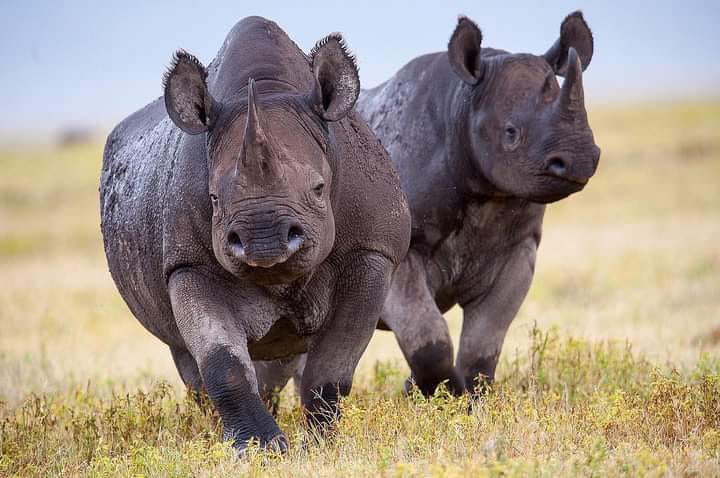
- Laikipia is one of Kenya’s most important regions for black rhino conservation.
- Top conservancies include Lewa, Ol Pejeta, Borana, Loisaba, Solio, Mugie, El Karama, and Ol Jogi.
- The region is excellent for rhino, elephant, Grevy’s zebra, reticulated giraffe, African wild dog, leopard, lion, and rare northern Kenya species.
- The best time to visit Laikipia is generally during the dry seasons from July to September and December to March.
- Most visitors fly from Nairobi’s Wilson Airport to a private conservancy airstrip, although road transfers are also possible.
- Laikipia pairs well with the Maasai Mara, Samburu, Amboseli, or Mount Kenya.
What Are the Laikipia Conservancies?
The Laikipia conservancies are a network of privately managed and community-managed wildlife areas spread across the Laikipia Plateau in central Kenya. Unlike the Maasai Mara National Reserve, Amboseli National Park, or Tsavo, Laikipia is not one single government-run park. It is a collection of ranches, private reserves, community lands, and conservation areas that work together to protect wildlife while supporting tourism and local communities.
This conservancy model is what makes Laikipia different. Each property manages its own tourism rules, conservation programs, visitor numbers, and community partnerships. As a result, the safari experience can vary widely from one conservancy to another.
Some conservancies, such as Ol Pejeta, are highly focused on tourism, rhino conservation, and wildlife protection. Others, such as Mugie and El Karama, combine wildlife tourism with working ranches, showing how livestock, people, and wildlife can share the same landscape.
A wildlife conservancy is a privately or community-managed area set aside for conservation and low-impact tourism. Because these areas are not bound by the same restrictions as many national parks, visitors often enjoy a wider range of safari activities, including walking, night drives, horseback riding, camel trekking, and more flexible game viewing.
Where Is Laikipia Located in Kenya?
Laikipia is located in central Kenya, north and west of Mount Kenya. The region stretches across a high plateau between the greener landscapes of central Kenya and the drier northern frontier.
This location gives Laikipia a distinctive mix of habitats. You will find open grassland, acacia woodland, rocky hills, river valleys, and semi-arid scrub. That variety explains why the region supports such a rich wildlife list, including both classic safari animals and species more commonly associated with northern Kenya.
Nanyuki is the main gateway town for Laikipia. Many travelers pass through Nanyuki when arriving by road, while fly-in safaris usually land directly at private airstrips inside or near individual conservancies.
Laikipia is rarely visited as a stand-alone destination. Most travelers combine it with the Maasai Mara, Samburu, Amboseli, Mount Kenya, or other safari regions. This makes it especially valuable for travelers who want a Kenya safari itinerary with more variety than a single park can offer.
Why Choose a Laikipia Safari?
A Laikipia safari is best for travelers who want more than standard game drives. While traditional vehicle safaris are excellent here, the region’s biggest advantage is activity diversity.
In Laikipia, you can often:
- Track rhino on foot with armed rangers.
- Join guided walking safaris.
- Go on night drives.
- Ride horses across open plains.
- Take camel safaris.
- Visit conservation projects.
- Learn about community-owned conservation.
- Enjoy lower visitor density than in busier reserves.
For repeat safari travelers, Laikipia offers a refreshing change from more famous destinations. For first-time visitors, it works especially well when paired with the Maasai Mara or Amboseli, adding rare wildlife and private-conservancy experiences to a classic Kenya itinerary.
Why Laikipia Matters for Conservation
Laikipia is one of Kenya’s most important conservation landscapes. Its conservancies protect large populations of endangered and threatened species, including black rhino, Grevy’s zebra, African wild dog, and reticulated giraffe.
The region is especially important for rhino conservation in Kenya. Conservancies such as Ol Pejeta, Lewa, Borana, and Solio have invested heavily in anti-poaching patrols, ranger teams, fencing, monitoring, and community engagement. These efforts have made Laikipia one of the best places in Kenya to see rhino.
Laikipia also supports strong elephant populations and important predator habitats. Lion, leopard, cheetah, hyena, and wild dog can all be found in parts of the region, although sightings vary by conservancy.
The conservation model matters because tourism revenue helps fund wildlife protection and local community projects. Many conservancies support schools, healthcare, employment, security, grazing agreements, and water access for surrounding communities.
Best Laikipia Conservancies to Visit
There is no single best Laikipia conservancy for every traveler. The right choice depends on what you want most: rhino sightings, luxury lodges, family-friendly activities, horseback safaris, photography, walking safaris, or privacy.
Lewa Wildlife Conservancy
Lewa Wildlife Conservancy is one of Kenya’s best-known private conservancies and a major rhino conservation success story. It is especially strong for black and white rhino, Grevy’s zebra, elephant, buffalo, giraffe, and plains game.
Lewa is a good choice for travelers who want a polished safari experience with strong conservation credentials. It offers excellent game drives, guided walks, rhino-focused experiences, and high-quality lodges.
Best for: rhino conservation, luxury safari stays, walking safaris, first-time Laikipia visitors, and conservation-focused travelers.
Ol Pejeta Conservancy
Ol Pejeta Conservancy is one of the most popular and accessible conservancies in Laikipia. It is known for its rhino population, Big Five sightings, and the Sweetwaters Chimpanzee Sanctuary.
Ol Pejeta is a strong option for first-time visitors because it combines reliable wildlife, good infrastructure, and a wide range of accommodation. It is also one of the best places in Kenya to learn about endangered species protection.
Best for: rhino sightings, Big Five safaris, families, first-time safari travelers, chimpanzee sanctuary visits, and accessible conservancy safaris.
Borana Conservancy
Borana Conservancy borders Lewa and forms part of an important connected wildlife landscape. The conservancy is known for low visitor density, strong scenery, excellent guiding, rhino conservation, and horseback safaris.
Borana is a good fit for travelers who want a quieter and more exclusive Laikipia safari. Its open landscapes and small number of camps help create a more private experience.
Best for: horseback safaris, low-density tourism, rhino, predators, luxury lodges, and experienced safari travelers.
Loisaba Conservancy
Loisaba Conservancy is one of Laikipia’s most scenic safari areas. It is known for wide views, rocky outcrops, wildlife corridors, camel safaris, horseback riding, and its famous star beds.
Loisaba offers a strong mix of adventure and comfort. It is a particularly good choice for travelers who want something more unusual than a conventional lodge-based safari.
Best for: star beds, camel safaris, horseback riding, landscapes, photography, and romantic or adventurous safaris.
Solio Conservancy
Solio Conservancy is one of Kenya’s oldest and most reliable rhino sanctuaries. It is particularly good for travelers who want strong chances of seeing both black and white rhino.
Because Solio is highly focused on rhino conservation, it works well as a shorter safari stop or as part of a broader central Kenya itinerary.
Best for: rhino sightings, short Laikipia safari add-ons, photography, and travelers prioritizing endangered species.
Mugie Conservancy
Mugie Conservancy offers a blend of wildlife conservation, ranching, community engagement, and low-impact tourism. It is less famous than Lewa or Ol Pejeta, which can make it appealing for travelers seeking a quieter experience.
Best for: low-key safari stays, conservation-ranching models, families, birding, and travelers wanting fewer crowds.
El Karama Conservancy
El Karama Conservancy is a smaller, owner-run conservancy with a relaxed and personal feel. It combines wildlife, ranch life, family-friendly activities, and hands-on nature experiences.
Best for: families, authentic owner-run lodges, nature walks, children’s safari activities, and slower-paced itineraries.
Ol Jogi Conservancy
Ol Jogi Conservancy is a private and exclusive conservancy known for high-end safari experiences, wildlife rehabilitation, and strong predator habitat. It usually suits travelers looking for privacy and exclusivity rather than a standard lodge circuit.
Best for: exclusive-use safaris, luxury travelers, privacy, predators, and specialist wildlife experiences.
What Wildlife Can You See in Laikipia?
Laikipia is one of Kenya’s richest wildlife regions because it combines central Kenya, northern Kenya, and savanna ecosystems. Wildlife varies by conservancy, but the region is known for both iconic safari species and rarer animals.
Common and notable Laikipia wildlife includes:
| Wildlife | Best Areas in Laikipia |
|---|---|
| Black rhino | Ol Pejeta, Lewa, Borana, Solio |
| White rhino | Ol Pejeta, Lewa, Solio |
| Elephant | Ol Pejeta, Lewa, El Karama, Loisaba |
| Lion | Ol Pejeta, Borana, Lewa, Ol Jogi |
| Leopard | Several conservancies, especially rocky and wooded areas |
| Cheetah | Open plains in selected conservancies |
| Grevy’s zebra | Lewa, Loisaba, Mugie |
| Reticulated giraffe | Widespread across northern conservancies |
| African wild dog | Borana, Lewa, Ol Jogi and surrounding landscapes |
| Buffalo | Larger conservancies across Laikipia |
| Striped hyena | Drier northern areas |
| Birdlife | Wetlands, grasslands, woodlands, and ranch landscapes |
Laikipia is especially valuable if you want to see species that are harder to find in southern Kenya, such as Grevy’s zebra, reticulated giraffe, gerenuk, and African wild dog.
Rhino Tracking in Laikipia
Rhino tracking in Laikipia is one of the region’s signature safari experiences. In selected conservancies, guests can join trained rangers and trackers to follow rhino on foot, learning how they move, feed, and use the landscape.
This is not the same as a normal walking safari. Rhino tracking is carefully managed, with safety protocols and experienced guides. It gives travelers a deeper understanding of rhino conservation and the daily work required to protect these endangered animals.
The best Laikipia conservancies for rhino-focused safaris include:
- Ol Pejeta Conservancy
- Lewa Wildlife Conservancy
- Borana Conservancy
- Solio Conservancy
For travelers who specifically want a Kenya rhino safari, Laikipia is one of the strongest regions to consider.
Safari Activities in Laikipia Conservancies
The activities available in Laikipia are one of the main reasons travelers choose the region over, or alongside, Kenya’s national parks.
Game Drives
Daytime game drives remain the foundation of most Laikipia safaris. They are the best way to cover ground, search for predators, and see a wide range of wildlife in a short time.
Night Drives
Night drives allow guests to search for nocturnal wildlife after dark. Depending on the conservancy, you may see animals such as hyena, genet, civet, aardvark, bushbaby, porcupine, or hunting predators.
Night drives are one of the biggest advantages of private conservancies because they are restricted or unavailable in many national parks and reserves.
Walking Safaris
Guided walking safaris are a major highlight in Laikipia. Instead of focusing only on large animals, walking safaris reveal tracks, plants, insects, birds, bones, dung, and smaller ecological details that are easy to miss from a vehicle.
Horseback Safaris
A horseback safari in Laikipia is one of Kenya’s most memorable safari experiences. Conservancies such as Borana and Loisaba are particularly well known for riding safaris.
Horseback safaris are best suited to confident riders, although some properties may offer gentler options depending on experience level.
Camel Safaris
Camel safaris are most associated with the drier landscapes of northern Kenya and parts of Laikipia. They offer a slower, quieter way to move through the bush and are ideal for adventurous travelers.
Conservation Experiences
Many Laikipia conservancies offer behind-the-scenes conservation activities, such as ranger briefings, anti-poaching introductions, community visits, wildlife monitoring discussions, or rhino conservation talks.
Photography
Laikipia is excellent for photography because of its varied landscapes, lower vehicle density, and flexible conservancy rules. Photographers benefit from fewer crowds, better positioning, and opportunities for unique activities such as walking, riding, and night photography.
Laikipia vs Maasai Mara: Which Is Better?
Laikipia and the Maasai Mara are very different safari destinations. One is not automatically better than the other; the best choice depends on your priorities.
| Factor | Laikipia Conservancies | Maasai Mara |
|---|---|---|
| Visitor density | Generally lower | Can be high in peak season |
| Main experience | Private conservancies, rare species, varied activities | Predator sightings and migration |
| Activities | Game drives, walking, night drives, horseback, camel safaris | Mostly game drives in the main reserve |
| Signature wildlife | Rhino, Grevy’s zebra, wild dog, reticulated giraffe | Lion, cheetah, leopard, wildebeest migration |
| Best for | Repeat travelers, rhino, privacy, activity variety | First-time safari, big cats, migration |
| Ideal itinerary role | Combine with Mara, Samburu, or Mount Kenya | Anchor destination for classic Kenya safari |
For many travelers, the best answer is to visit both. The Maasai Mara delivers classic big-cat drama and migration viewing in season, while Laikipia adds rhino conservation, walking safaris, night drives, horseback riding, and lower-density private conservancy experiences.
Best Time to Visit Laikipia
The best time to visit Laikipia is usually during the dry seasons:
- July to September
- December to March
During these months, vegetation is thinner and wildlife is often easier to see around water sources. These periods also work well for photography, walking safaris, and multi-destination Kenya itineraries.
The wetter months can still be rewarding. April to June may bring greener landscapes, dramatic skies, birdlife, and fewer visitors, although some roads may be more challenging after heavy rain.
Because Laikipia sits at a higher altitude than many other safari regions, mornings and evenings can be cool. Travelers should pack layers even when visiting during warmer months.
How to Get to Laikipia
Most travelers reach Laikipia by light aircraft from Nairobi’s Wilson Airport. Flights usually land at private or nearby conservancy airstrips, making fly-in safaris the fastest and easiest option.
A typical flight from Nairobi to Laikipia takes around 30 to 50 minutes, depending on the airstrip.
Driving is also possible. Road transfers from Nairobi usually take several hours depending on the specific conservancy, traffic, and road conditions. Driving can work well for travelers combining Laikipia with Mount Kenya, Aberdare, Samburu, or other central Kenya destinations.
How Much Does a Laikipia Safari Cost?
A Laikipia safari cost varies widely depending on the conservancy, lodge, season, flight arrangements, and level of exclusivity.
In general, Laikipia tends to sit in the mid-range to luxury safari category because many camps are small, conservation-focused, and located on private land. Rates may include accommodation, meals, game drives, conservancy fees, guided activities, and sometimes transfers, but inclusions differ by lodge.
Factors that affect cost include:
- Travel season
- Camp or lodge category
- Fly-in vs road transfer
- Private guide or shared activities
- Number of nights
- Conservation fees
- Family or private-use arrangements
- Special activities such as horseback riding or rhino tracking
For the best value, travelers should choose the conservancy first based on experience, then compare lodge options within that area.
Is Laikipia Good for Families?
Yes, Laikipia can be excellent for families. Many conservancies offer a calmer safari experience than crowded parks, and some lodges provide family tents, flexible meal times, shorter activities, nature walks, and junior ranger-style programs.
Laikipia is especially good for families who want their children to learn about conservation, tracking, wildlife behavior, and local communities rather than only sitting in a vehicle for long game drives.
Families should check age restrictions before booking, especially for walking safaris, horseback safaris, camel safaris, and rhino tracking.
Is Laikipia Good for First-Time Safari Travelers?
Laikipia can work very well for first-time safari travelers, especially when paired with a more classic safari destination such as the Maasai Mara or Amboseli.
For a first Kenya safari, a strong itinerary might include:
- Maasai Mara for big cats and open savanna.
- Laikipia for rhino, walking safaris, night drives, and conservancy experiences.
- Samburu for northern species and dry-country landscapes.
- Amboseli for elephants and Mount Kilimanjaro views.
Laikipia is particularly useful for first-timers who want variety, privacy, and activities beyond standard game drives.
How Many Nights Should You Spend in Laikipia?
Most travelers should plan for two to four nights in Laikipia.
A two-night stay gives enough time for game drives and one special activity such as rhino tracking or a walking safari. A three-night stay is better for a balanced experience, especially if you want night drives, conservation visits, and time to relax. Four nights or more works well for photographers, riders, families, or travelers staying in a more remote conservancy.
Suggested Laikipia itinerary lengths:
| Trip Style | Recommended Stay |
|---|---|
| Short add-on safari | 2 nights |
| Balanced Laikipia experience | 3 nights |
| Family safari | 3–4 nights |
| Horseback or walking-focused safari | 4+ nights |
| Luxury private conservancy stay | 3–5 nights |
How to Choose the Best Laikipia Conservancy
Choose your Laikipia conservancy based on your main safari priority.
| Priority | Best Conservancy Options |
|---|---|
| Rhino sightings | Ol Pejeta, Lewa, Solio, Borana |
| Walking safaris | Lewa, Borana, Ol Pejeta, El Karama |
| Horseback safaris | Borana, Loisaba |
| Camel safaris | Loisaba |
| Family safari | Ol Pejeta, El Karama, Mugie, Lewa |
| Luxury safari | Lewa, Borana, Loisaba, Ol Jogi |
| Low visitor density | Borana, Mugie, El Karama, Ol Jogi |
| First-time safari | Ol Pejeta, Lewa |
| Photography | Lewa, Borana, Loisaba, Ol Pejeta |
| Conservation focus | Ol Pejeta, Lewa, Borana, Solio |
The biggest mistake is choosing only by lodge price. In Laikipia, the conservancy experience matters just as much as the accommodation.
Planning a Laikipia Safari: Practical Tips
Before booking your Laikipia safari, decide what kind of experience matters most to you. Do you want rhino tracking, horseback riding, luxury accommodation, family activities, rare species, or privacy?
Once you know your priorities, it becomes much easier to choose the right conservancy and lodge.
Also consider:
- Whether you want to fly or drive.
- How Laikipia fits with the Maasai Mara, Samburu, or Amboseli.
- Whether your lodge includes conservancy fees.
- Which activities are included and which cost extra.
- Age restrictions for children.
- Seasonal weather and road conditions.
- Packing needs for cool mornings and evenings.
- Whether you need a private vehicle or guide.
A Kenya-based safari specialist can help match your travel style, budget, and season to the best conservancy.
Suggested Laikipia Safari Itinerary
A strong first-time Laikipia safari itinerary could look like this:
Day 1: Nairobi to Laikipia
Fly from Nairobi Wilson Airport to your conservancy airstrip. Arrive at camp, settle in, and enjoy an afternoon game drive.
Day 2: Rhino Tracking and Game Drive
Start with a guided rhino tracking experience or conservation-focused game drive. In the afternoon, explore a different section of the conservancy.
Day 3: Walking Safari or Horseback Safari
Take a walking safari, horseback safari, camel safari, or conservation visit depending on your chosen conservancy. End with a sundowner or night drive.
Day 4: Laikipia to Maasai Mara, Samburu, or Nairobi
Fly onward to another safari destination or return to Nairobi.
Final Thoughts
A Laikipia conservancies safari is one of the best ways to experience a more private, flexible, and conservation-focused side of Kenya.
The Maasai Mara may be Kenya’s most famous safari destination, but Laikipia offers something different: rhino tracking on foot, night drives, horseback safaris, camel safaris, rare northern species, and small conservancy lodges with fewer vehicles.
For travelers who want more than a standard game drive itinerary, Laikipia is one of Kenya’s strongest safari regions. Choose Lewa or Ol Pejeta for reliable rhino and conservation, Borana or Loisaba for adventure and exclusivity, Solio for rhino sightings, or El Karama and Mugie for a more relaxed and family-friendly conservancy experience.
Whether you visit Laikipia on its own or combine it with the Maasai Mara, Samburu, Amboseli, or Mount Kenya, it adds depth, variety, and purpose to a Kenya safari.
Leave a Reply