
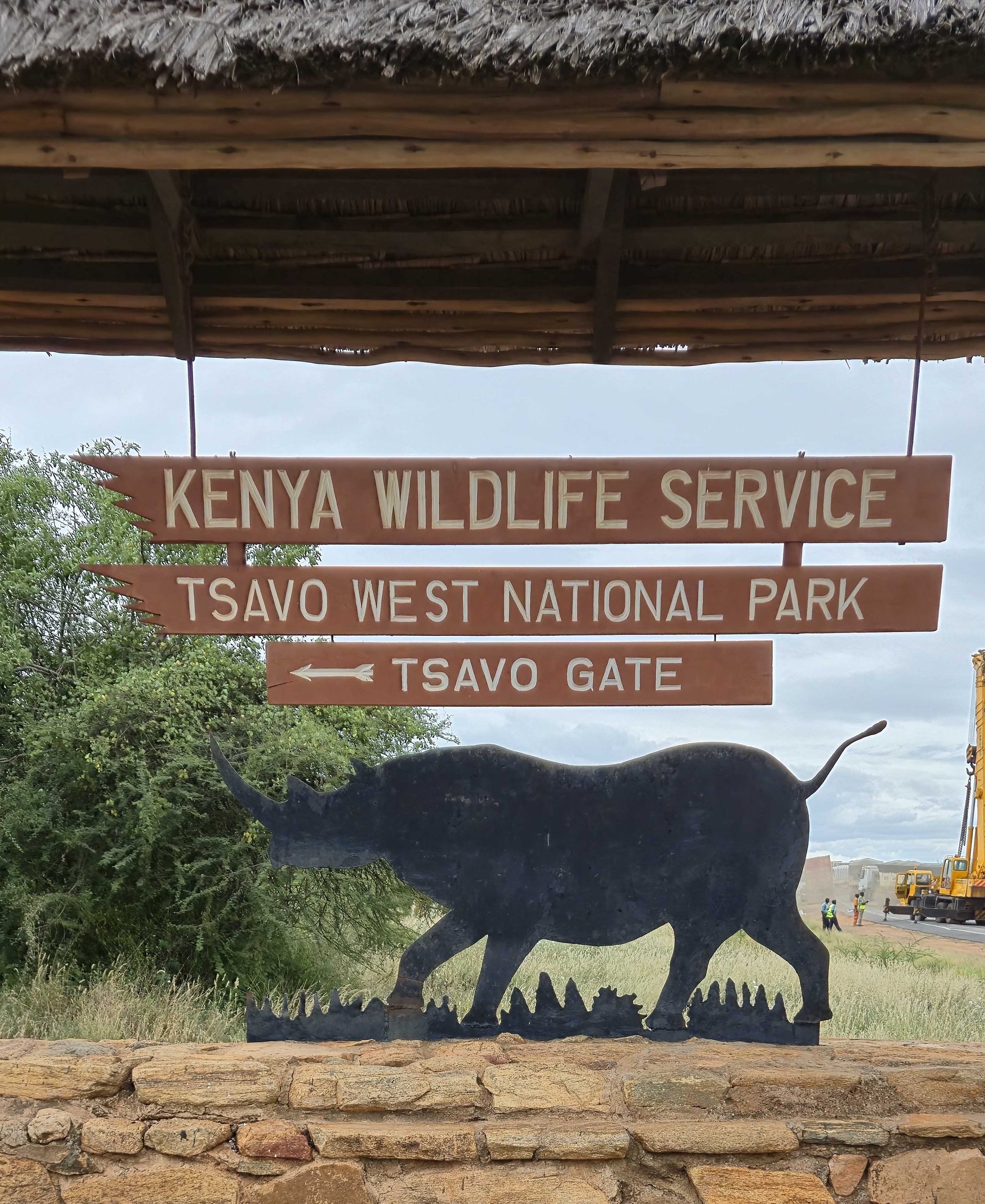
Tsavo doesn’t show up on as many first-time itineraries as the Masai Mara or Amboseli, and that’s honestly part of its appeal. It’s Kenya’s largest protected area by a wide margin, split into two parks that feel genuinely different from each other, and it comes with one of the most well-documented pieces of wildlife history anywhere in East Africa.
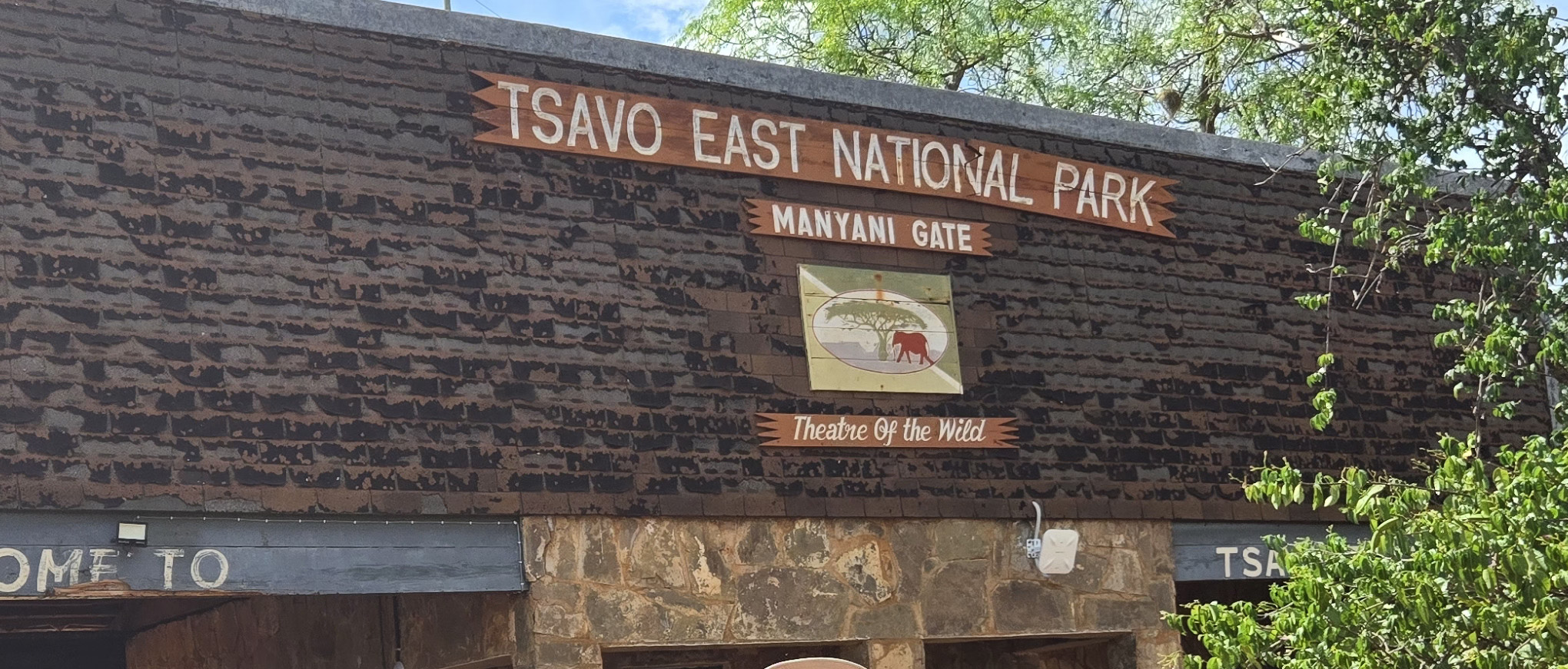
Tsavo East vs Tsavo West: Which One (Or Both)
Tsavo was established as a single park in 1948 and split administratively into East and West that same year. Combined, the two cover about 20,812 square kilometers, more than four times the size of the Masai Mara. They sit on either side of the Nairobi-Mombasa highway and are usually visited as a pair if time allows, but each has its own character.
| Tsavo East | Tsavo West | |
|---|---|---|
| Size | 13,747 km², one of the largest parks in Kenya on its own | 9,065 km² |
| Landscape | Flat, open, red-dust plains | Volcanic hills, denser vegetation, greener |
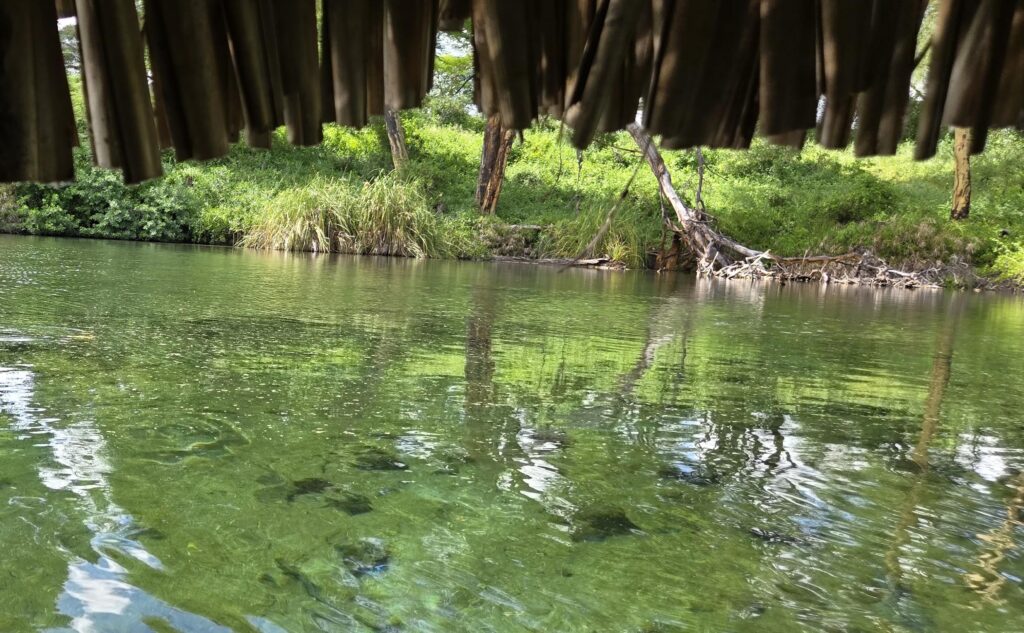
| Signature sight | “Red elephants,” their skin stained by the park’s iron-rich dust | Mzima Springs, crystal-clear pools with an underwater hippo and fish viewing chamber |
| Landmark feature | The Yatta Plateau, one of the longest lava flows on Earth | The Shetani Lava Flow and views toward the Chyulu Hills |
| Good for | Long-range game viewing across open plains, dramatic sunrise and sunset light | Scenic variety, black rhino at the Ngulia Sanctuary, better leopard odds in the thicker bush |
If you only have time for one, Tsavo East is the more classic open-plains safari experience and slightly easier to combine with a Mombasa or Diani beach extension. Tsavo West rewards a bit more time with more varied scenery and the novelty of Mzima Springs.
The Man-Eaters of Tsavo: A Story That’s Actually True
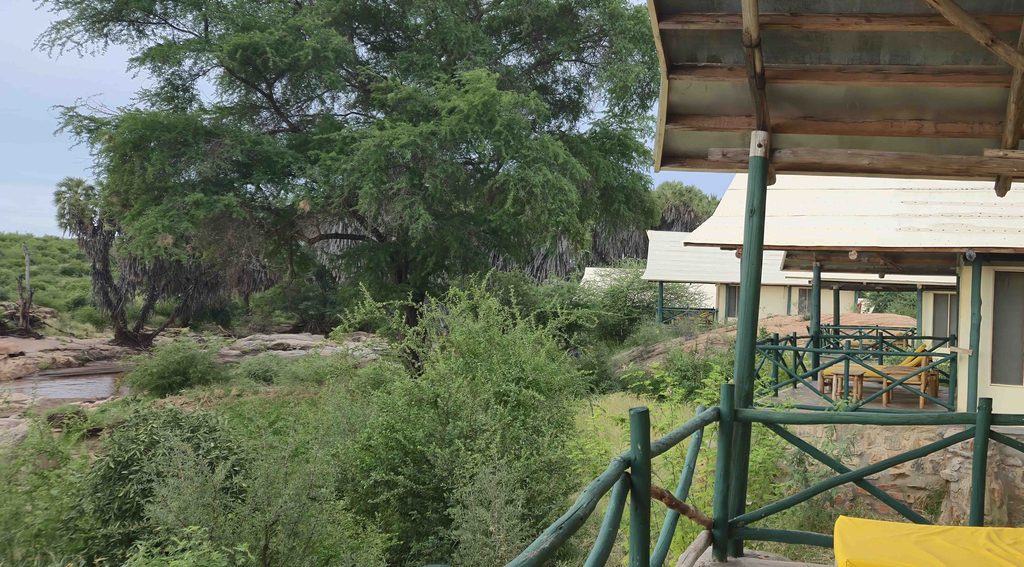
This is the part of Tsavo’s history that tends to surprise people who’ve only heard the movie title. In 1898, during construction of the Uganda Railway across what’s now Tsavo East, two male lions began stalking the workers’ camps at night, dragging people from their tents over a period of about nine months. At least 28 to 31 railway workers were confirmed killed, though local estimates at the time ran considerably higher, and the killings brought construction to a halt more than once as laborers fled the site, earning the project the nickname “the Lunatic Line.”
Lt. Col. John Henry Patterson, the engineer overseeing the railway, eventually hunted and killed both lions after weeks of failed attempts, including nights spent on makeshift platforms as bait. Patterson later sold the lions’ skins, and the mounted lions are now on permanent display at the Field Museum in Chicago, still drawing visitors more than a century later. The story became the basis for the 1996 film “The Ghost and the Darkness,” though the real account, pieced together from Patterson’s own writing and later research into what likely drove the lions’ unusual behavior (a rinderpest epidemic had wiped out much of their natural prey around that time) is arguably stranger than the dramatized version.
Tsavo National Park Entry Fees (2026/2027)
Tsavo East and Tsavo West fall under KWS’s “Wilderness” pricing tier, a step below the fees charged at the Masai Mara, Amboseli, or Lake Nakuru. Both parks charge identical rates.
| Category | Adult | Child |
|---|---|---|
| East African citizen | KSh 1,000 | KSh 500 |
| Kenya resident (foreign passport) | KSh 1,350 | KSh 675 |
| African citizen (non-EAC) | $40 | $20 |
| Non-resident | $80 | $40 |
A combined ticket covering Tsavo East, Tsavo West, and Amboseli is also available for $150 per non-resident adult ($80 child), worth considering if your itinerary covers more than one of the three. Vehicle fees follow the standard KWS scale (roughly KSh 600 per day for a standard safari vehicle), and fees are paid online through the KWS eCitizen portal, cash isn’t accepted at the gate.
Getting to Tsavo
| Route | Distance | Drive time |
|---|---|---|
| Nairobi to Tsavo East (Voi Gate) | ~328 km | Around 5 hours, more with Nairobi traffic |
| Nairobi to Tsavo West (Mtito Andei Gate) | ~232 km | 4 to 5 hours |
| Mombasa to Tsavo East (Buchuma Gate) | ~100 km | 2 to 3 hours |
| Mombasa to Tsavo West (Mtito Andei Gate) | ~210 km | 4 to 5 hours |
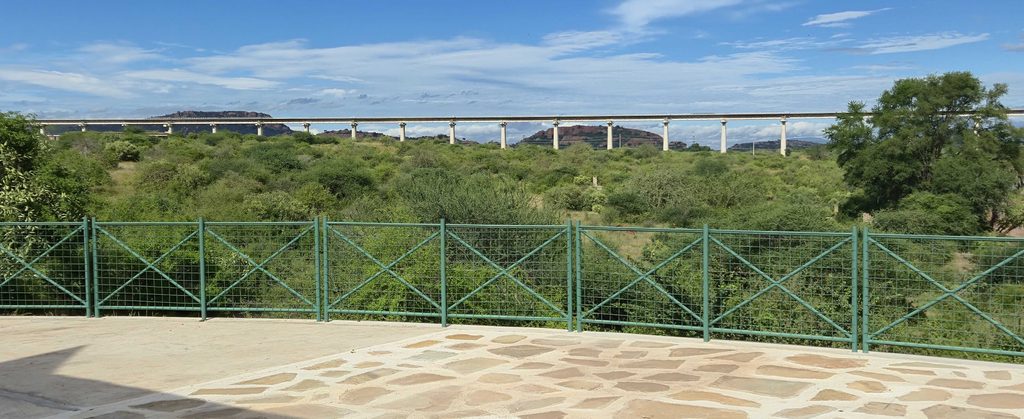
Both parks sit directly on the Nairobi-Mombasa highway, which makes Tsavo one of the easier parks to combine with a coastal extension, our own 10-day safari and beach escape itinerary uses that same corridor, just further south toward Diani. The Madaraka Express train also runs between Nairobi and Mombasa with stops at Voi and Mtito Andei, though you’d still need to arrange ground transport from the station into the park. Charter flights connect Nairobi’s Wilson Airport to airstrips inside both parks if you’d rather skip the drive entirely.
Best Time to Visit
The dry months, June through October and January into February, are the strongest for game viewing. Vegetation thins out and animals concentrate around the rivers and waterholes, making sightings more predictable. The wetter months (March to May, and November to December) bring lush green scenery and are quieter and less crowded, good for photographers who don’t mind trading some wildlife density for better light and fewer vehicles.
Where to Stay
| Park | Lodge/Camp | Style |
|---|---|---|
| Tsavo West | Finch Hattons Luxury Camp | High-end tented suites over natural springs |
| Tsavo West | Kilaguni Serena Safari Lodge | Kenya’s first in-park lodge, waterhole views |
| Tsavo West | Voyager Ziwani Camp | Night drives, Kilimanjaro views |
| Tsavo East | Satao Camp | Traditional tented camp on a waterhole |
| Tsavo East | Ashnil Aruba Lodge | Contemporary lodge overlooking Aruba Dam |
| Tsavo East | Manyatta Camp | Mid-range tented camp |
Planning Tsavo Into Your Kenya Safari
Tsavo works well both as a standalone 2 to 3 day safari and as an add-on to a longer itinerary, especially one that’s already heading toward the coast. If you’re building a trip and want to know whether Tsavo, Amboseli, or the Mara makes more sense for your dates and interests, browse our safari packages or get in touch and we’ll help you put together something that actually fits.
Frequently Asked Questions
Is Tsavo East or Tsavo West better for a first safari?
Tsavo East, with its open plains, is the more classic first-safari experience and easier to pair with a Mombasa or Diani beach extension. Tsavo West offers more scenic variety and better leopard odds if you have time for both.
Are the Tsavo man-eating lions story actually true?
Yes. In 1898, two lions killed at least 28 to 31 confirmed railway workers over about nine months during construction of the Uganda Railway. The mounted lions are on permanent display at Chicago’s Field Museum, and the story inspired the 1996 film The Ghost and the Darkness.
How much does it cost to enter Tsavo National Park?
Non-resident adults pay $80 per day, children $40. A combined ticket covering Tsavo East, Tsavo West, and Amboseli costs $150 per non-resident adult if your itinerary covers more than one of the three.
How far is Tsavo from Nairobi?
Tsavo West’s Mtito Andei Gate is about 232 km from Nairobi, roughly 4 to 5 hours by road. Tsavo East’s Voi Gate is about 328 km, around 5 hours, more with Nairobi traffic.
Can I visit Tsavo and Amboseli in the same trip?
Yes, and it’s a common pairing. Tsavo West’s Chyulu Gate connects to Amboseli’s Kimana Gate by a roughly 100 km road, about 3 hours, and the combined park entry ticket covers both.
Leave a Reply