
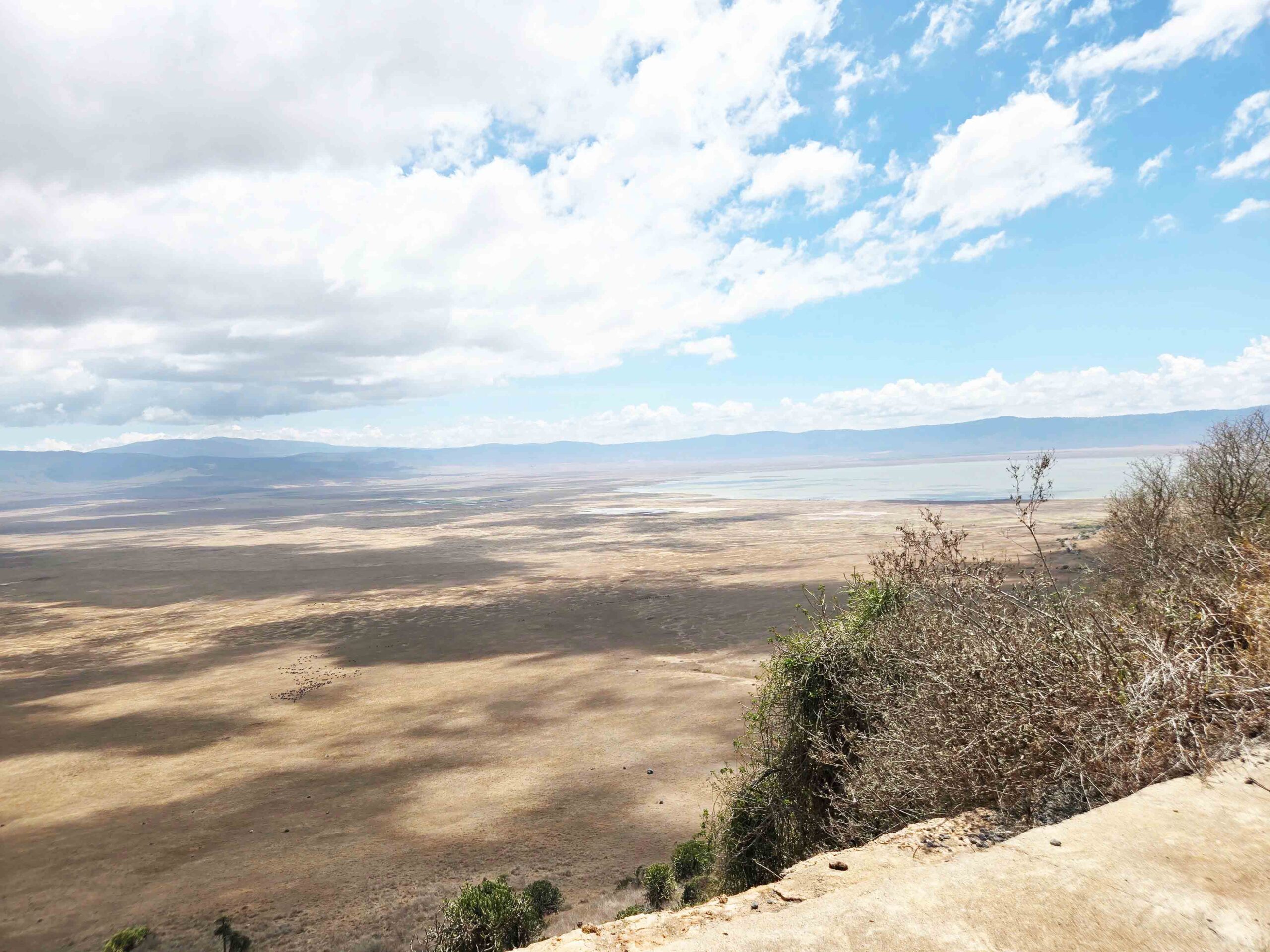
When is the best time to visit Serengeti National Park?
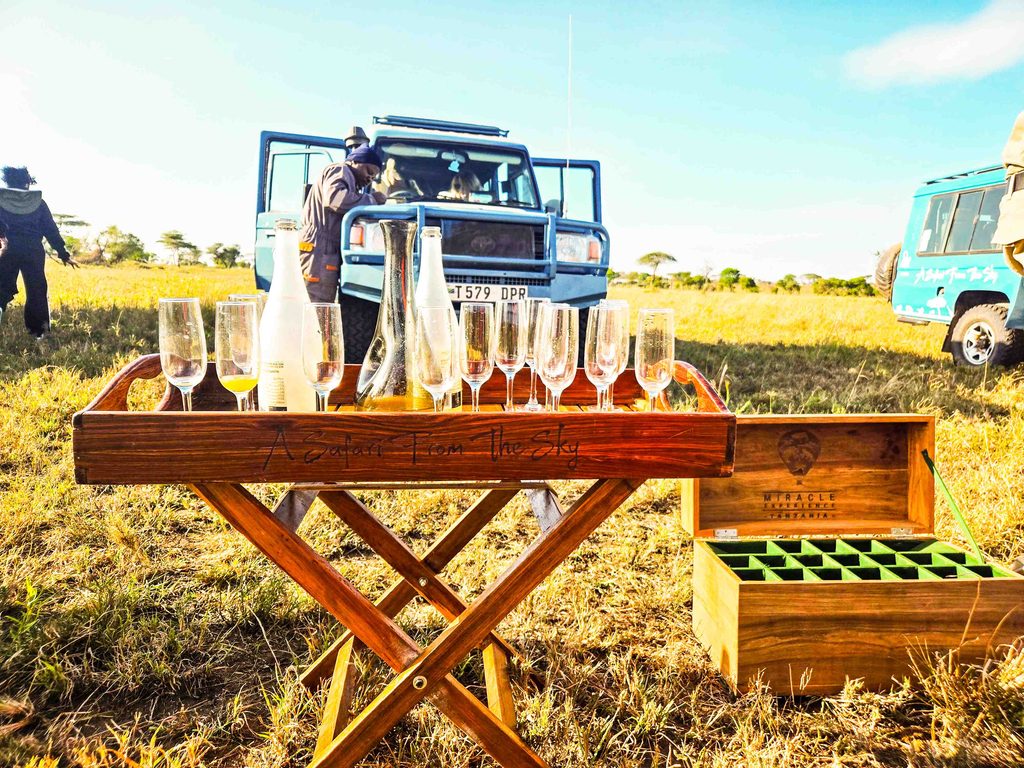
The wonderful thing about the Serengeti is that there is no truly bad time to visit.
Whether you dream of watching thousands of wildebeest crossing a river, spotting lions resting beneath acacia trees, or enjoying peaceful game drives across endless golden plains, the Serengeti has something special waiting for you throughout the year.
However, the best time to visit Serengeti National Park depends on the kind of safari experience you are looking for.
At PMK Tours and Travels, we believe every safari should be filled with beautiful moments, exciting discoveries, and memories you will treasure for years to come.
In this guide, we will help you understand the Serengeti’s seasons, wildlife movements, weather, and the best months to plan your dream African safari.
[toc]
Key Takeaways
- June to October: Generally the best period for dry-season wildlife viewing.
- July to September: A popular time to look for the famous Mara River crossings in the northern Serengeti.
- January to March: A wonderful period to witness wildebeest calving in the southern Serengeti ecosystem.
- April and May: Ideal for travellers who enjoy green landscapes, fewer crowds, and potentially lower accommodation prices.
- November and December: A lovely time for birdwatching, beautiful scenery, and wildlife photography.
- Year-round safaris: The Serengeti offers excellent wildlife experiences in every season.
1. Why Serengeti National Park Is a Dream Safari Destination
Imagine waking up to the sounds of birds singing, stepping outside your safari lodge, and watching the African sun slowly rise over endless grasslands.
In the distance, a herd of elephants walks peacefully across the plains.
Nearby, giraffes stretch their long necks to feed on acacia trees, while zebras graze under the morning sun.
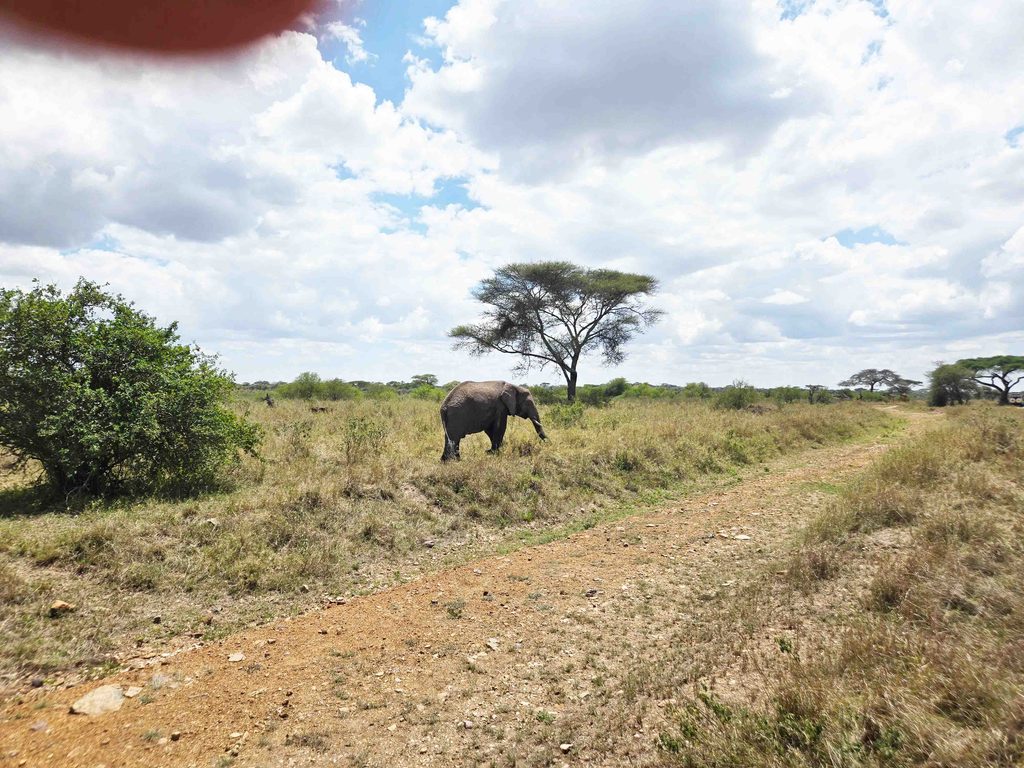
This is the magic of Serengeti National Park.
Located in northern Tanzania, the Serengeti is one of Africa’s most celebrated wildlife destinations.
Its name comes from a Maasai expression commonly translated as endless plains, and once you see the landscape, you will understand why.
The park is home to an incredible variety of wildlife, including lions, leopards, elephants, buffaloes, cheetahs, giraffes, zebras, and wildebeest.
It is also famous for the Great Wildebeest Migration, one of the most remarkable wildlife spectacles on Earth.
But what makes the Serengeti truly special is that every season tells a different story.
2. Best Time to Visit Serengeti National Park for Wildlife Viewing
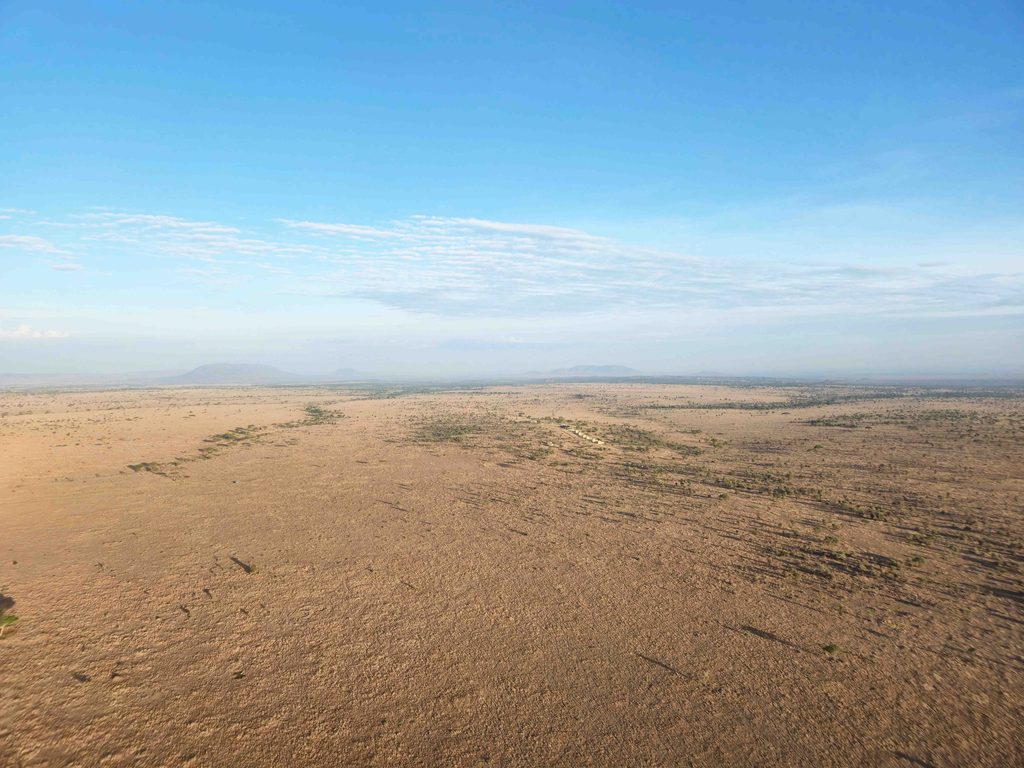
If your main goal is to see as many wild animals as possible, the dry season from June to October is generally an excellent time to visit.
During these months, the grass becomes shorter in many areas, and animals often gather around rivers and other reliable water sources.
This can make wildlife easier to spot during game drives.
You may see elephants walking in family groups, lions resting in the shade, giraffes feeding among the trees, and large herds of buffaloes moving across the plains.
The dry season is also popular because rainfall is usually limited, making many safari routes easier to travel.
What Makes the Dry Season Special?
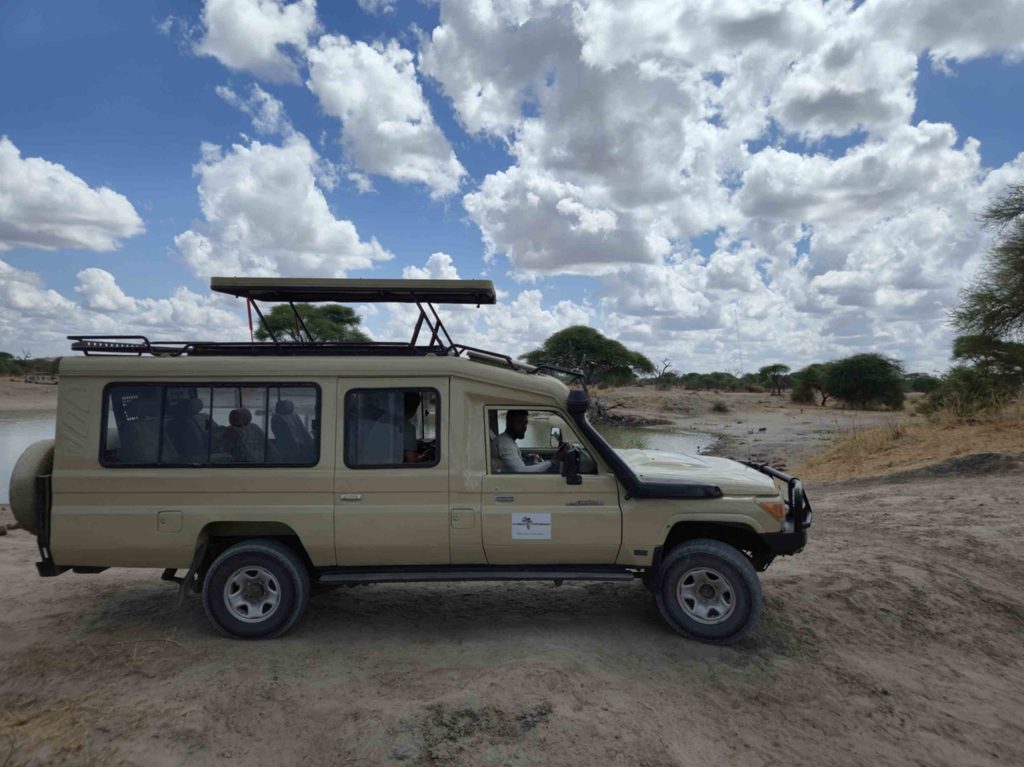
- Wildlife can be easier to spot in areas with shorter grass.
- Many animals gather near permanent water sources.
- Conditions are often favourable for game drives.
- There are excellent opportunities for wildlife photography.
- The northern Serengeti may host dramatic wildebeest river crossings.
Because this is a popular safari season, lodges and camps can fill up quickly.
We recommend planning early, especially if you hope to travel between July and September.
3. Best Time to Visit Serengeti for the Great Wildebeest Migration
One of the biggest reasons travellers visit the Serengeti is to witness the famous Great Wildebeest Migration.
Every year, enormous herds of wildebeest, accompanied by zebras and gazelles, move through the Serengeti–Mara ecosystem in search of fresh grazing and water.
It is an incredible natural journey filled with movement, excitement, and survival.
However, something many first-time visitors do not realise is that the migration does not happen in just one month.
It is a continuous cycle, with the herds moving through different areas as rainfall and grazing conditions change.
The Great Migration Throughout the Year
| Months | Typical migration location | What travellers may experience |
|---|---|---|
| January–March | Southern Serengeti and Ndutu area | Calving season and predator activity |
| April–May | Central and western migration routes | Large herds moving through greener landscapes |
| June–July | Western Corridor and towards the north | Herd movement and possible Grumeti River crossings |
| July–September | Northern Serengeti and Maasai Mara ecosystem | Possible Mara River crossings |
| October–November | Northern and eastern migration routes | Herds moving south as conditions change |
| December | Eastern and southern Serengeti ecosystem | Herds returning towards southern grazing areas |
These are general patterns rather than fixed schedules.
The migration is driven by nature, especially rainfall, so the exact location of the herds changes from year to year.
At PMK Tours and Travels, we encourage travellers to plan their safari around the experience they most want to see, while keeping in mind that wildlife movements cannot be guaranteed.
4. January to March: The Beautiful Calving Season
If you love baby animals and unforgettable wildlife moments, January to March can be a wonderful time to visit the Serengeti ecosystem.
During this period, large numbers of wildebeest gather on the nutrient-rich grasslands of the southern Serengeti and neighbouring Ndutu area.
The main calving period usually occurs around late January through February, although timing can vary.
Thousands of young wildebeest are born within a relatively short period.
Imagine watching a newborn wildebeest struggle to stand on its legs for the first time, while its mother patiently waits nearby.
It is a beautiful reminder of how extraordinary nature can be.
Why Visit During Calving Season?
The abundance of young animals attracts predators, including lions, cheetahs, and hyenas.
This creates opportunities to witness dramatic wildlife interactions.
The southern plains are also often beautifully green following seasonal rains.
For photographers, wildlife lovers, and travellers interested in animal behaviour, this can be one of the most rewarding safari seasons.
It is important to remember that some calving areas are outside Serengeti National Park itself, so choosing the right accommodation and safari route matters.
5. April to May: Discover the Green Side of the Serengeti
Many travellers automatically avoid the rainy season, but April and May can reveal a completely different side of the Serengeti.
During the long rains, the landscape transforms into a beautiful green wilderness.
Fresh grass covers the plains, wildflowers may appear, and dramatic clouds create stunning photographic opportunities.
There are often fewer visitors compared with the busiest safari months.
This can make your experience feel quieter and more personal.
Why Consider a Green-Season Safari?
One of the biggest advantages is the peaceful atmosphere.
You may enjoy game drives with fewer safari vehicles around popular wildlife sightings.
Some accommodation providers also offer lower seasonal rates.
However, heavy rain can make certain roads muddy or difficult to use, and wildlife may be harder to spot in taller vegetation.
If you do not mind occasional showers and prefer a quieter safari experience, the green season may surprise you.
6. June to October: The Classic Serengeti Safari Season
For many first-time visitors, June to October is the best time to visit Serengeti National Park.
This is the main dry season, when much of the landscape gradually changes from green to golden brown.
The cooler mornings, sunny afternoons, and generally drier conditions make it a popular period for game drives.
As water becomes less widely available, animals may concentrate around rivers and permanent water sources.
What Wildlife Can You See?
The Serengeti supports a wonderful variety of animals, including:
- Lions resting in the grass or hunting on the plains.
- Leopards relaxing in trees.
- Elephants travelling in family groups.
- Buffaloes grazing in large herds.
- Cheetahs searching for prey in open grasslands.
- Giraffes feeding on acacia trees.
- Zebras and wildebeest moving across the savannah.
Although wildlife is present throughout the year, the dry season often makes sightings easier.
This is also a particularly popular period for travellers hoping to witness the northern migration river crossings.
7. July to September: Witness the Famous Mara River Crossings
Few wildlife experiences compare to watching thousands of wildebeest gather along the banks of the Mara River.
The animals hesitate, move back and forth, and wait for the right moment to cross.
Then, sometimes without warning, the first wildebeest jumps into the water.
Others follow, creating an extraordinary scene of movement, splashing water, and determination.
Crocodiles may be waiting in the river, while predators patrol the surrounding grasslands.
It is one of Africa’s most dramatic wildlife spectacles.
Can You Guarantee a River Crossing?
No.
River crossings are natural events, and nobody can predict the exact day or time they will happen.
Some travellers may witness several crossings, while others may spend days in the area without seeing one.
That is part of what makes the experience so special.
If witnessing a crossing is your main safari dream, consider spending several nights in the northern Serengeti to improve your chances.
8. November to December: A Peaceful and Colourful Safari Experience
As the short rains arrive, the Serengeti begins to change once again.
The dry plains gradually become greener, and fresh vegetation attracts grazing animals.
Migratory birds also add colour and excitement to the landscape.
For travellers who enjoy photography, birdwatching, and quieter safari experiences, November and December can be lovely months to visit.
Rainfall is often less persistent than during the long rainy season, although weather conditions vary.
You can still enjoy excellent game drives, beautiful scenery, and opportunities to see the Serengeti’s resident wildlife.
9. Best Time to Visit Serengeti for Different Safari Experiences
Every traveller has a different idea of the perfect safari.
Some dream of watching lions and elephants, while others want to photograph beautiful landscapes or witness the Great Migration.
Here is a simple guide to help you decide.
| Safari experience | Recommended period |
|---|---|
| General wildlife viewing | June–October |
| Mara River crossings | July–September |
| Wildebeest calving | Late January–February |
| Birdwatching | November–April |
| Green landscapes | November–May |
| Fewer tourists | April–May and parts of November |
| Classic dry-season photography | June–October |
| Family safari | June–October or suitable school holiday periods |
There is no single perfect month for everyone.
The best time depends on your interests, travel dates, budget, and preferred safari experience.
10. What Is the Weather Like in Serengeti National Park?
The Serengeti generally experiences warm days and cooler mornings and evenings.
Because the park covers a large area with different elevations, temperatures and rainfall can vary depending on where you stay.
The region has two main rainy periods.
The long rains usually occur from March to May, while the short rains generally arrive around November and December.
The main dry season typically runs from June to October.
What Should You Pack for a Serengeti Safari?
A little preparation goes a long way towards making your safari comfortable.
We recommend packing:
- Comfortable, lightweight clothing in neutral colours.
- A warm jacket for early morning game drives.
- Comfortable walking shoes.
- A wide-brimmed hat and sunglasses.
- Sunscreen and insect repellent.
- Binoculars for wildlife viewing.
- A camera or smartphone for photographs.
- A reusable water bottle.
- A light rain jacket if travelling during the rainy season.
Remember that early morning game drives can feel surprisingly chilly, even when afternoons are warm.
11. How Many Days Should You Spend in the Serengeti?
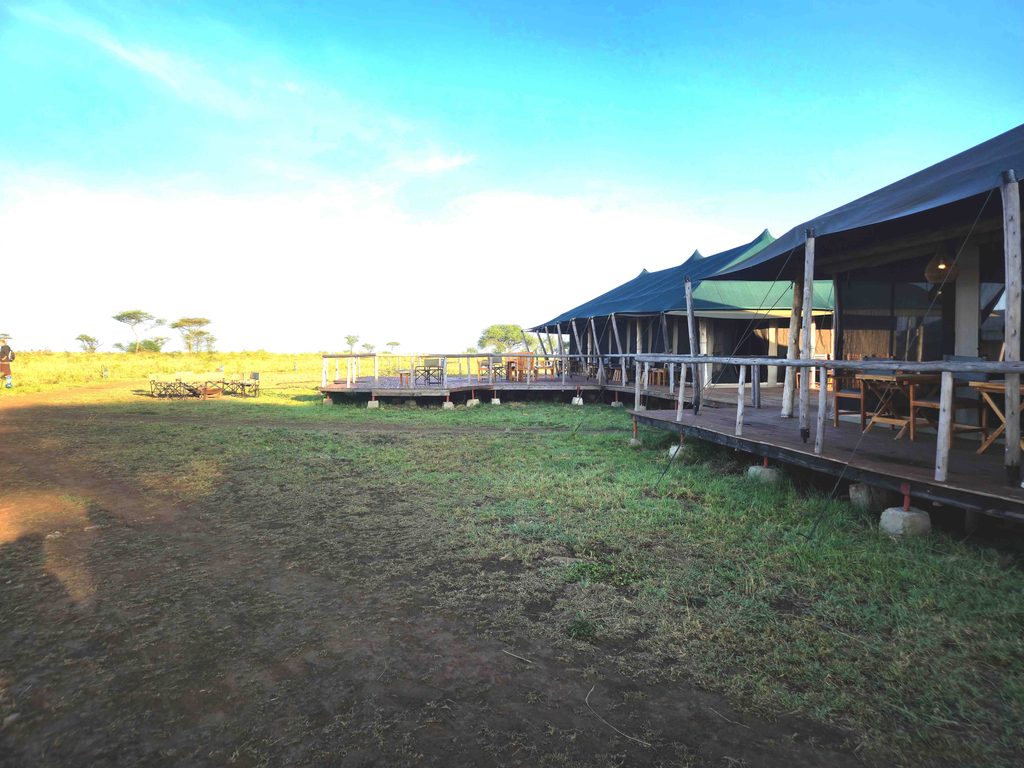
The Serengeti is enormous, and there is so much to explore.
While a short visit can still be enjoyable, we generally recommend allowing at least three to four days for a rewarding safari experience.
This gives you
Leave a Reply