

Table of Contents
Introduction
Learning how to tell if a safari company is genuine is the single most critical step you can take when planning an international trip to East Africa. Booking a bucket-list holiday to see the wildlife of Kenya or Tanzania is a major emotional and financial investment. Unfortunately, because it involves sending thousands of dollars across international borders to a provider you have never met face-to-face, the travel industry has become a primary target for sophisticated online scammers, identity thieves, and unlicensed freelance brokers. If you do not know how to tell if a safari company is genuine, you run a massive risk of losing your entire vacation fund to a ghost operator.
Every single year, we hear devastating stories from heartbroken tourists who arrive at Jomo Kenyatta International Airport or Kilimanjaro International Airport, only to find that their driver isn’t waiting for them, their vehicle doesn’t exist, and their luxury lodge bookings were never paid for. The website they booked through looked absolutely stunning, but because the travelers didn’t research how to tell if a safari company is genuine, they fell victim to an elaborate digital mirage.
As an established local operator with a permanent physical presence on the ground, we want to help stamp out these bad actors entirely. Protecting our industry means empowering you with the exact tools needed to vet your provider before you ever sign a contract. This comprehensive guide will show you exactly how to tell if a safari company is genuine by using our definitive, six-step verification checklist covering strict regulatory licensing, secure banking practices, physical asset auditing, and communication benchmarks.
1. Official Regulatory Licensing: Checking TRA and KATO Status
The absolute baseline metric for how to tell if a safari company is genuine lies in their official government paperwork. In East Africa, anyone can spin up a flashy website and buy stock photos of elephants, but only legitimate operators can clear the strict financial and legal hurdles required to obtain official tourism licenses. If you are questioning how to tell if a safari company is genuine, your very first step must always be a request for their official licensing numbers.
The Licensing Benchmarks by Country
Depending on where your wildlife tour takes place, you must request proof of registration with the local tourism ministries to satisfy your checklist on how to tell if a safari company is genuine:
- In Kenya (TRA & KATO): In Kenya, the regulatory framework is overseen by the Tourism Regulatory Authority (TRA). Furthermore, premier operators are members of the Kenya Association of Tour Operators (KATO). KATO is a prestigious regulatory body that strictly vets its members for financial bonding, insurance coverage, and ethical standards, making it an essential tool for how to tell if a safari company is genuine.
- In Tanzania (TRA Licensing): A genuine Tanzanian operator must possess a valid Tanzania Tourism Licensing Board (TTLB) license, and their corporate taxes must be registered via a Taxpayer Identification Number (TIN) with the Tanzania Revenue Authority (TRA). When figuring out how to tell if a safari company is genuine in Tanzania, remember that without active TRA licensing, a company cannot legally purchase park entry permits.
The Verification Step: Don’t just trust a KATO or TRA logo pasted at the bottom of a website. Scammers copy and paste those logos easily. Instead, physically go to the official KATO or TRA online directories and type the company’s name into the database to verify their active membership status.
2. Analyzing Reviews: Spotting Real Feedback vs. Fabricated Praise
Online reviews are a cornerstone of modern consumer research, but when evaluating how to tell if a safari company is genuine, you must learn to read between the lines. Sophisticated scammers frequently pay for fake review bundles to artificially boost their ratings, which complicates the process of how to tell if a safari company is genuine for the untrained eye.
How to Spot a Fake Review Pattern
When auditing a tour operator’s profile on platforms like TripAdvisor, SafariBookings, or Google Maps to determine how to tell if a safari company is genuine, look for these specific red flags:
- The “One-Review” Profile Wave: If a company has fifty 5-star reviews, but 90% of those reviews come from accounts that have only ever posted one review in their history, they are likely paid fabrications. This is a primary indicator when evaluating how to tell if a safari company is genuine.
- Vague, Overly Generic Language: Real travelers write deeply personal reviews. They name their specific driver-guide, mention the specific lodges they stayed at, complain about a bumpy road, or talk about a specific lion sighting. Fake reviews use generic prose like, “Great company, highly recommend, very nice trip to Africa!” Learning to spot this difference is key to how to tell if a safari company is genuine.
- Unnatural Timelines: If a company went from having zero reviews for three years to suddenly gaining forty perfect reviews in the span of two weeks, treat it with extreme suspicion.
3. Secure Payment Methods: The Red Flags of Safari Financials
Analyzing how a business handles its invoicing is a massive indicator of its legitimacy and a core pillar of how to tell if a safari company is genuine. A real business operates within the international banking network; a scammer wants to obfuscate the paper trail as quickly as possible.
The Standard Safari Financial Architecture
| Payment Method | Security Level | Operator Legitimacy Signal |
| Official Corporate Bank Wire | Extremely Safe | Account must match the registered company name exactly. |
| Encrypted Online Credit Card Portal | Extremely Safe | Utilizes secure, authenticated gateways (e.g., Pesapal, DPO). |
| Personal Wire Transfers (Western Union) | ❌ Extremely Dangerous | Major Scam Red Flag. Money cannot be recovered. |
| Crypto Currency Wallets | ❌ Extremely Dangerous | Untraceable, highly uncharacteristic for local operators. |
The “Personal Account” Red Flag
When you are ready to make a deposit to secure your 2026 safari package, looking closely at the banking coordinates provided on your invoice is the ultimate test of how to tell if a safari company is genuine.
A genuine operator will always instruct you to wire funds to an official Corporate Bank Account held in the exact registered name of the tour company (e.g., “African Wildlife Safaris LTD”).
If an agent asks you to wire money via Western Union, WorldRemit, or a standard bank transfer to an individual person’s name (e.g., “John Doe’s Personal Account”), stop the transaction immediately. No licensed, law-abiding tour operator collects international business revenue through a personal bank account, which is why this financial check is so vital to how to tell if a safari company is genuine.
4. Legal Company Registration: Verifying Corporate Existence
Every genuine tour provider must be legally incorporated with the state registrar of companies. When researching how to tell if a safari company is genuine, this process links the digital brand name to real individuals who are legally and financially liable for its operations.
In Kenya, you can verify corporate data through the Business Registration Service (BRS) via the eCitizen portal. In Tanzania, it is handled via the Business Registrations and Licensing Agency (BRELA).
When you ask an operator for their official Certificate of Incorporation, a genuine company will proudly and instantly email you a copy of their certificate. If they make excuses, drag their feet, or claim the documents are confidential, your investigation into how to tell if a safari company is genuine has just uncovered a major warning sign. They are likely hiding the fact that they are operating an illegal, unregistered enterprise.

5. A Verified Physical Office: The Problem with Purely Virtual Operators
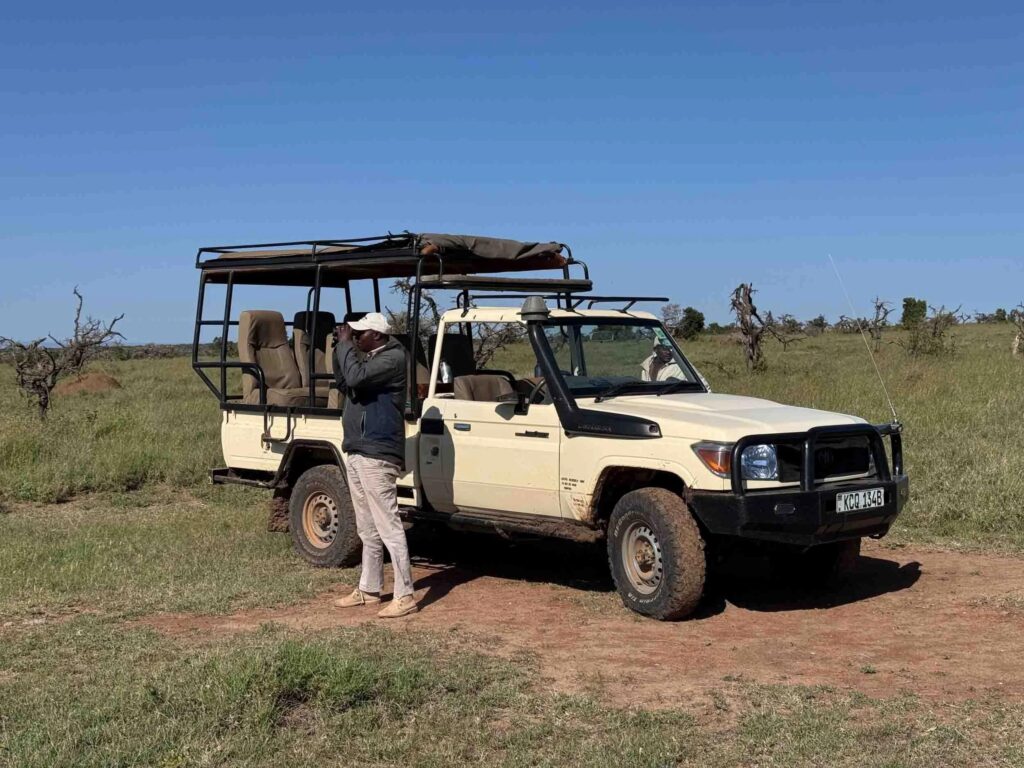
The internet allows anyone to pretend they own a massive fleet of safari vehicles when they are actually working from a laptop on a kitchen table. While boutique remote planners exist, a true ground operator must have a physical brick-and-mortar hub to manage vehicles, gear, and field emergency coordination. Checking for a real office is a foundational element of how to tell if a safari company is genuine.
                  [THE OPERATOR INFRASTRUCTURE AUDIT]

     GENUINE GROUND OPERATOR                 VIRTUAL SCOUTER / SCAMMER
+------------------------------------+  +------------------------------------+
|  - Verifiable physical office      |  |  - Only a WhatsApp number          |
|  - Registered local landlines      |  |  - No physical address listed      |
|  - Owned/leased 4x4 Land Cruisers |  |  - Relies entirely on stock photos |
|  - Employs permanent field staff   |  |  - Demands personal cash upfront   |
+------------------------------------+  +------------------------------------+
The Google Maps Virtual Tour
An easy trick for how to tell if a safari company is genuine is to cross-verify their stated physical address using Google Maps Satellite and Street View.
- Do they list a clear office address in a primary safari hub like Nairobi, Mombasa, Arusha, or Dar es Salaam?
- If you plug that address into Google Maps, does an actual commercial office building or logistics yard appear?
- Be highly wary of companies that list their official address as a vague post office box number (P.O. Box) or a purely residential neighborhood with no visible corporate signage. Knowing how to cross-examine physical locations is an incredibly reliable method for how to tell if a safari company is genuine.
6. Communication Quality: The Professionalism Test
The final indicator of how to tell if a safari company is genuine comes down to the quality, depth, and speed of their communication. Real operators are experts who live and breathe East African travel; scammers are just trying to close a fast financial transaction without providing real substance.
Look for Deep Local Knowledge
A genuine destination expert doesn’t just send you a cookie-cutter itinerary PDF with a price tag attached. When you test them on how to tell if a safari company is genuine, they provide tailored, insightful recommendations. They can tell you exactly why a lodge inside the park boundaries is worth the extra cost, explain the current state of the roads, or accurately detail seasonal wildlife movements.
Furthermore, pay close attention to their digital infrastructure during your assessment of how to tell if a safari company is genuine:
- The Email Domain: A real company uses a custom corporate email domain (e.g.,
[email protected]). If an agent is communicating with you about a $6,000 holiday package using a free, generic email address like[email protected], it indicates a severe lack of professional infrastructure and a high probability of a scam. - The Response Layout: Look for detailed itemizations of what is included versus what is excluded in your pricing quote, alongside official company registration numbers in their email signatures. This level of transparency is exactly how to tell if a safari company is genuine.
The Ultimate Operator Legitimacy Checklist
To simplify your vetting process, keep this quick-reference summary nearby when analyzing potential operators to see how to tell if a safari company is genuine:
- Government Check: Active TRA licensing or KATO registration verified directly on official portal databases.
- Financial Check: Invoices mandate payment to an explicit corporate bank account, never a personal name.
- Digital Check: Communications originate from a dedicated company email domain rather than a free provider.
- Physical Check: Stated commercial office coordinates register accurately on satellite maps.
Frequently Asked Questions
Can a company be a member of KATO or TATO but still be a scam?
It is exceptionally rare. Both KATO (Kenya) and TATO (Tanzania) enforce incredibly strict entrance criteria, requiring proof of financial stability, clear criminal backgrounds, physical office audits, and valid tax compliance history. If a company maintains an active, verifiable membership status within these directories, you have successfully figured out how to tell if a safari company is genuine.
What should I do if a company asks for 100% payment upfront?
It is standard practice for safari companies to require a 30% to 50% deposit to secure your lodge rooms (as high-end safari camps are small and fill up fast), with the remaining balance due 45 to 60 days before your trip begins. However, if a company demands 100% full payment immediately for a trip that is six or nine months away, treat it as a potential warning sign when evaluating how to tell if a safari company is genuine, and demand a phased payment structure.
Is it safer to book with an international travel agency instead of a local operator?
International agencies offer a layer of consumer protection based on your home country’s laws, but they charge a massive 15% to 25% markup because they are just middlemen. You can safely save thousands of dollars by booking direct with a local operator, provided you use this checklist regarding how to tell if a safari company is genuine to confirm they hold authentic TRA licensing, corporate bank accounts, and active local association memberships.
Partner With a 100% Verified Local Expert
Planning your dream African holiday should be filled with pure excitement, not financial anxiety. Our business is built on a foundation of absolute transparency, verified local licensing, and years of top-rated guest feedback. We own our vehicles, employ our guides, and welcome you to visit our physical office anytime. Now that you know how to tell if a safari company is genuine, you can book with total peace of mind.
Once you are ready to start planning your route, dive into our ultimate guide to the Top 10 Amazing Safari Parks in Kenya to discover which landscapes and wildlife reserves fit your travel style perfectly. Let our local team build a secure, fully transparent, tailor-made itinerary for your 2026 adventure today.
Leave a Reply