
Table of Contents
What to Pack on Your Kenyan Safari
Planning a Kenyan safari? Then you’re already on your way to one of the most awe-inspiring adventures on Earth. Imagine lions lounging under acacia trees, elephants roaming the savannah, and vibrant sunsets painting the sky. But wait—don’t ruin the magic by forgetting the essentials. Packing smart is crucial, not just for your comfort but for your safety and enjoyment.
This ultimate guide on what to pack on your Kenyan safari breaks down exactly what you need—clothing, gear, gadgets, and tips to make sure you’re fully prepared, whether you’re heading to Maasai Mara, Amboseli, or Tsavo.Before travelling, check the Kenya Wildlife Service’s official safari packing recommendations for additional advice on clothing, footwear, binoculars, insect repellent and first aid.
A little preparation helps make your Kenyan safari more comfortable, organised and enjoyable from the moment you leave home. Use this checklist to prepare for your Kenyan safari, whether you are visiting one national park or combining several destinations.
Let’s dive into everything you should throw into your duffel before boarding that flight to Kenya.
Essential Clothing for a Kenyan Safari
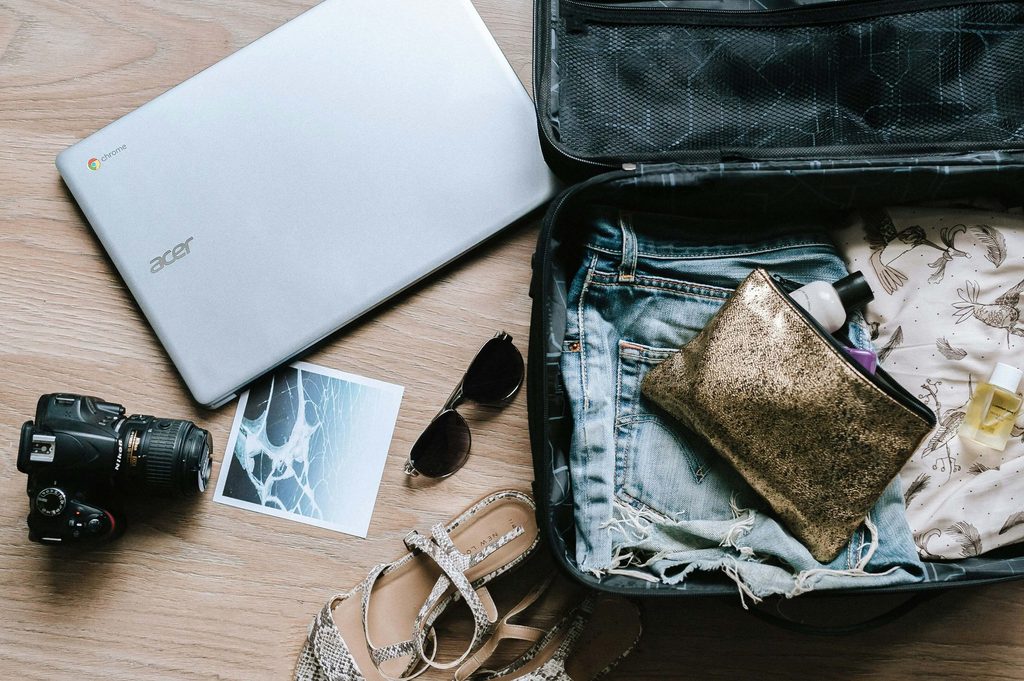
In the wild, your clothing isn’t just about fashion—it’s about function. Safaris require lightweight, neutral-toned clothes that blend in with the environment and keep you comfortable under the African sun. Choosing practical clothing for your Kenyan safari will help you stay comfortable during long game drives and outdoor activities.
- Long-sleeved shirts: Protects you from sun and mosquito bites. For your Kenyan safari, choose lightweight fabrics that allow air to circulate.
- Convertible cargo pants: Doubles as shorts and trousers. Plus, all those pockets? A traveler’s dream!
- T-shirts: Breathable, quick-drying material works best.
- A lightweight jacket: Early mornings can be surprisingly chilly.
- Neutral colors: Stick to olive, khaki, beige, and tan. Brights attract bugs and stand out to animals—bad combo.
Tip: Avoid military-style prints. In Kenya, this can raise eyebrows due to their association with armed forces.

Footwear You Can Rely On
You’ll be walking, climbing into 4x4s, maybe even hiking. So your shoes must be tough but comfortable. Choosing reliable footwear for your Kenyan safari can prevent discomfort and make walking around camps and lodges much easier.
- Sturdy hiking boots or walking shoes: For game walks and uneven terrain.
- Safari sandals: Ideal for relaxing at the lodge.
- Flip-flops: Perfect for showers or poolside lounging.
Trust us—blisters in the bush are no joke.
The Best Accessories for Safari Comfort
Sometimes, it’s the little things that make the biggest difference. These accessories will seriously improve your safari experience. A few practical accessories can make your Kenyan safari more comfortable, particularly during extended game drives.
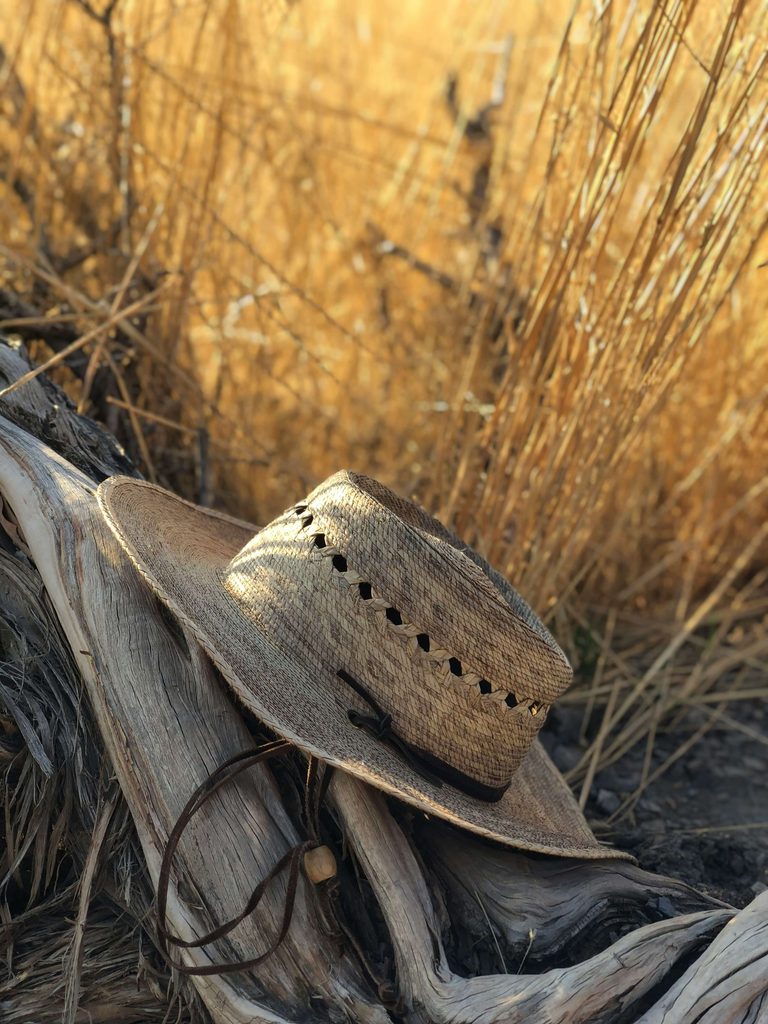
- Wide-brimmed hat: Sun protection for your face and neck.
- Sunglasses (UV-rated): The glare can be intense during game drives.
- Scarf or bandana: Multi-use—dust mask, sun shield, or even a pillow.
- Safari belt: A rugged belt helps carry tools, pouches, and sometimes even a camera holster.
Weather-Specific Gear to Pack
Kenya’s weather changes dramatically—cool mornings, blazing afternoons, and occasional rains. For your Kenyan safari, prepare for changing temperatures by packing clothes that can be layered throughout the day.
- Rain jacket or poncho: Especially necessary during the March-May and October-November rains.
- Fleece pullover: For early drives and chilly evenings.
- Moisture-wicking shirts: Stay dry when things heat up.
Always check the safari season before finalizing your pack list.
Safari-Ready Travel Bags
Ditch the wheeled suitcase. Most safari flights limit you to soft-sided bags due to space constraints. Choosing the right bag for your Kenyan safari is particularly important when travelling between destinations by small aircraft.
- Duffel bag (soft-sided): Easier to pack into safari jeeps and bush planes.
- Daypack or small backpack: For water, camera, sunscreen, and snacks on game drives.
- Dry bag: Keep electronics safe during boat safaris or unexpected rain.
Toiletries and Personal Care Must-Haves
Safari lodges vary in what they provide, so bring your own basics. Personal-care products are important for your Kenyan safari, especially when staying in remote camps where shops may be far away.
- Sunscreen (SPF 30+)
- Insect repellent (with DEET or picaridin)
- Biodegradable soap and shampoo
- Toothbrush, toothpaste, floss
- Face wipes and tissues
- Lip balm with SPF
Ladies: Bring menstrual products—availability in remote areas is limited.
Must-Have Medications and First Aid Kit
Health comes first when you’re miles from a clinic. A basic first aid kit is a useful addition to your Kenyan safari packing list, especially when travelling between remote destinations.
- Anti-malaria meds (consult your doctor before the trip)
- Rehydration salts
- Antihistamines
- Anti-diarrhea tablets
- Painkillers
- Band-aids, antiseptic cream, tweezers
You never know when a thorn bush will strike.
Essential Travel Documents for Kenya
Without these, your dream safari could become a nightmare. Organising your documents before your Kenyan safari will help you avoid unnecessary delays at airports and immigration checkpoints.
- Passport (valid for 6+ months)
- E-visa for Kenya
- Yellow Fever Certificate
- Travel insurance (with medical evacuation coverage)
- Vaccination record
- Copies of all documents (physical and digital)
Also, always keep local emergency contacts handy.
Safari Technology Essentials
Tech gear helps capture memories and stay powered up. For your Kenyan safari, prioritise useful electronics that help with photography, navigation and communication without making your luggage unnecessarily heavy.
- Camera with zoom lens
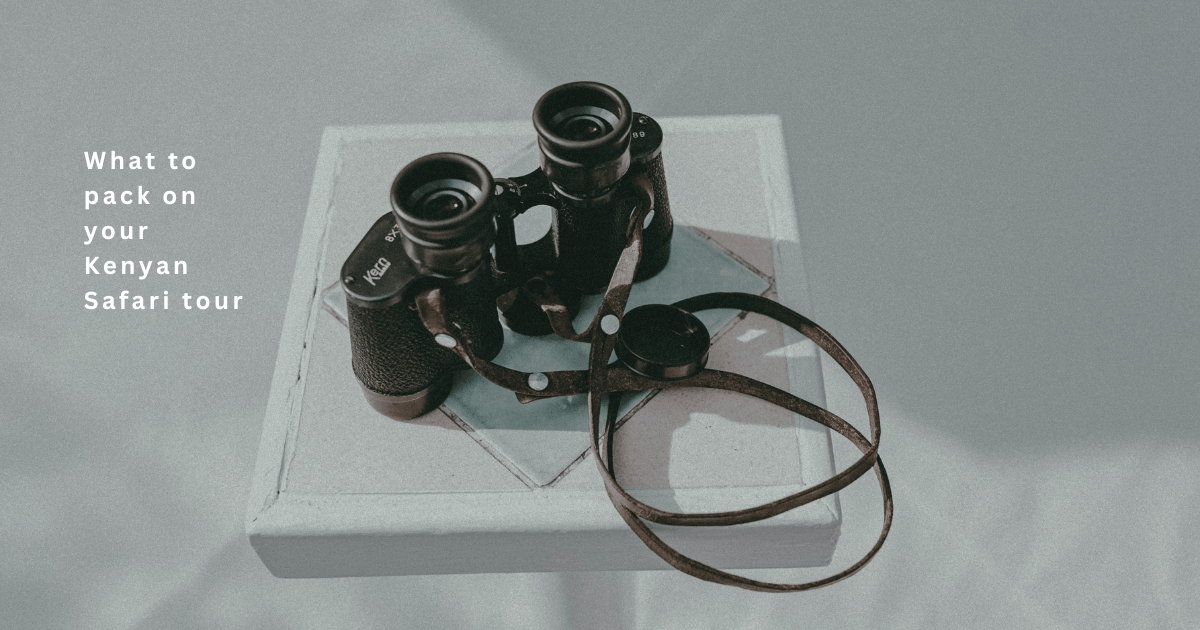
- Binoculars (8×42 or better)
- Portable power bank
- Voltage adapter (Kenya uses 240V Type G plug)
- Extra SD cards and batteries
Go light on electronics—bush camps often have limited charging spots.
What Not to Pack on Your Kenyan Safari
Let’s save you some space (and trouble). Avoid unnecessary items when preparing for your Kenyan safari so you can travel comfortably and keep your luggage manageable.
- ❌ Brightly colored or white clothes
- ❌ Camouflage or military-style outfits
- ❌ Drones (illegal in many national parks)
- ❌ Fancy jewelry
- ❌ Heavy or unnecessary electronics
Packing Smart for Safari Game Drives
Game drives are long. Comfort is key.
- Layered outfits: Morning chill turns to midday heat fast.
- Refillable water bottle
- Notebook or journal
- Protein snacks
- Camera with shoulder strap
Optional: A lightweight travel blanket can make drives cozier.
How to Pack Light and Still Be Prepared
Think function over fashion. Multi-use items are gold.
- Convertible pants
- Neutral t-shirts that layer easily
- Sarong or scarf (multiple uses)
- Stuff sacks or packing cubes
- Wear bulkier items on the plane
Night Safari and Evening Gear
Night game drives? Star gazing? You’ll need:
- Headlamp or flashlight
- Warm, breathable jacket
- Long-sleeved pajamas (for bug protection)
Bonus tip: A book or Kindle for lodge downtime.
Clothing Colors to Wear on Safari
Animals are sensitive to color and movement.
- ✅ Wear: Olive, brown, tan, khaki
- ❌ Avoid: White (gets dirty), black (attracts heat), blue (attracts tsetse flies)
Looking stylish isn’t worth getting bitten.
Layering for Changing Safari Temperatures
Start chilly, end sweaty—that’s safari for you.
- Base layer (t-shirt)
- Mid-layer (sweater/fleece)
- Outer layer (jacket/windbreaker)
Easily peel off layers as the sun climbs.
Safari Packing for Women
Ladies, comfort meets modesty here.
- Supportive bras (sports or wireless)
- Loose cotton tops
- Convertible skirts or pants
- Personal hygiene kit
Bonus: A pee funnel (like a Shewee) can be handy during remote drives!
Safari Packing for Men
Fellas, think rugged and breathable.
- Button-up safari shirts
- Chino or cargo pants
- Beard oil or grooming kit
Keep it clean but practical.
Kids’ Safari Packing Checklist
Safaris are magical for kids—but only if they’re comfy and engaged.
- Wide hats and UV shirts
- Favorite snacks
- Activity books or binoculars
- Sunscreen and bug spray
- Kid-friendly meds
Safari Health and Hygiene Tips
Stay clean, hydrated, and protected.
- Hand sanitizer
- Wet wipes
- Plenty of water
- Nail clippers
- Toilet paper (for remote stops)
Gadgets and Tools for Savvy Safari Travelers
Some smart tools can level up your game.
- Solar charger
- E-reader
- GPS or offline maps
- Multi-tool
- Camera cleaning kit
Sustainable Safari Packing Choices
Leave a light footprint. Sustainable choices also make your Kenyan safari more responsible by helping reduce unnecessary plastic waste.
- Metal straw
- Reusable water bottle
- Refillable toiletries
- Eco-friendly insect repellent
The animals will thank you (in their own way).
Cultural Etiquette and Clothing Tips
Kenyan towns are more conservative than game parks.
- Cover shoulders and knees when outside safari camps
- Avoid low-cut tops or short shorts
- Ask before photographing people
Respect goes a long way.
Safari Packing Mistakes to Avoid
Save yourself the pain of rookie errors.
- Overpacking bulky clothes
- Bringing non-essential gadgets
- Forgetting sunscreen or bug repellent
- Not labeling your bags clearly
- Ignoring the dress code for weather and wildlife
Best Time to Pack According to Safari Season
Packing needs change based on timing.
- June–October (Dry Season): More layers, dust protection
- March–May (Wet Season): Waterproof gear, less dust
- Nov–Feb (Hot & Dry): Sun gear, lighter clothes
Local Tips: What Kenyans Say to Pack
When in doubt, ask a local.
- Always carry cash in small notes
- Pack painkillers for bumpy roads
- Don’t forget a kikoi (traditional wrap—it’s a game changer!)
Frequently Asked Questions About Safari Packing
Preparing for your Kenyan safari may raise questions about luggage, clothing, safety and the essentials you should carry. Here are some common questions to help you get ready.
1. What clothes should I pack for a safari in Kenya?
For your Kenyan safari, pack lightweight, breathable clothing in neutral colours such as khaki, olive, beige and brown. Include long-sleeved shirts, comfortable trousers, T-shirts, a warm jacket and a raincoat depending on the season.
2. What type of luggage is best for a Kenyan safari?
Soft-sided duffel bags are usually the most convenient option, particularly when your itinerary includes domestic bush flights. Before travelling, confirm the airline’s baggage allowance and weight restrictions.
3. Do I need insect repellent and sunscreen?
Yes. Sunscreen helps protect your skin from strong sunlight, while insect repellent helps reduce mosquito and other insect bites. Carry both throughout your Kenyan safari, and follow the product instructions when applying them.
4. Should I carry medication on safari?
Carry your regular prescription medication and a small personal first aid kit. Speak to a qualified healthcare professional before travelling about vaccinations, malaria prevention and any destination-specific health advice.
5. What shoes are best for a Kenyan safari?
Comfortable walking shoes or lightweight hiking boots are useful for walking activities and uneven ground. Safari sandals and flip-flops can also be useful around your accommodation.
6. Can I wear bright colours during a safari?
Neutral colours such as olive, brown, khaki and beige are practical choices. They also show less dust than some lighter clothing. Avoid camouflage and military-style clothing.
7. Do I need binoculars and a camera?
They are not compulsory, but both can make wildlife viewing more enjoyable. Binoculars help you observe distant animals, while a camera with a zoom lens helps capture wildlife without approaching it.
Final Thoughts: Be Ready for an Unforgettable Kenyan Safari
Packing for a safari does not have to be stressful. With the right preparation, you can avoid unnecessary luggage, stay comfortable and focus on enjoying Kenya’s incredible landscapes and wildlife. Your Kenyan safari will be much more enjoyable when you have the right clothing, footwear, documents, personal care products and essential travel equipment.
Remember that every safari destination and season can have different requirements. Check your itinerary, accommodation, airline baggage restrictions and weather forecast before departure. Keep this guide handy as you prepare for your Kenyan safari, and use the checklist to make sure you do not forget the essentials.
Now that you know what to pack, you can concentrate on the adventure ahead. From the beautiful plains of the Maasai Mara to the spectacular views of Amboseli, Kenya has unforgettable experiences waiting for you.
Ready to plan your safari? Visit Plan My Kenya Tour to start organising your next adventure.