The word luxury gets thrown around loosely in safari marketing, often meaning little more than a nice bed and a swimming pool. We would rather be specific about it. A genuinely premium safari in Kenya comes down to a handful of concrete things: who you share a vehicle with, how experienced your guide is, which camps you stay at, and how much of the trip is built around your preferences rather than a fixed group schedule. Here is what actually separates a premium safari from a standard one, and what it costs to get there.
What luxury safari actually means: private vehicle, private guide, camp tier, service level
A private vehicle is the single biggest factor. On a standard group safari, you share a vehicle with other travelers and the itinerary bends toward the group’s shared preferences. A private vehicle means the pace, stops, and time spent at any one sighting are entirely up to you, and it usually comes paired with a dedicated guide for the length of the trip rather than a rotating pool of drivers.
Camp tier matters just as much as vehicle setup. Premium camps in Kenya typically mean larger, more private tented suites with en suite bathrooms and often a private plunge pool or deck, higher staff to guest ratios, and a more refined food and wine program than a standard mid-range lodge. Service level is the harder thing to quantify but the easiest to notice once you experience it: a premium camp remembers your preferences from the first night, adjusts meal times around your game drives rather than the other way around, and has staff genuinely available rather than stretched thin across a large property.
Best luxury camps and conservancies in Kenya
The private conservancies bordering the Maasai Mara National Reserve, Mara North, Naboisho, Olare Motorogi, and similar, are where most of Kenya’s premium camps sit, and for good reason. Conservancies cap the number of vehicles allowed per sighting, restrict off road driving to licensed guides only, and generally run at far lower guest density than the main reserve. That translates directly into a better wildlife experience: fewer other vehicles at a leopard sighting, more flexibility to go off the beaten track, and night game drives and walking safaris, both banned inside the main reserve itself.
Outside the Mara ecosystem, Amboseli and Laikipia also have strong premium properties, Amboseli for elephant herds against Kilimanjaro and Laikipia for a broader wildlife mix including rhino conservation areas and a more remote, exclusive feel. A well built luxury itinerary usually combines two or three of these areas rather than staying in just one, both for variety and because each does something different well.
Private versus shared group luxury options
A private safari means your own vehicle, your own guide, and an itinerary built entirely around your dates and preferences, with no fixed departure schedule to work around. This is the more expensive route, since fixed costs like the vehicle and guide are covered by one traveling party instead of split across a group, but it gives you full control over pace, stops, and even which camps you visit on which nights.
A shared luxury safari still puts you in premium camps and conservancies, just alongside a small group, typically four to eight travelers, on a fixed departure date with a set itinerary. It costs meaningfully less per person than a fully private trip while still delivering the camp quality and low guest density that defines a luxury experience. For a couple or small family who wants premium camps without the full private trip price tag, this middle option is worth asking about directly.
Sample 7 day and 10 day luxury itineraries
A 7 day private luxury itinerary typically covers two premium areas in real depth rather than rushing across several, for example a Maasai Mara conservancy paired with Amboseli, with enough nights in each to allow a rest morning, a private bush breakfast, and a walking safari or night drive where the conservancy allows it. Our 10-Day Kenya Safari is easily adapted into a fully private version of this style, extended with an additional conservancy stay.
For travelers who want to combine Kenya with the Serengeti and Ngorongoro Crater on one trip, our 11-Day Kenya and Tanzania Safari works particularly well as a private itinerary, since crossing between the two countries privately avoids the scheduling constraints of a shared group crossing and lets you time border transfers around your own game viewing rather than a group bus schedule.
Honest cost breakdown: what actually drives luxury pricing up
A fully private luxury safari in Kenya typically runs 4,500 to 9,000 dollars per person for a 7 to 10 day trip, well above the 1,500 to 3,500 dollar range of a mid-range group safari, and the gap comes from specific, identifiable costs rather than a vague premium markup. A private vehicle and dedicated guide for the whole trip, rather than shared across a group, is the largest single driver. Premium conservancy camps also charge substantially higher nightly rates than reserve-adjacent lodges, partly for the accommodation itself and partly because conservancy fees, paid to the local Maasai landowners who lease the land for conservation, run higher than standard park fees.
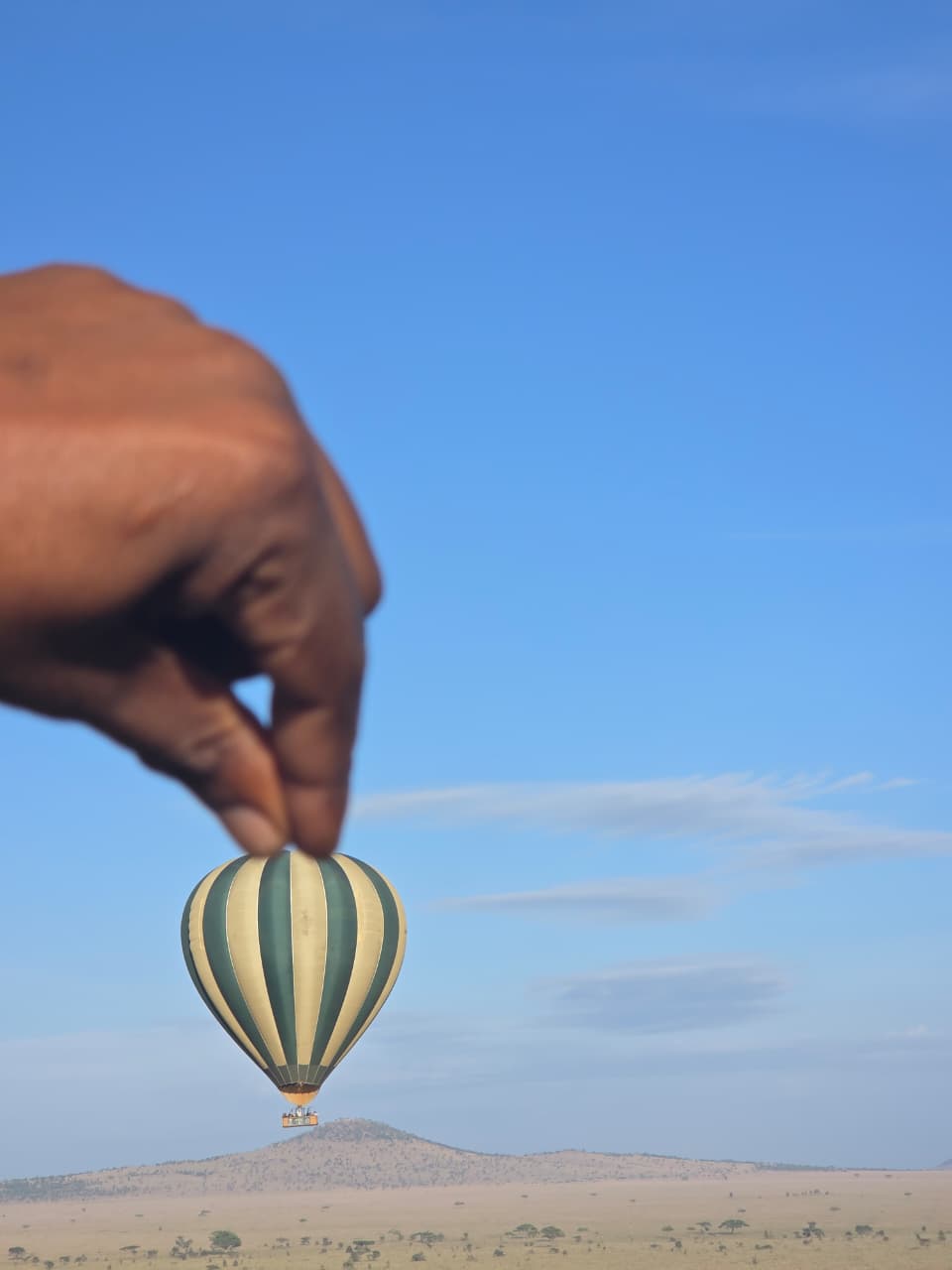
Beyond that, extras like a private bush dinner setup, a hot air balloon safari, or a scheduled walking safari with an armed ranger add per-person or per-event costs that a standard group itinerary would not include at all. None of this is arbitrary. Each line item traces back to something concrete you are actually getting, which is worth asking any operator to break down rather than accepting a single bundled number.
For a full comparison against budget and mid-range pricing, our Kenya safari cost guide breaks down exactly what changes at each price tier.
Best time of year for a luxury or honeymoon safari
July through October, the dry season and the period of the wildebeest migration crossing into the Maasai Mara, is peak season and the most in demand time for premium camps, meaning it also requires the earliest booking. January and February offer excellent game viewing with far fewer other travelers around, since it falls outside the main international travel calendar, along with clearer skies for photography and typically lower camp rates than peak season.
For a honeymoon specifically, the shoulder months, June or November, often hit a good balance: still strong wildlife viewing, noticeably quieter camps, and more availability for the best individual tented suites, the ones with a private plunge pool or an especially good view, which tend to book out first at the top properties regardless of season.
Common questions
Is luxury actually worth the extra cost? It depends what you value. If a private vehicle, uninterrupted pace, and a quieter, more exclusive camp genuinely matter to your trip, the cost difference buys something real and noticeable, not just marketing. If budget is the primary constraint, a well run mid-range group safari still delivers excellent wildlife viewing, just with more shared logistics.
How far in advance should a luxury safari be booked? For peak season, July through October, six to twelve months ahead is realistic for the best individual suites at top conservancy camps. Shoulder season and low season trips can often be arranged with two to four months notice, though the very best rooms still go early regardless of season.
What honeymoon-specific touches are typically available? Most premium camps offer honeymoon add ons on request, a decorated room or private dinner setup, a couples spa treatment where the camp has facilities, and sometimes a complimentary room upgrade or an extra night, particularly when booked as part of a longer private itinerary. It is worth mentioning a honeymoon specifically when booking, since camps often hold back their best perks for guests who ask rather than offering them automatically.
You can read more about how we design private itineraries on our About Us page. When you are ready, talk to us about a private luxury itinerary, and we will build one around the camps, pace, and dates that actually matter to you.
Leave a Reply