
Table of Contents
Introduction
Planning your first trip to Africa can feel completely overwhelming. With dozens of national parks, vast seasonal shifts, and endless logistics, it is easy to get stuck in analysis paralysis. If I were visiting Africa for the first time, I would focus exclusively on a foolproof Kenya Safari Planning strategy to keep things simple, stress-free, and incredibly rewarding.
Kenya is the undisputed birthplace of the traditional African safari. It offers an unmatched blend of iconic wildlife, legendary landscapes, and excellent tourism infrastructure.
However, a successful trip does not happen by accident. You have to understand how to align your calendar with nature’s rhythm. This insider Kenya Safari Planning guide walks you through exactly how I would sketch out my dream trip from scratch.
1. The Golden Rule of Timing Your Trip
The absolute foundation of your Kenya Safari Planning checklist is timing. The weather patterns dictate exactly where the animals congregate and how easy they are to spot.
If I were booking my first trip, I would aim for the long dry season, which runs from late June to October.
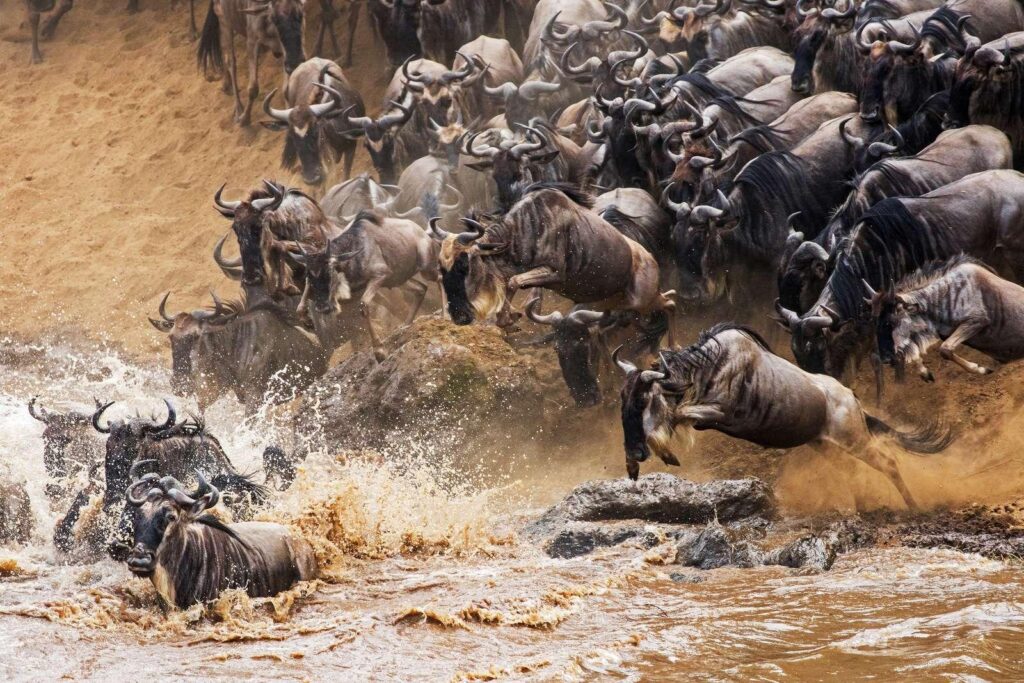
During these dry months, the bush thins out significantly. Animals are forced to leave the thickets and gather around permanent waterholes, making world-class wildlife viewing incredibly predictable. This dry window also coincides with the legendary Great Wildebeest Migration in the Masai Mara, a major peak for Kenya Safari Planning experts.
If your budget is a bit tighter, do not overlook the short dry season in January and February. When it comes to value-driven Kenya Safari Planning, the parks are far less crowded, the prices drop, and you get to witness the spectacular newborn calving season.
2. Choosing the Core Destinations
You cannot see the entire country in one week. Trying to cram too many stops into your initial Kenya Safari Planning map will leave you exhausted from spending all your time in transit. Successful Kenya Safari Planning relies on choosing a few high-quality locations.
For a quintessential first-time itinerary, I would limit my focus to three iconic, contrasting conservation areas to get the ultimate well-rounded experience:
- The Masai Mara National Reserve: The crown jewel featuring wide-open golden savannahs and the highest concentration of big cats—lions, leopards, and cheetahs—in East Africa.
- Amboseli National Park: Located at the foot of Mount Kilimanjaro, Amboseli is world-famous for its massive herds of giant elephant bulls and matriarchs.
- Ol Pejeta Conservancy: A private conservancy situated on the equator. Ol Pejeta is the ultimate sanctuary for rhinos and represents a critical piece of modern conservation.
3. Designing a Balanced 8-Day Itinerary
An 8-day itinerary is the absolute sweet spot for a first-timer. It allows you to explore multiple ecosystems deeply without rushing through the landscape, which is essential for smart Kenya Safari Planning.
Here is exactly how I would structure the journey:
| Day | Destination | Primary Highlight |
| Day 1 | Nairobi | Arrive, rest, and adjust to the time zone |
| Day 2 | Ol Pejeta Conservancy | Afternoon game drive to track rhinos |
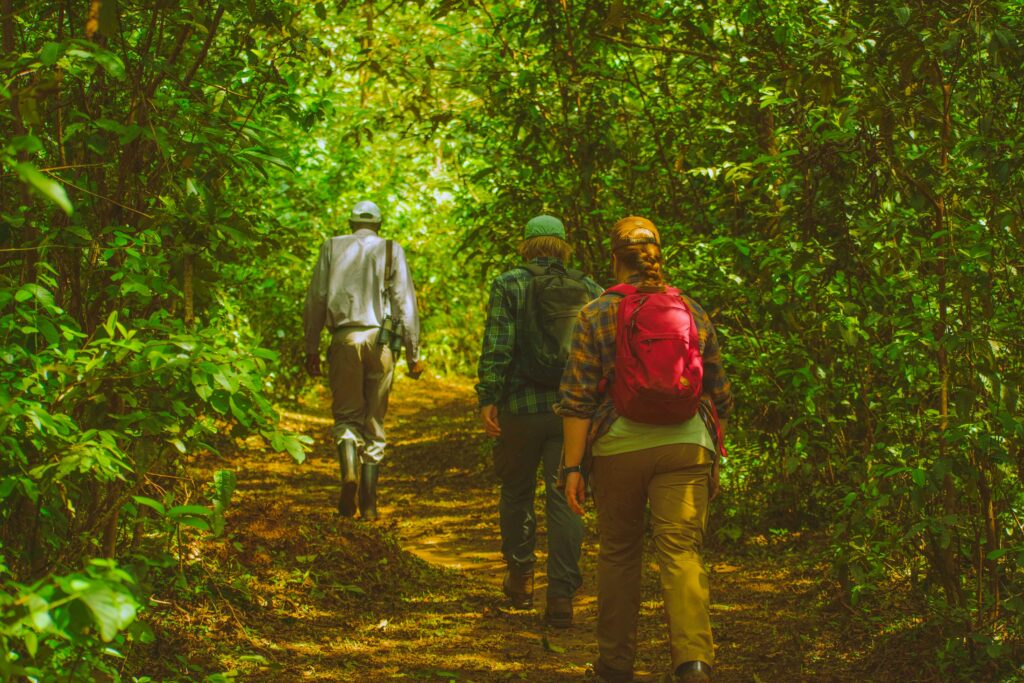
| Day 3 | Ol Pejeta Conservancy | Morning walk and chimpanzee sanctuary visit |
| Day 4 | Amboseli National Park | Drive to Amboseli, view Mount Kilimanjaro |
| Day 5 | Amboseli National Park | Full-day tracking big tusker elephant families |
| Day 6 | Masai Mara Reserve | Fly into the Mara for prime big cat tracking |
| Day 7 | Masai Mara Reserve | Sunrise hot air balloon safari over the plains |
| Day 8 | Nairobi / Departure | Return to Nairobi for your flight home |
4. Deciding Between Fly-In vs. Road Safaris
A major fork in the road for your Kenya Safari Planning process is deciding how you will travel between the different national parks. Your budget will heavily influence this stage of Kenya Safari Planning.
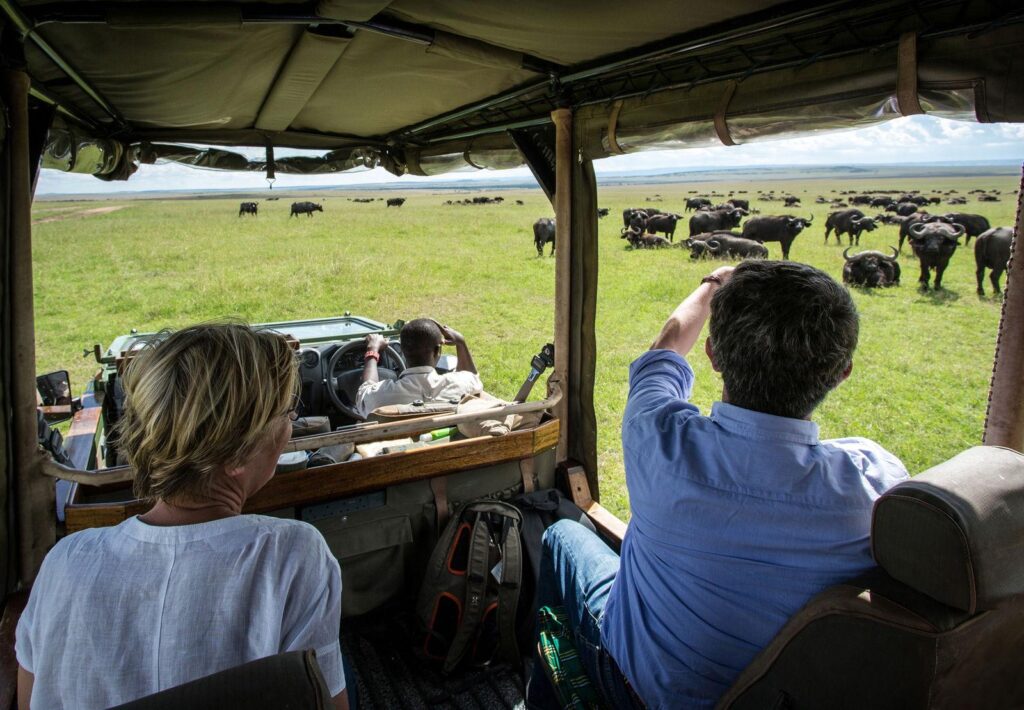
A road safari utilizes a customized 4×4 safari Land Cruiser with a pop-up roof. It is highly cost-effective and gives you a wonderful window into local villages and rural life as you drive through the countryside. However, the drives between distant parks can take anywhere from four to six hours over bumpy terrain.
If your budget allows, a fly-in safari using light aircraft is a game-changer. You swap a grueling five-hour drive for a spectacular 45-minute flight over the Great Rift Valley, landing directly on dirt airstrips right inside the wildlife reserves.
5. Navigating Lodges, Tented Camps, and Accommodations
Where you choose to sleep at night will profoundly shape your overall experience. For my first trip, I would deliberately mix up my accommodation styles to experience the bush from different perspectives. This variety adds immense depth to your Kenya Safari Planning workflow.
Large safari lodges offer a traditional hotel-like atmosphere with solid stone walls, large swimming pools, and manicured grounds. They are highly secure and comfortable, making them excellent choices for families traveling with children.
However, for a truly immersive African experience, luxury canvas tented camps are unbeatable.
These are not your typical backyard camping tents. They feature polished wooden floors, plush king-sized beds, 24-hour electricity, and beautiful en-suite bathrooms with hot running water. Proper Kenya Safari Planning should always include at least a few nights under canvas so you can drift off to sleep listening to the distant roar of lions.
6. Managing Paperwork and Health Logistics
Modern Kenya Safari Planning requires getting your essential administration completely sorted well before you pack your bags.
Kenya utilizes an automated Electronic Travel Authorization (eTA) system instead of traditional paper visas. This digital shift makes the logistical side of Kenya Safari Planning much smoother.
Critical eTA Requirement: You must apply for your entry authorization online through the official government portal at least two weeks before your departure date. Keep your flight itineraries and hotel confirmations handy as digital files, as you will need to upload them during the application process.
On the medical front, make an appointment with a specialized travel clinic about two months before your trip. Most safari destinations in East Africa require malaria prophylactics. Additionally, if you are transiting through a yellow-fever endemic country, you will need to present physical proof of vaccination to border control.
7. Packing Smart for the African Bush
When it comes to packing, the golden rule is to keep it incredibly light and practical. Light aircraft flights between safari camps enforce strict luggage limits, typically capped at 15 kg (33 lbs) per person in soft-sided duffel bags, a key detail to remember during your Kenya Safari Planning phases.
1.Pack strictly neutral colors:Base Layers.
Stick to earth tones like khaki, tan, olive, and grey. Leave bright whites, neon colors, and dark blacks at home. Black and dark blue clothing absorb heat and actively attract pesky tsetse flies.
2.Prepare for intense temperature shifts:The Rule of Layers.
Savannah mornings at 6:00 AM are surprisingly chilly, often dipping down to 10°C (50°F). By noon, the equatorial sun pushes temperatures past 30°C (86°F). Pack a high-quality windproof jacket and a fleece that you can easily peel off as the day warms up.
3.Bring proper optical gear:Essential Equipment.
Do not rely entirely on your smartphone camera for wildlife viewing. Animals can often be hundreds of yards away from the designated safari tracks. Invest in a dedicated pair of 8×42 binoculars so you can look directly into the eyes of a hidden leopard.
8. Frequently Asked Questions (FAQ)
To wrap up your Kenya Safari Planning blueprint, let’s look at the most common questions first-timers ask:
How much does a typical first-time Kenya safari cost?
In 2026, a mid-range private safari using a 4×4 Land Cruiser and staying in comfortable eco-tented camps typically costs between $350 and $700 USD per person, per day. Factor this in early during your Kenya Safari Planning stages. This rate generally includes your accommodation, all meals, a private driver-guide, and national park entry fees.
Do children need a separate eTA to enter Kenya?
Yes. Every single traveler, including newborn infants and young children, must have their own individually approved eTA before boarding their flight to Kenya.
Are park fees included in safari packages?
Most reputable local operators include daily park conservation fees in their total upfront quotes. Always double-check your itemized inclusions list during your Kenya Safari Planning research, as daily non-resident fees can reach up to $200 USD per adult in peak season for the Masai Mara alone.
Is it safe to drink the tap water on a safari?
No, drinking local tap water is not recommended. Safely stick to the filtered or bottled water provided daily by your safari camps, lodges, and tour vehicle.
Summary of the Ultimate Planning Blueprint
Successful Kenya Safari Planning boils down to respecting the natural environment and leaning heavily on local expertise. By picking the right season, focusing on a few prime national parks, and organizing your travel documents early, your first trip to Africa will transform from a distant dream into a flawless reality.
The wilderness is waiting for you. Approach your Kenya Safari Planning with a spirit of adventure, keep an open mind, and prepare to have your perspective on nature completely changed forever.
Leave a Reply