Home to the Big Five and the Great Wildebeest Migration — the most iconic safari destination in Africa. Compare real itineraries, real prices, from 3 to 15 days.
The crown jewel of Kenyan safari. The Masai Mara is one of the most famous wildlife destinations on earth — home to the Big Five, vast open plains, and the iconic Great Wildebeest Migration where seasonal herds move through the wider Mara–Serengeti ecosystem, often reaching the Mara between July and October.
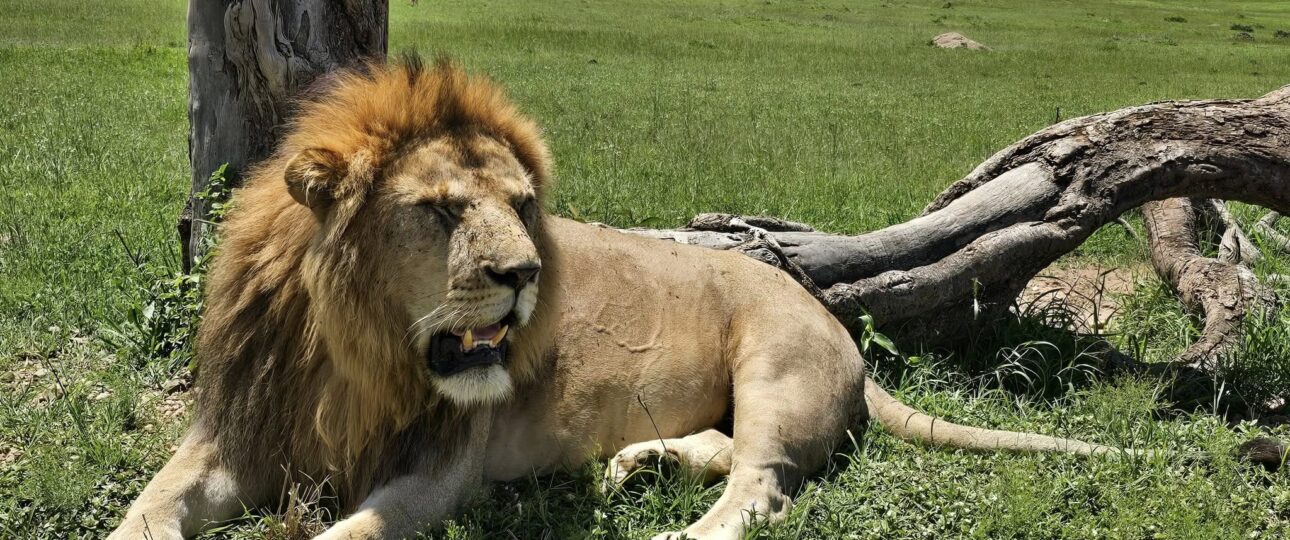
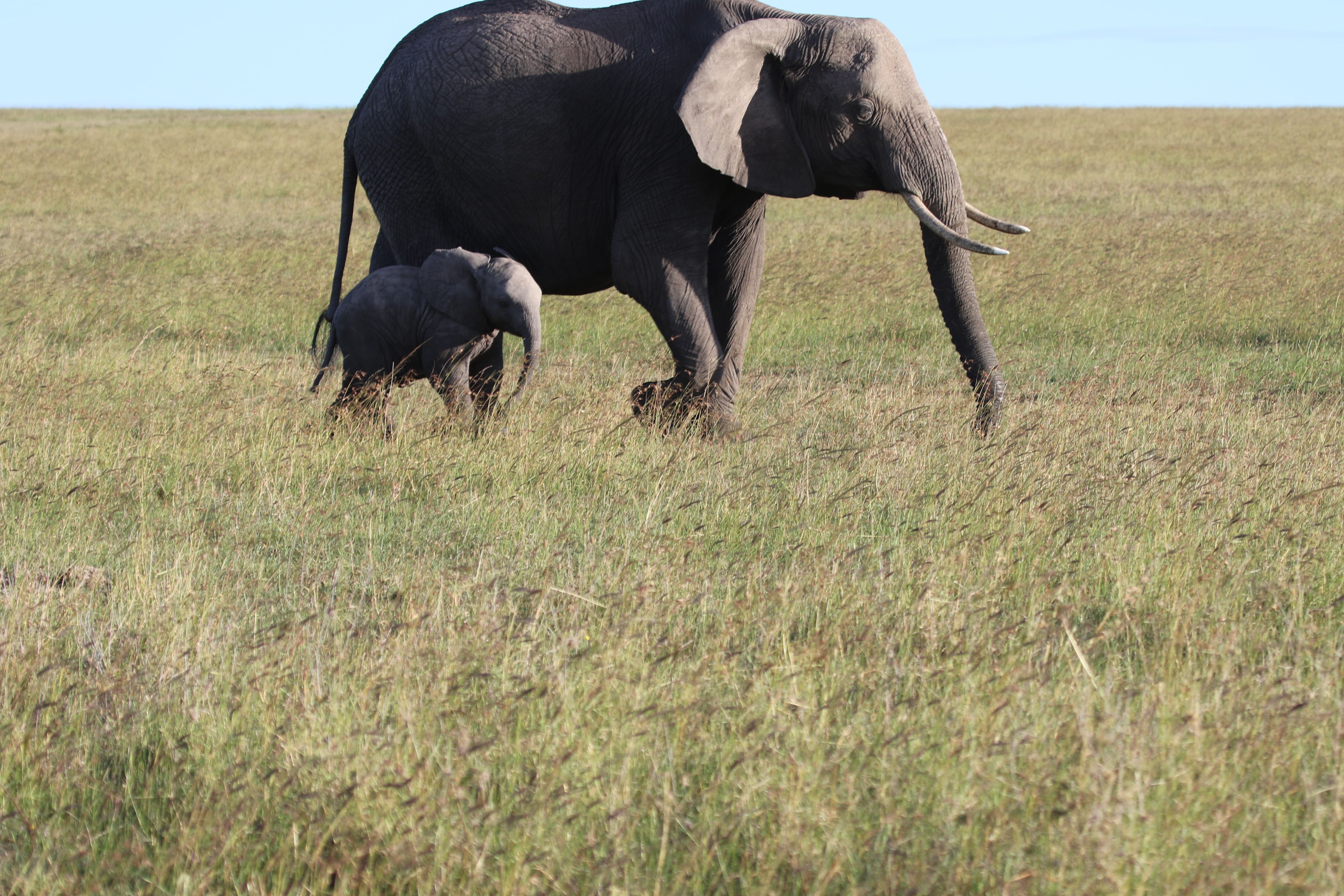
Beyond the migration, the Mara offers exceptional year-round game viewing: resident lion prides, leopards draped in fig trees, cheetahs sprinting across golden grass, and enormous elephant herds.
Every itinerary below visits Masai Mara and can be adjusted around your travel dates, group size and budget. Run directly by our Nairobi-based team — no resellers, no middlemen.
 Best Value
 Honeymoon Pick
 Great Value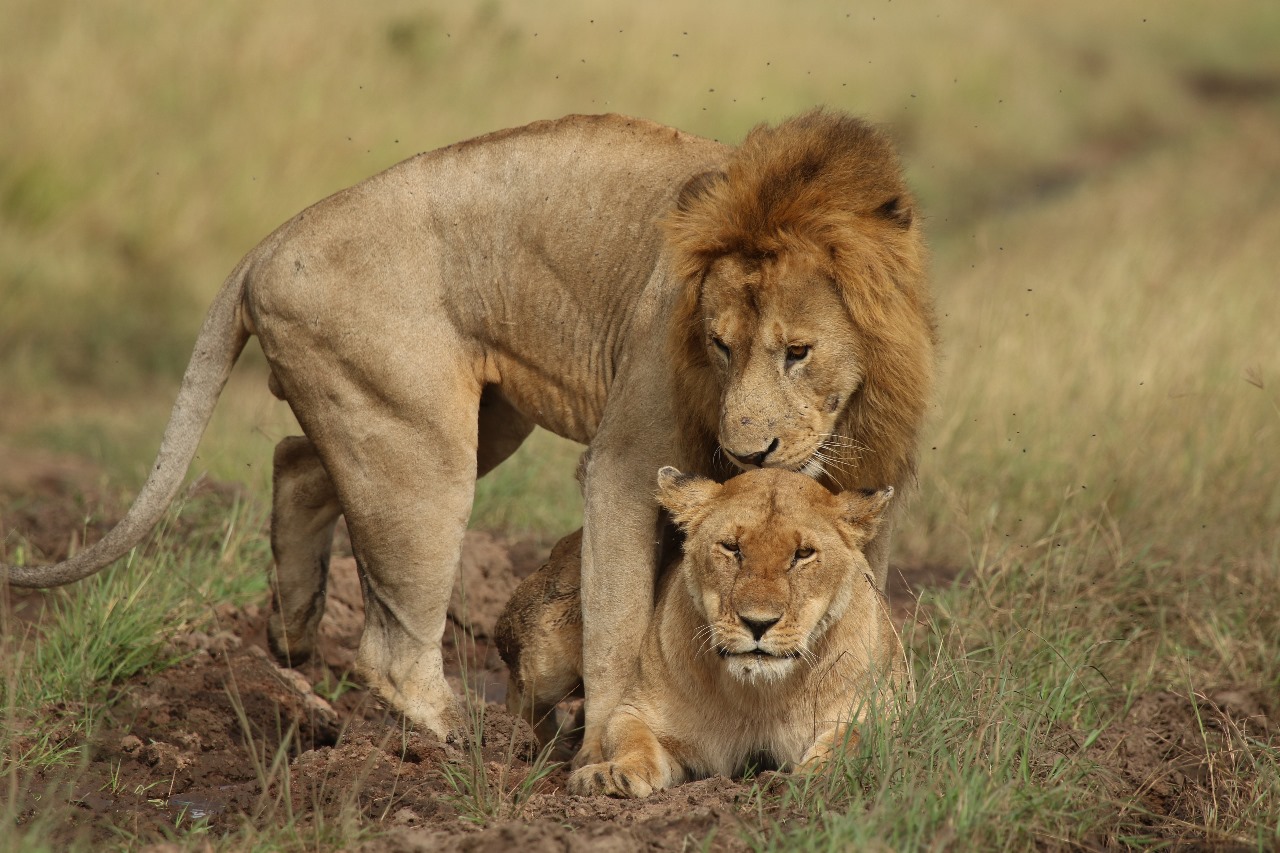
 Luxury
 Luxury
 Best Seller
 Kenya + Tanzania
A rewarding Mara trip starts with the right combination of time, camp location and guiding. A short safari can introduce you to the plains; an extra night gives you room to explore different habitats and enjoy quieter moments between sightings. Kariuki and the PMK team can help you choose between a road safari, a fly-in stay and a wider Kenya itinerary, with the arrangements clearly set out before you book.
The Masai Mara, also written Maasai Mara, lies in southwestern Kenya in Narok County, adjoining Tanzania’s Serengeti ecosystem. Open grassland, wooded riverbanks and rolling hills create different opportunities for wildlife viewing. The Mara and Talek rivers are important landmarks, but the best route for your safari depends on your accommodation and the conditions on the day.
The destination includes the national reserve and neighbouring conservancies. These areas have different access arrangements: booking a room with “Mara” in its name does not automatically place you inside the reserve or grant access to every conservancy. We explain the location of your proposed camp, the gate or airstrip it uses, and how this affects daily drives.
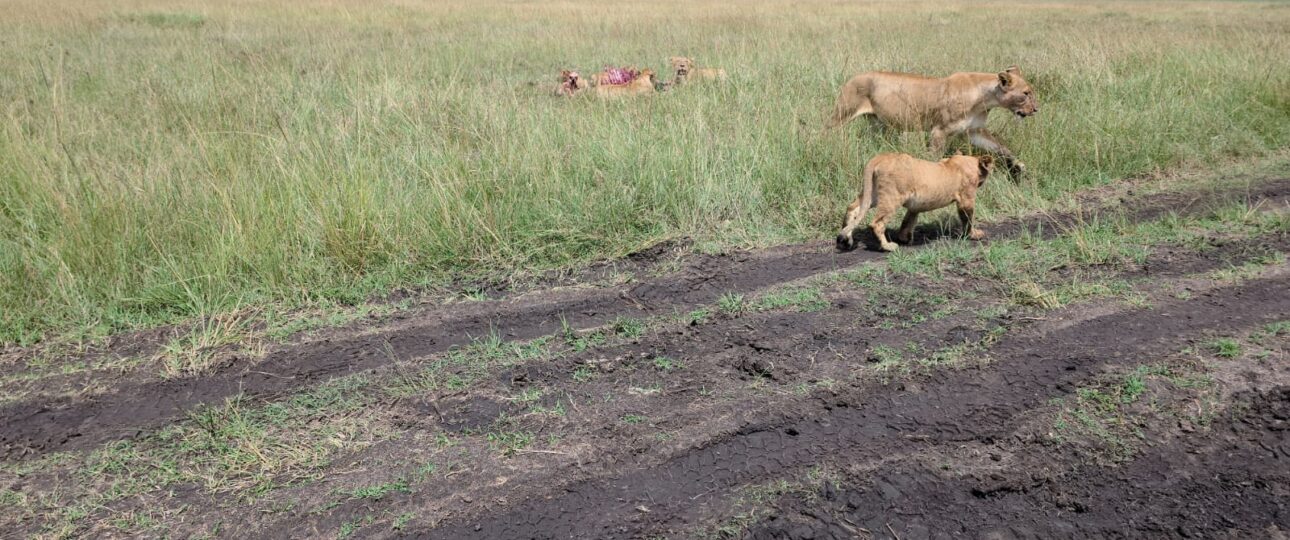
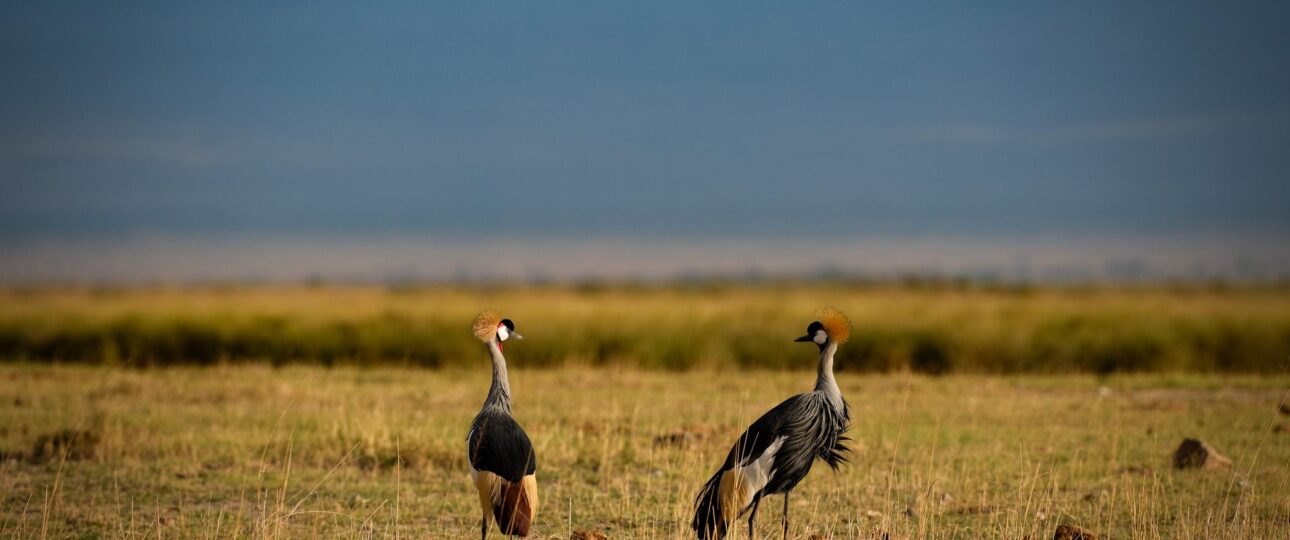
The Big Five—lion, leopard, elephant, buffalo and rhino—occur in the Mara ecosystem, alongside cheetah, hyena, giraffe, zebra and many antelope species. Hippos and crocodiles inhabit river environments. Birdwatchers can look for raptors, rollers, kingfishers and grassland birds while other travellers follow the changing patterns of grazing herds and predators.
Resident animals make the Mara worthwhile outside migration months. Your guide will interpret tracks, habitats and behaviour rather than simply race between radio reports. A leopard may remain hidden, rhinos can be difficult to locate, and a quiet morning can develop into a memorable afternoon. No species, hunt or Big Five checklist is guaranteed.
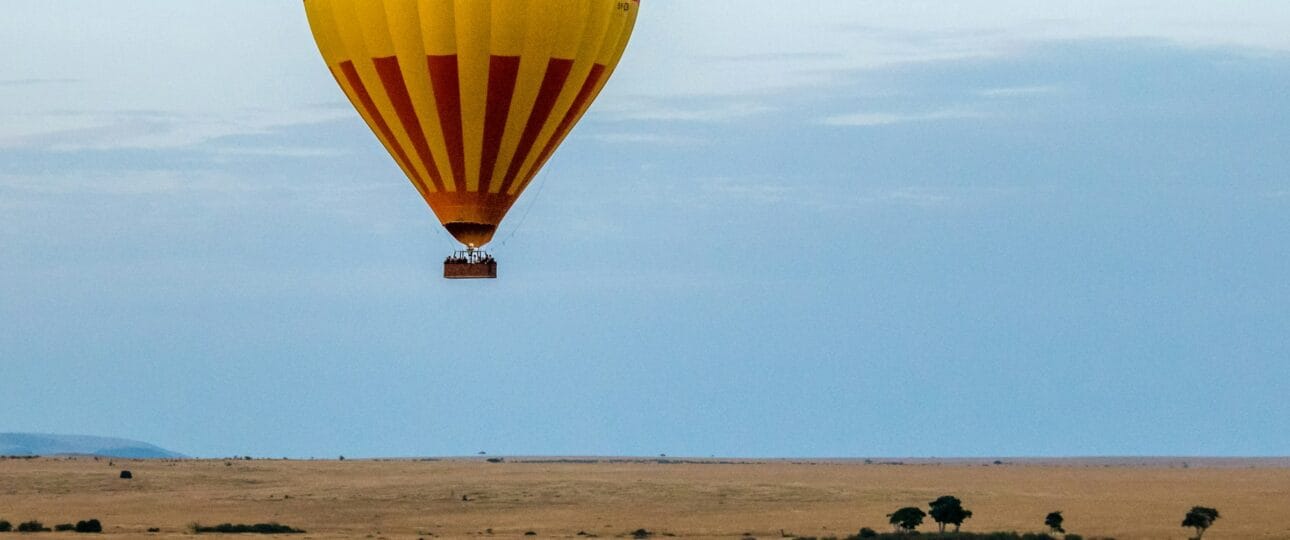
Game drives are the core experience. Optional balloon flights offer another perspective when weather and availability permit. A community visit can introduce you to Maasai life when arranged respectfully, with consent before photography. Guided walks and night drives require a suitable location and authorised provider; ask us to match your accommodation to these interests before booking.
The migration is an ongoing movement through the Mara–Serengeti ecosystem as wildebeest, zebra and other grazers follow water and fresh grazing. July–October is a useful planning window for visiting the Mara, but arrival, distribution and departure vary with rainfall. Herds can move between areas and across the international boundary; a calendar cannot tell us exactly where they will be on your travel dates.
River crossings are only one part of the experience. Herds may gather, graze, retreat or wait for hours without crossing. Several days in the area provide more flexibility, but cannot ensure a crossing. Watching the herds spread across the plains can be just as absorbing as time beside the river.
The widely photographed early-year migration calving concentrations are associated with the southern Serengeti region in Tanzania. January–March in the Mara should be chosen for its own resident wildlife and landscapes, rather than sold as that same calving experience.
Often a useful choice for resident wildlife and drier weather. Conditions vary, and school holidays or popular camps can still bring demand. Ideal if your main interest is the Mara itself rather than following the large Serengeti herds.
The long-rain period can bring green scenery and attractive accommodation offers. Rain may affect tracks and journey times; some camps operate seasonally. Compare access and camp opening dates before choosing solely on price.
Generally popular for safari travel, with July–October a common migration planning window. Demand is particularly strong for well-positioned camps. Reserve early when your dates are fixed, while keeping wildlife expectations flexible.
Short rains can refresh the grasslands, with rewarding resident wildlife and changing skies. Migration herds may already have moved south. Festive dates can be busy and expensive despite being outside the usual migration peak.
These are seasonal planning patterns, not a weather forecast. Tell us whether you prefer migration opportunities, photography, fewer vehicles or a particular budget so we can weigh the trade-offs.
Ask about your travel monthAllow a substantial part of the day for the transfer. As a practical planning estimate, many journeys take around six hours or more, depending on the starting point, gate, camp, traffic, stops and weather. The final stretch to a remote camp can materially extend your arrival time. The Narok–Sekenani approach is tarmacked, while reserve tracks and other approaches can be rough; describing every route as unpaved after Narok would be misleading.
A road safari suits travellers who enjoy seeing the countryside or want to connect the Mara with Lake Naivasha and Lake Nakuru. Discuss long-drive tolerance, children’s needs and vehicle preferences with us. A 4×4 is important for safari terrain. Your quotation should specify the vehicle rather than leave you to infer it from photographs.
Scheduled safari flights usually use Wilson Airport, which is separate from Jomo Kenyatta International Airport. Choose the airstrip that serves your camp and include the onward transfer. Flights may stop at other airstrips, so use the confirmed schedule rather than assuming every service is direct. Leave sensible connection time between international and domestic flights, especially on the day you return.
Small-aircraft luggage allowances are restrictive. Safarilink currently lists a 15 kg total allowance for Mara services, including hand luggage and cameras, with soft bags required. Confirm the allowance for your booked airline and route before packing. Fly-in game drives may be in a camp vehicle shared with other guests unless a private vehicle is arranged.
The reserve is a good starting point for travellers wanting broad access to classic Mara landscapes and seasonal migration areas. Popular sightings can attract multiple vehicles. Accommodation may be inside the boundary or outside a gate, which changes travel time and how each day’s entry is planned.
The Triangle is the western sector of the national reserve, managed by the Mara Conservancy. It is not a separate private conservancy. Its location, access points and management arrangements should be considered when choosing a camp or route. A stay on an escarpment overlooking the Triangle does not necessarily mean the camp is inside it.
Conservancies are based on partnerships involving Maasai landowners and tourism operators. They have their own fees, camp access arrangements and activity rules. Certain camps offer guided walks, night drives and controlled off-road viewing, subject to local permissions. Access is often tied to an eligible camp stay rather than open to every visitor.
A combined stay can give you different experiences, but also adds transfers and potentially separate reserve entry charges. We compare these details against your priorities. Your driver will follow the rules of the area you visit; neither off-road access nor a particular activity should be assumed throughout the ecosystem.
Start with location, then compare comfort and price. Two similarly priced properties can deliver quite different safari days if one involves a long drive to a gate or the area you wish to explore. Tented accommodation ranges from simple camps to spacious suites with private bathrooms; the word “tent” alone does not indicate the comfort level.
For families, tell us children’s ages and sleeping arrangements. For travellers with mobility or dietary needs, we check practical facilities with the property. If you want different parts of the Mara, enough nights are needed to make changing camp worthwhile rather than spending your safari packing and transferring.
The package cards above are starting points from PMK’s existing itineraries. Your final price depends on dates, availability, the number of travellers, room occupancy, accommodation, vehicle arrangements and chargeable reserve visits. Ask for a quote for your exact group rather than multiplying a sample price that may assume two people sharing.
Vehicle and guide costs can be spread across a private group, while rooms and park entry are generally charged per guest. An extra night adds accommodation and potentially another entry charge, but can also reduce the pressure of a short itinerary. Flying adds airfare and airstrip transfers; choosing a less expensive lodge can leave more budget for time in the bush.
Confirm transport and pickup points, professional guiding, accommodation and room category, meals, game-drive arrangements, drinking water, and the exact park or conservancy fees included. Airport transfers, domestic flights and specialist-language guiding should be clearly listed when requested. The written quotation governs your booking.
Check exclusions too: international flights, personal insurance, entry authorisation costs, tips, drinks beyond the meal plan, balloon flights and community visits may require separate payment. We do not import another operator’s headline prices into a PMK quotation. Kariuki and the PMK team will explain options against your budget and priorities.
Request an itemised safari quoteReserve entry is a significant part of the budget. Rates depend on visitor category, age and season; conservancy charges are separate arrangements. Provide children’s ages and residency details when enquiring, and carry the documents required to establish eligibility. A discounted resident category cannot be assumed without accepted proof.
The Mara Conservancy publishes a daytime ticket window of 6 am–6 pm: entering late does not extend that ticket overnight. Its fee guidance also links payment to where you stay and specifies cashless payments in the Triangle. Have your itinerary checked for arrival, departure and reserve visits, particularly if you want a final morning game drive.
Do not assume that two nights of accommodation equal two chargeable reserve days, or that a conservancy stay automatically includes every reserve excursion. We will state the planned fee coverage and any extra charge for changing the programme. Consult the official Mara Conservancy fee schedule; the applicable travel-date rates must be reconfirmed before booking, including for 2027.
A 3-day Masai Mara safari usually balances a journey from Nairobi, a full safari day and the return transfer. It is practical when time is limited, but the first and last days include travel. Discuss whether a final morning drive fits your onward plans and fee allowance.
An additional Mara night can give you another full day, more patience around sightings and a less hurried pace. It is worth considering for photographers or visitors hoping to follow migration herds. We can tailor this option rather than force your plans into a fixed package.
The Naivasha, Nakuru and Masai Mara itinerary combines contrasting landscapes. Check how much time remains in each destination after transfers and confirm optional lake activities in your quote.
A 7-day Kenya safari can combine the Mara with other parks, while a 10-day itinerary offers more scope for variety. More destinations mean more driving; fewer stops with longer stays can suit travellers who prioritise game-drive time. Beach extensions and fly-in combinations can be discussed separately.
Ask about charging facilities, laundry and Wi-Fi at your chosen camp. For current health preparation, consult a qualified travel-health professional before departure. Keep valuables secure and follow your guide’s instructions: remain in the vehicle except at authorised stops, give animals space, avoid feeding wildlife and take litter away.
All five occur in the ecosystem, but finding each depends on animal movements, conditions and time. Even a longer trip cannot guarantee every species. Choose enough time to enjoy the wider experience.
September is within a common migration planning window, but crossing location and timing remain unpredictable. We plan varied drives and patient viewing without promising a crossing.
Not necessarily. A private road itinerary and a fly-in stay can have different vehicle arrangements. Confirm exclusive vehicle use in your quotation; lodge-run drives may otherwise be shared.
Inside accommodation can simplify access to some viewing areas. Outside properties may offer good value, but gate transfers matter. Conservancy camps provide another option with distinct rules and charges. The best fit depends on your budget and interests.
Ask us to include it explicitly. Whether it works depends on fees, the camp location, reserve rules and your flight or road schedule. It should not be assumed from the number of nights booked.
Yes, subject to sensible routing and available time. Compare road transfers and flight options before deciding. We will explain travel days so that the combination supports your safari priorities.
Only when listed in your quotation. Balloon operations depend on weather and availability. Community visits should be arranged respectfully, with any costs and photography expectations clarified beforehand.
Send dates, adults and children’s ages, preferred number of nights, budget, accommodation preferences and your Nairobi arrival or departure details. Mention migration, photography, accessibility or language requirements.
Tell Kariuki and the PMK team what you most want from your safari. We can compare a compact Mara stay with a slower itinerary, explain the effect of camp location, and show you what your quotation includes.
Check availability & request your quotePlanning information checked 6 October 2026. Sources: Kenya Tourism Board, Mara Conservancy migration guidance, road access, park rules, Maasai Mara Wildlife Conservancies Association and Safarilink baggage guidance. Fees, schedules and availability may change.
Tell Kariuki and the PMK team your dates, group size and budget. We will help compare accommodation, transport and time in the reserve, then send a tailored quotation.
Free quote · No commitment · Reply within 24hrs